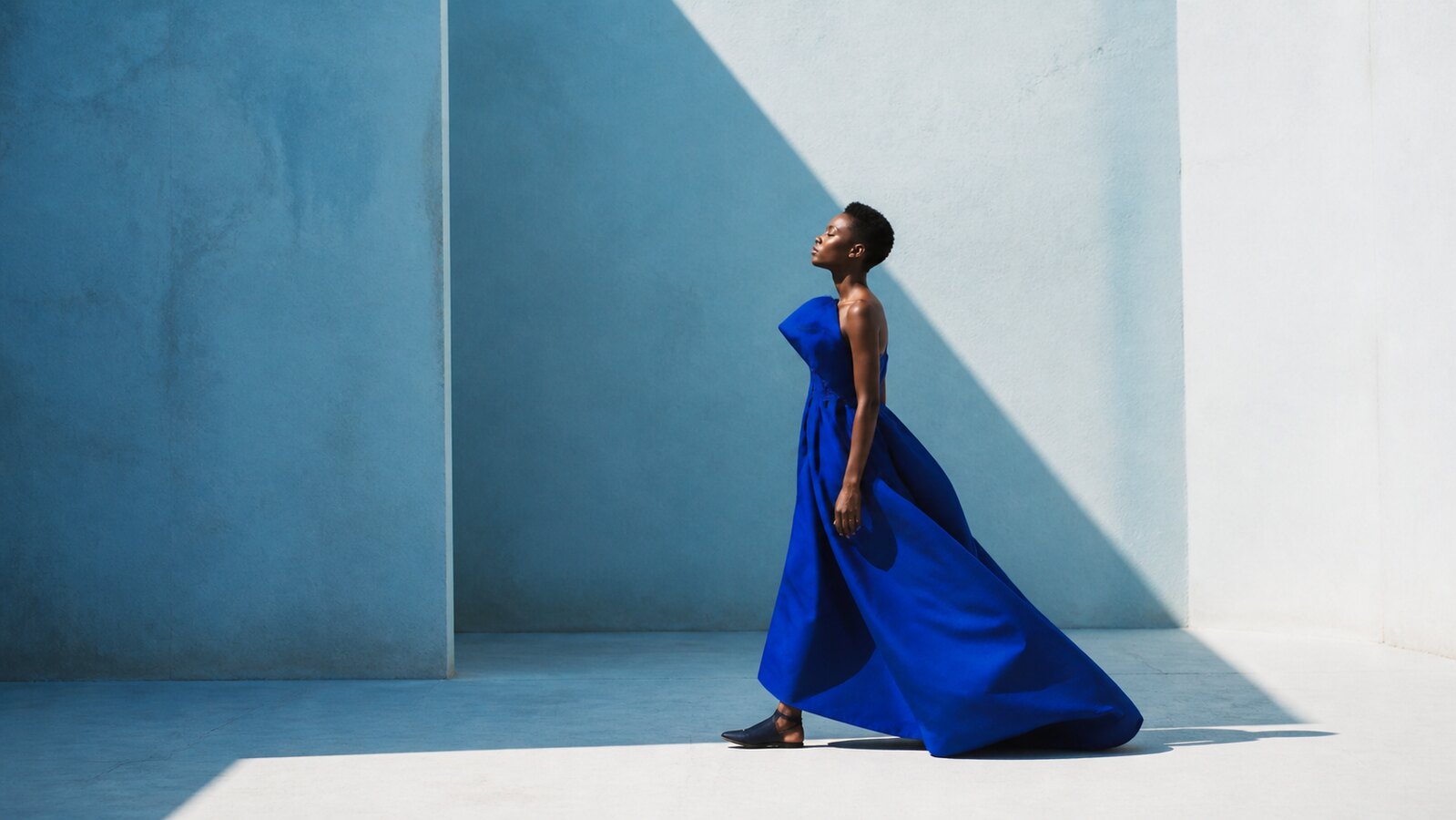
Direct Flash Editorial

Fashion and culture photography lit by a flash on the camera in a real place: a close wide lens, hard highlights, a cut shadow, colour at full volume and a pose that looks caught

Compare Direct Flash Editorial with another style →See the Direct Flash Editorial typefaces →
Record023-DF
AestheticDirect Flash Editorial
ClassExpressive / Light
StatusINGESTING
Direct Flash Editorial aesthetic archive image
Archive plate · Direct Flash Editorial
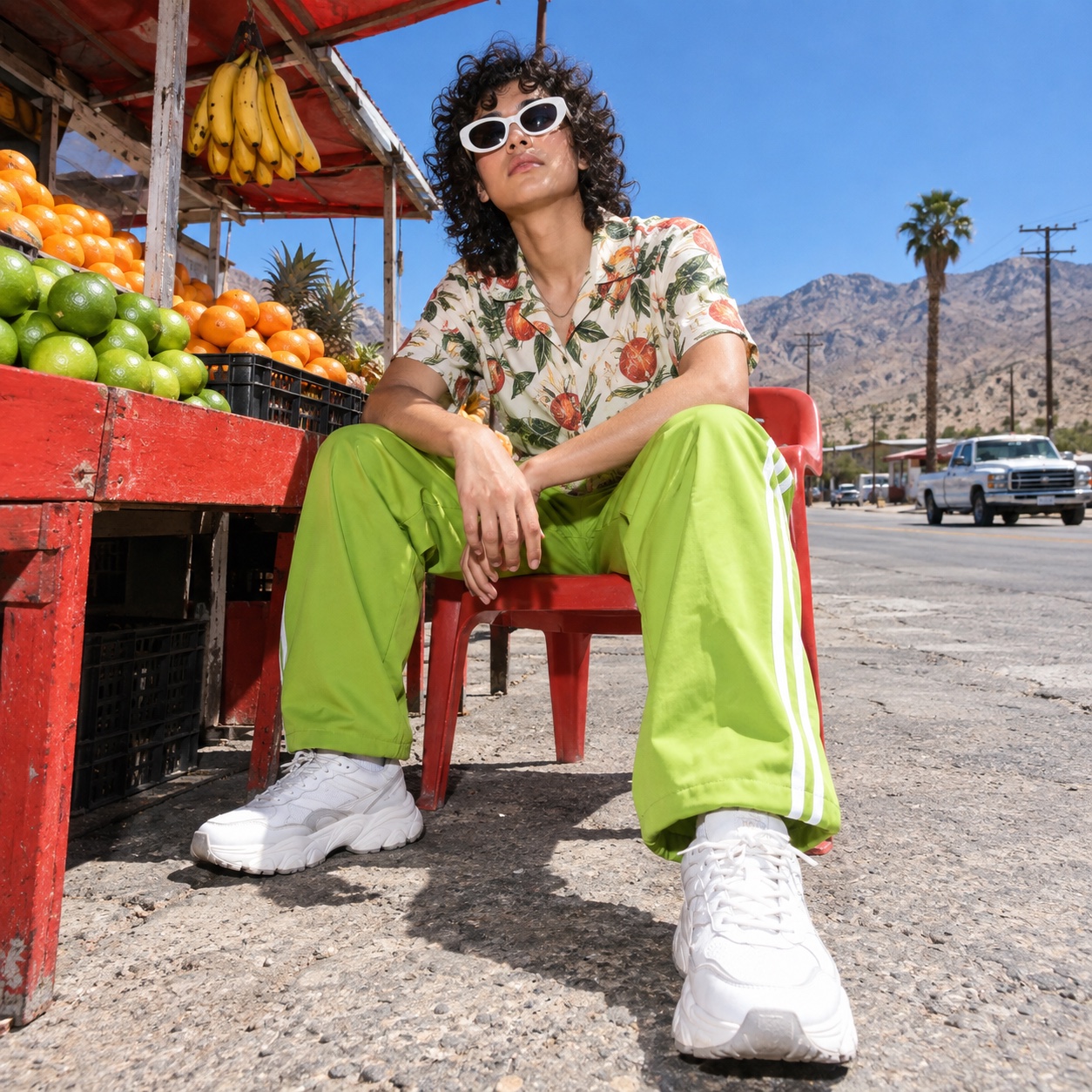
Direct Flash Editorial aesthetic: Fruit stand dossier scene
Dossier sceneFruit stand · 1/4
01
The record

What it is, when it works, who it is for, and where it already exists.

How to use it

Record 023-DF - when it works, who it is for, what it looks like

FIELD 01

When to use it

  • Music campaigns, artist portraits and tour imagery that need to feel like the night itself
  • Streetwear, sneaker and youth culture drops shot in the places the clothes get worn
  • Independent magazine features where the subject and the location carry the story
  • Travel and product stories that want a real street, a real shop and a real sky behind the thing
FIELD 02

Perfect for

  • Record labels, musicians and nightlife brands
  • Streetwear, eyewear and footwear labels
  • Independent fashion and culture magazines
  • Travel, food and drink brands with a place to show
FIELD 03

What it looks like

  • Juergen Teller, Marc Jacobs campaigns, from 1998
  • Martin Parr, The Last Resort, 1986
  • Wolfgang Tillmans, i-D editorials, early 1990s
  • Nan Goldin, The Ballad of Sexual Dependency, 1986

In the wild, Direct Flash Editorial aesthetic real-world examples

Where this aesthetic shows up in the real world · ↗ opens the source site

Omoro Style GuideEvery aesthetic, every field on this page, in one PDF.
Get the guide →
02
The anatomy

Where Direct Flash Editorial came from, what makes it recognisable, and the fingerprint it leaves.

History, Direct Flash Editorial aesthetic history

1990s to present, with roots in 1940s press photography · New York press and party photography, then London and New York fashion magazines

The flash on the camera was a press tool before it was a look. Weegee worked New York at night in the 1930s and 1940s with a Speed Graphic and a bulb flash, and the pictures had the qualities that would later become a style: the subject cut hard out of the dark, a shadow with an edge, a face caught before it had arranged itself. Party and society photographers kept the technique alive through the following decades because it was fast and reliable, and because it flattered no one, which is part of why it read as true. Martin Parr took it into daylight in The Last Resort in 1986, filling harsh British sun with flash so that the colour went loud and every detail of a seaside afternoon was held in focus.

Fashion picked it up in the early 1990s through the independent magazines. i-D, The Face and their imitators wanted pictures that looked like the culture they covered rather than the advertising that paid for them, and photographers like Wolfgang Tillmans and Juergen Teller shot their friends and their models the same way: close, wide, in bedrooms, clubs and streets, with a flash that made the pictures feel found rather than made. Nan Goldin's Ballad of Sexual Dependency had already shown what the snapshot could carry. When Teller began the Marc Jacobs campaigns in 1998 the language moved from the margins to the centre of the industry, and a luxury house was suddenly selling itself with the least luxurious light there is.

The style has returned every decade since because each generation of polished imagery creates the appetite for it. Streetwear drops, music campaigns and independent titles use it now for the same reason the magazines did: it looks caught, the colour is honest, and the location does the work a set would have done. The phone camera has made everyone fluent in the grammar, so the discipline has moved to the choices, what is put close to the lens, what the sky is doing, what the garment does under hard light. It works when there is something worth catching. Pointed at a dull subject in a dull place, it is exactly what it looks like.

A flash on the camera and a real place behind the subject: the fastest way a photograph can look alive.

Omoro dossier · 023-DF

Visual markers, Direct Flash Editorial aesthetic visual markers

The visual DNA: what makes it recognisable

typography

See the fonts
  • A magazine grotesk in the Helvetica and Akzidenz line, set tight and small, one line of caption under the picture
  • Cover lines in the same grotesk at heavy weight, often over the photograph, never softened with a shadow
  • Type kept out of the way of the image; the photograph is the layout

grid

  • Full bleed, the photograph to the edge of the page or screen
  • Low camera height and a wide lens, so the ground and the sky both tilt into the frame
  • The subject close and slightly off centre, the location filling the rest
  • Crops that admit the accident: a cut foot, a flare, a shadow across the wall

materials

  • Flash orange #F5661F, cobalt sky #1D4FC4, acid lime #B9D437
  • Hard shadow #141416 and bleached concrete #E9E3D7 as the grounds
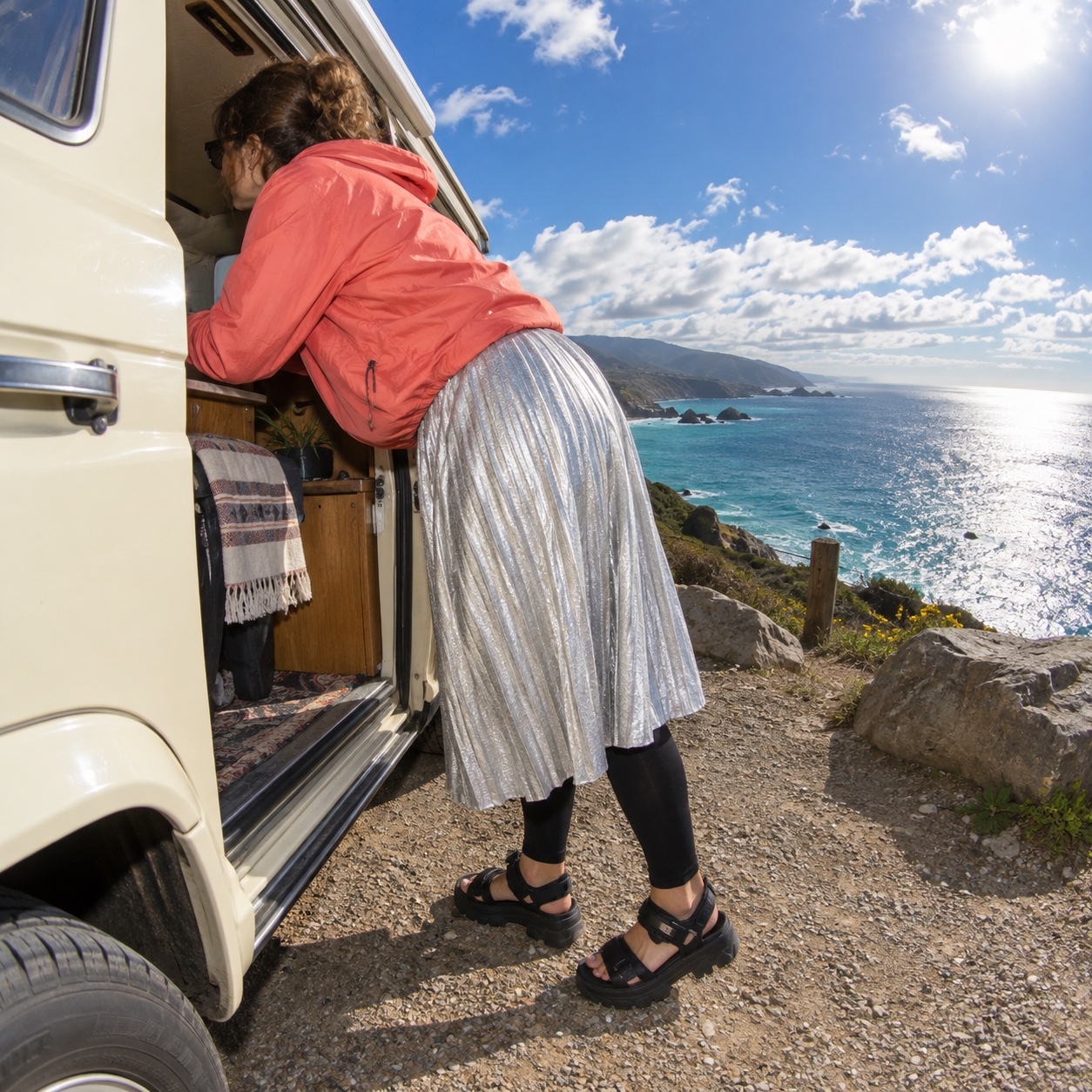
  • Nylon, satin, metallic pleats, chrome and wet tile: surfaces that give the flash something to hit

motifs

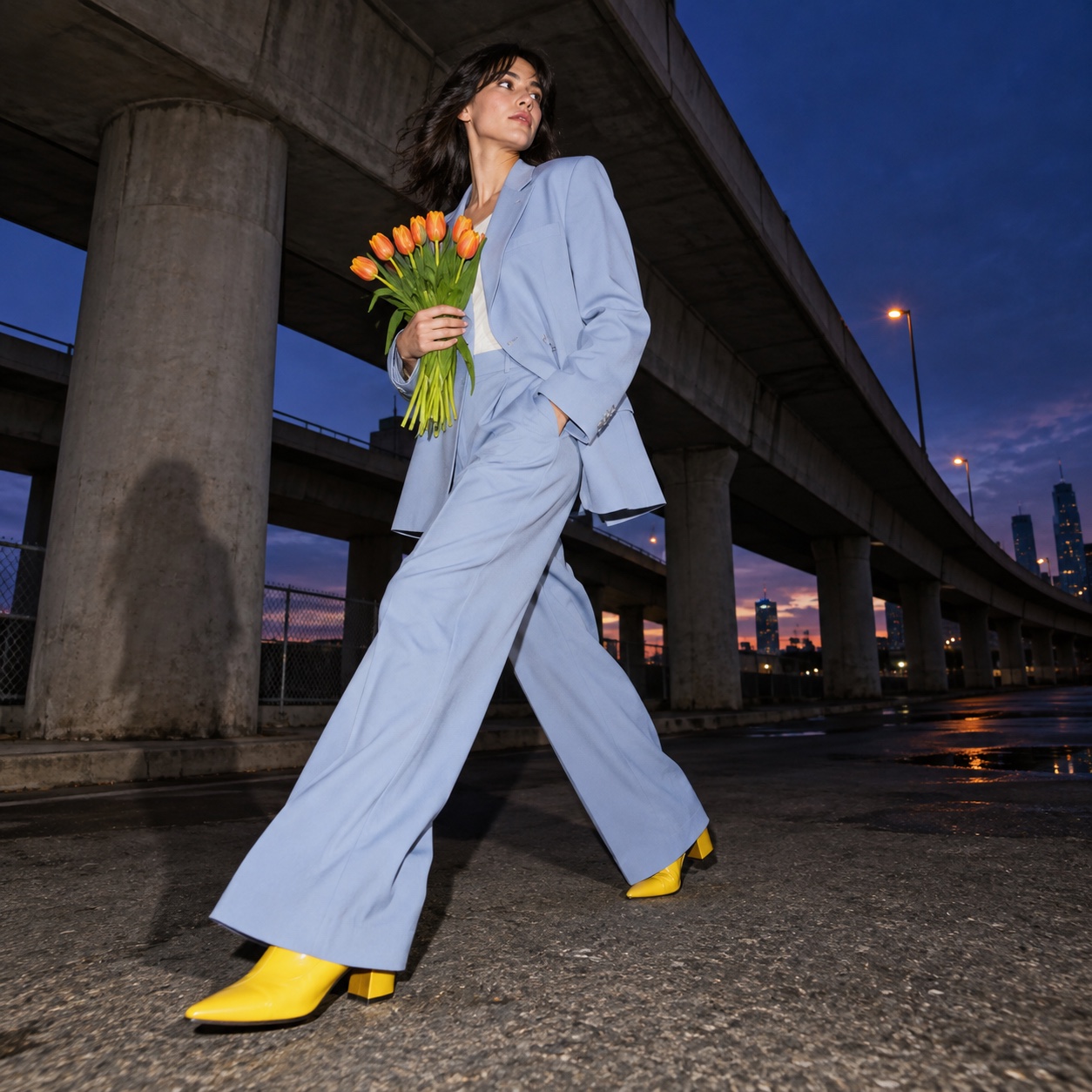
  • The hard-edged shadow thrown behind the subject onto a wall or pillar
  • A deep blue sky held by exposing for it and filling the subject with flash
  • Real places used as they are: rooftops, fruit stands, laundromats, overpasses, car parks
  • The subject looking past the lens, mid-movement, caught rather than posed
  • Reflections of the flash in glass, chrome and wet ground

Aesthetic profile

8-channel console with the fingerprint on its display. Save the card, or share the page

Aesthetic Profile
Direct Flash Editorial
1990s to present, with roots in 1940s press photography · New York press and party photography, then London and New York fashion magazines
Attribute console · 023-DF
leans expressive, light, maximal
8 CH
FIG. 1
MaximalMinimalDigitalAnalogExpressiveRestrainedWarmCoolNostalgicFuturisticChaoticStructuredLightDarkOrganicGeometric
01Minimal
Maximal40%
02Analog
DigitalEVEN
03Restrained
Expressive80%
04Cool
Warm30%
05Futuristic
Nostalgic10%
06Structured
Chaotic40%
07Dark
Light50%
08Organic
Geometric40%
ExpressiveLightMaximal
Omoro · Attribute console · 023-DF
omoro.io/styles/direct-flash-editorial

Color Palettes, Direct Flash Editorial color palettes and hex codes

The definitive color scheme for this aesthetic

Direct Flash Editorial
#F5661F · #1D4FC4 · #B9D437 · #141416 · #E9E3D7
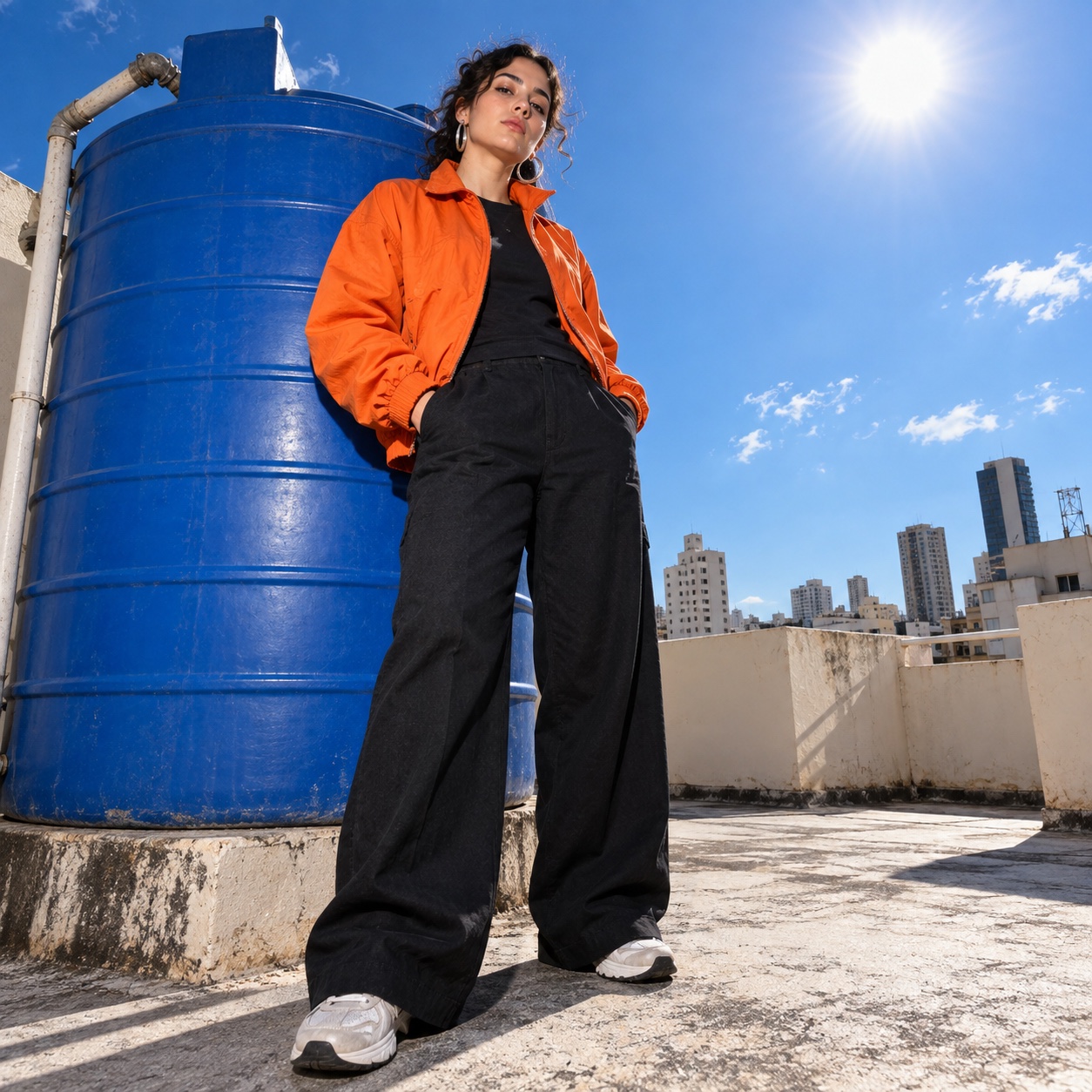
Daylight flash on a rooftop: cobalt sky, one loud garment, and a shadow with a hard edge
Omoro Palette Pack575 curated palettes across every aesthetic, 5 export formats.
Get the palettes →
03
The direction

How to shoot it, how to prompt it, and how to board it.

Photo Direction

How to shoot this aesthetic

"Put the flash on the camera, get close with a wide lens, and let a real place do the rest"

Shot list

  • Low-angle wide shot on a rooftop in full sun, the subject in an orange nylon jacket leaning on a blue water tank, flash cutting a hard highlight on the fabric, the sky held deep cobalt, the city behind
  • Close wide shot at a roadside fruit stand, the subject sitting on a red plastic chair in lime track pants and a printed shirt, flash lifting the crates of oranges and limes, mountains and a pickup truck out of focus behind
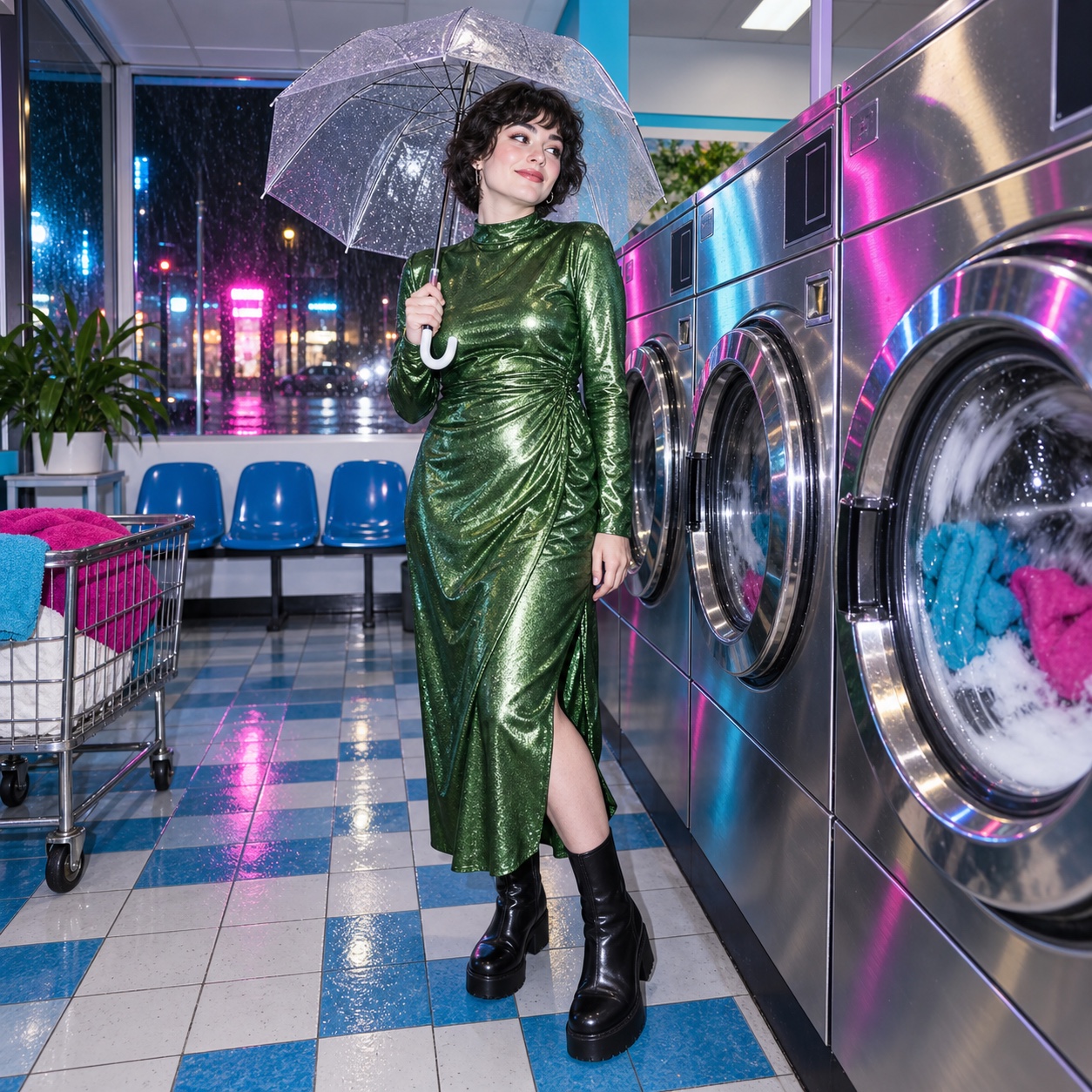
  • Medium shot in a laundromat at night, a metallic green dress and a clear umbrella, flash bouncing off the chrome of the machines, neon and rain in the window, tiles wet

Lighting

One flash on the hot shoe, pointed straight at the subject. In daylight, expose for the sky and let the flash fill the subject so the blue stays deep. At dusk, the same, with the ambient a stop under. No modifiers, no bounce, no reflector. The hard shadow behind the subject is part of the picture.

Omoro Director's Briefs182 photo shot-lists like this one, ready to shoot from.
Get the briefs →

Generative Prompt

Drop this into Studio to generate in this aesthetic

Direct flash editorial photography, on-camera flash in a real location, wide lens close to the subject from a low angle, hard specular highlights and a sharp-edged shadow thrown behind, saturated colour, bright daylight flash under a deep blue sky or dusk flash with the sky held indigo, candid off-guard pose, reflective surfaces catching the flash, slight imperfection kept, fashion and culture magazine energy, not soft beauty lighting, not cinematic low-light grading, not a studio seamless

Paste as-is, or append your own subject

Mood Board

A Pro feature: a board generated from the record

A generated board, with membership

Opening soon

04
The judgement

Whether to use it, what it costs to do properly, and where it stands right now.

Creative verdict, Direct Flash Editorial feasibility and strategic recommendation

Two written calls, seven meters, and when to walk away

Creative verdict
Should Direct Flash Editorial be the call?
7 meters
FIG. 2
Assessment

The flash is the point of view, not a fix for bad light. Get close with a wide lens and let the flash cut the subject out of the scene, hard highlight on the fabric, hard shadow on the wall behind. Shoot in daylight so the sky holds its blue, or at dusk so it goes indigo, and keep the colour loud. A soft box, a reflector or a grade that pulls the blacks down turns it into another style; the imperfections are the proof that it was real.

Verdict

Right when the brand wants to look caught rather than staged and has real people, real places and real colour to catch: music, streetwear, nightlife, travel, an independent title. It is the fastest way to make expensive work look alive and cheap work look intended. It cannot do calm, soft or quiet luxury; the flash announces itself, and the brief has to want that.

Production cost
Low

A camera, one flash on the hot shoe and a real place. The location is the set.

Creative difficulty
Medium

The technique is simple; the eye for where to stand and what to put close to the lens is not.

Execution difficulty
Medium

Flash exposure against daylight or dusk has to be judged on the spot, and the pose has to stay loose while it is.

Risk of misuse
Medium

A flash on a dull subject in a dull place is a snapshot, and the style cannot hide that.

Prevalence
Common

It runs through music, streetwear and independent magazines, and every phone camera at night.

Longevity
Enduring

It has come back every decade since the 1990s because it reads as true, and true does not date.

Brand investment
Low

One photographer, one flash and a day in real locations produce a whole campaign.

Avoid if
The brand sells calm, softness or quiet luxury
The flash announces itself in every frame. It cannot whisper.
Nothing can be placed close to the lens
Distance turns the hard light into a flat one, and the point of view disappears with it.
The pictures will be graded dark and cinematic afterwards
Pulling the blacks down removes the cut shadow and the honest colour that make it this style.
Omoro · Creative verdict · 023-DF

Editorial Depth

A Pro feature: origins, practitioners, and pitfalls

Editorial depth
The Direct Flash Editorial file
14 sections
FIG. 3
Context02Brands02Perception04Use04Index02
01Common MisconceptionThe principle beneath the surface
02Historical ContextOrigins, cultural moment, and reaction
03Brands That Accidentally Use This StyleNatural alignment, not category claims
04Brands That Perfectly Represent This StyleExceptional execution
05Psychological EffectHow visual decisions change perception
06Visual ChecklistInclude and avoid
07Creative FormulaThe visual system reduced to essentials
08Recognition SignalsHow to recognize it in two seconds
09When To Use This StyleContexts where the language performs
10Common Creative MistakesWhere imitation weakens the signal
11Best Brand ApplicationsIndustries with a natural advantage
12Creative Application AnalysisFit, feasibility, and production reality
13Related StylesClose languages and the key distinction
14Visual DNA SummaryThe sentence to remember
The editorial depth, with membershipOpening soon
Omoro · Editorial depth · 023-DF
05
The index

Neighbours, cross-references, blends, and the questions people ask.

Related concepts

Connected across the creative knowledge graph

Cultural relevance, Direct Flash Editorial cultural relevance today

Where it stands now, and what it costs you to use it

Direct flash is the house style of the culture that sits between music, fashion and the street: the tour photograph, the streetwear lookbook, the independent magazine, the nightlife flyer. It signals that the people in the picture were somewhere real and that the photographer was close enough to be part of it. For a brand that trades on that proximity it is the shortest route to credibility.

Its weakness is the same as its strength. Because the technique is available to anyone with a phone, the style can only be carried by the choices around it: colour, styling, location, timing, the thing placed close to the lens. Work that borrows the light without those choices reads as a snapshot, and a snapshot of nothing is nothing.

Cross-references

Editorial PhotographyThe wider discipline this belongs to, with the light chosen for immediacy over polishStreet PhotographyThe unstaged cousin: the same closeness and real places, with nothing cast or styled90s EditorialThe magazines that brought the flash from the party pages into fashionAnalog PhotographyWhere the look was formed, on film with a bulb or a hot-shoe flash

Blend

Mix Direct Flash Editorial with any style in the library

Direct Flash Editorial×
50%50%
74% alike
Direct Flash Editorial referenceEditorial Photography referenceDirect Flash Editorial 50%Editorial Photography 50%

Merged palette

#F5661F

#102C43

#1D4FC4

#315D8A

#B9D437

Leads expressive, maximal, light

Typography · from Direct Flash Editorial

Space Grotesk over Inter

Materials

  • Flash orange #F5661F, cobalt sky #1D4FC4, acid lime #B9D437
  • Hard shadow #141416 and bleached concrete #E9E3D7 as the grounds
  • Seamless paper

The calls this blend forces

These two disagree on one thing, and a blend cannot average them: you pick a side. At this mix:

Chaotic or Structured? Direct Flash Editorial is chaotic, Editorial Photography is structured. This mix lands structured.

Use it

Direct flash editorial photography, on-camera flash in a real location, wide lens close to the subject from a low angle, hard specular highlights and a sharp-edged shadow thrown behind, saturated colour, bright daylight flash under a deep blue sky or dusk flash with the sky held indigo, candid off-guard pose, reflective surfaces catching the flash, slight imperfection kept, fashion and culture magazine energy, not soft beauty lighting, not cinematic low-light grading, not a studio seamless (50%), infused with Editorial photography with a precise visual thesis, intentional art direction, considered styling, sculptural light, controlled color relationships, and a frame that feels authored rather than merely captured, color palette strictly #F5661F #102C43 #1D4FC4 #315D8A #B9D437, leaning chaotic over structured, overall character: expressive, maximal, light

One-click generation opens with the studio

About this aesthetic

What is direct flash photography?

Photography lit by a flash mounted on the camera and pointed straight at the subject, with no diffusion or bounce. It produces a hard highlight, a sharp-edged shadow behind the subject and saturated colour, and it reads as immediate because it looks like the moment was caught rather than arranged.

How do you shoot direct flash in daylight?

Expose for the sky so it holds a deep blue, then let the flash fill the subject. The subject comes forward, the background stays rich, and the shadow the flash throws is kept as part of the picture. At dusk the same method leaves the sky indigo with the last light in it.

How is direct flash editorial different from street photography?

Street photography is found and unstaged; direct flash editorial is styled, cast and placed, then shot as if it were found. The wardrobe, the colour and the location are chosen, and the flash and the candid pose make them look caught.

Build with the direct flash editorial aesthetic

Every style in the library is broken down like this one: the palette, the typography, the materials and the lineage.

Explore the style library →