Authenticity begins where evidence remains visible.
Traces of making create credibility because they are difficult to counterfeit convincingly. Material variation and process cues turn a claim of care into visible proof.
Applying fake wear as decoration. The trace must come from a credible process.

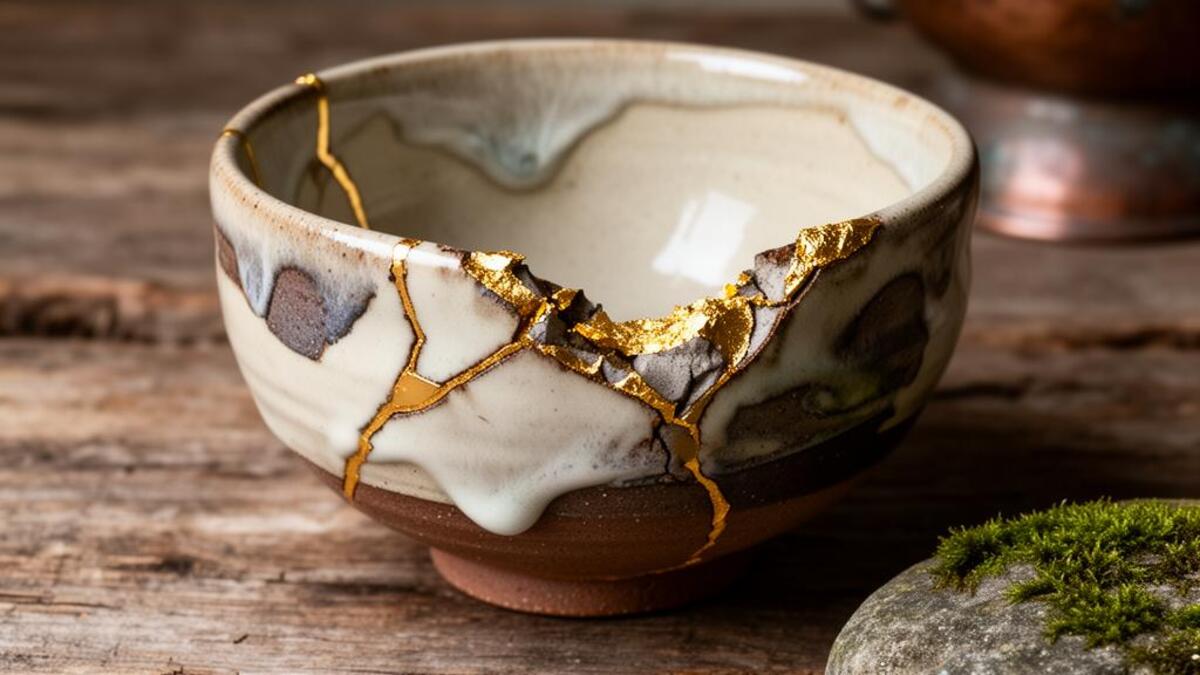


Authenticity is evidence, not an aesthetic overlay. It appears where a process leaves a trace: the pressure of a hand, the grain of a material, a slight irregularity that could not have been selected from a template. These marks signal that someone made a choice and stayed close to the work. The point is not to manufacture imperfection. It is to let the real character of the thing remain visible.
Traces of making create credibility because they are difficult to counterfeit convincingly. Material variation and process cues turn a claim of care into visible proof.
Products with a real origin story
Craft and hospitality
Brands proving care through evidence
Calm · Nostalgia · Rebellion
Innovation & Progress
Applying fake wear as decoration. The trace must come from a credible process.
Authenticity & Craft: practical creative value
Authenticity & Craft is not a demographic shortcut. It is a perceptual register that changes how a viewer reads pace, care, risk, and relevance in a visual system.
The entire point is not manufacturing polish or production value.
Finding the real trace of process, rather than faking it, takes a genuine eye.
Fake distressing is one of the easiest things for a viewer to spot.
Authenticity & Craft creates competitive advantage where experience matters as much as information. It works best when the product, service, or story already contains evidence that can support the feeling. The common failure is to apply the mood as a filter, then leave the structure, casting, copy, and pacing unchanged. Exceptional work uses it as a governing decision rule. It knows what to amplify, what to withhold, and where a small concrete detail can do more than a large stylistic gesture. The teams most likely to succeed are small, observant, and cross-disciplinary: an art director with a strong editor, photographer or filmmaker, stylist or spatial designer, and a client willing to protect the central idea through production.
When authenticity & craft should guide the work
Fake authenticity is one of the easiest things for a viewer to spot, and one of the most damaging when caught.
Widely reached for as trust in polished, manufactured imagery declines.
The appeal of visible process and material honesty isn't tied to a specific design trend.
The entire point is not manufacturing production value.
Authenticity & Craft is worth adopting when a brand, product, or cultural project needs to make a specific experiential promise before it can be explained in words. It is not a substitute for clarity, proof, or a coherent product. The greatest advantage comes from using the mood as a decision rule: it tells the team how to light a scene, pace a film, select a material, edit a sentence, and decide what to leave out. Average work applies familiar cues and stops there. Exceptional work makes every choice support the same perceptual outcome, while retaining enough specificity that the audience can believe it. The biggest mistake is assuming that emotional recognition alone creates strategic value. Use authenticity & craft only when the operation behind the image can honor the experience the image promises.
- Craft-led brands with a real making process
- Food, hospitality, and goods where provenance creates value
- Editorial work that benefits from human proximity
- Sustainable products where material transparency matters
- Brands rebuilding trust through visible proof rather than polish
- Fake distressing that imitates use without showing process
- Handmade signals applied to products with no human story
- Over-romanticizing roughness until it becomes costume
- Hiding poor execution behind the language of imperfection
- Surface texture that does not connect to the material or method