Rebellion only works when the refusal is real.
Rough visual codes carry the energy of the cultures that made them. They signal independence because they refuse the polish, deference, and universal approval expected by mainstream systems.
Borrowing edge as styling. If the brand has nothing to refuse, the work reads as costume.
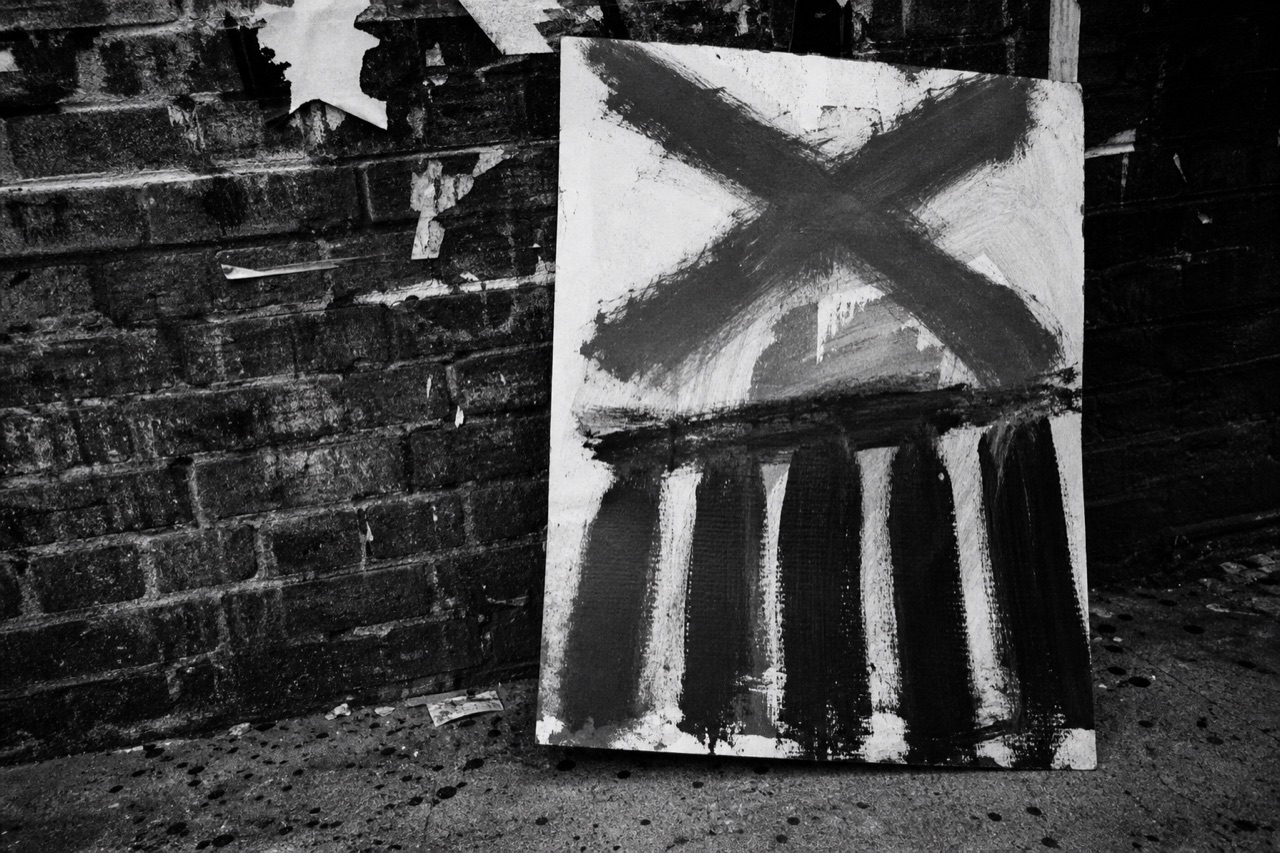
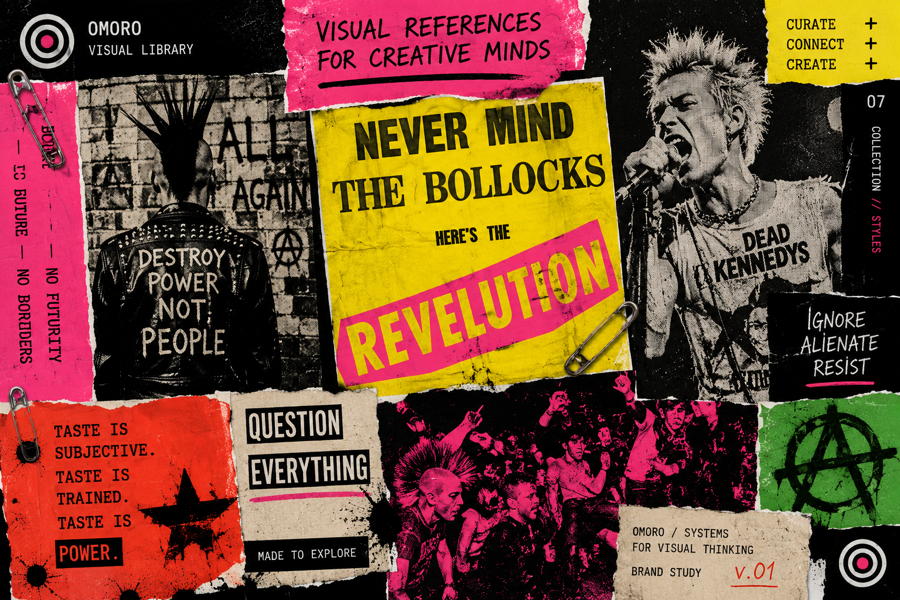
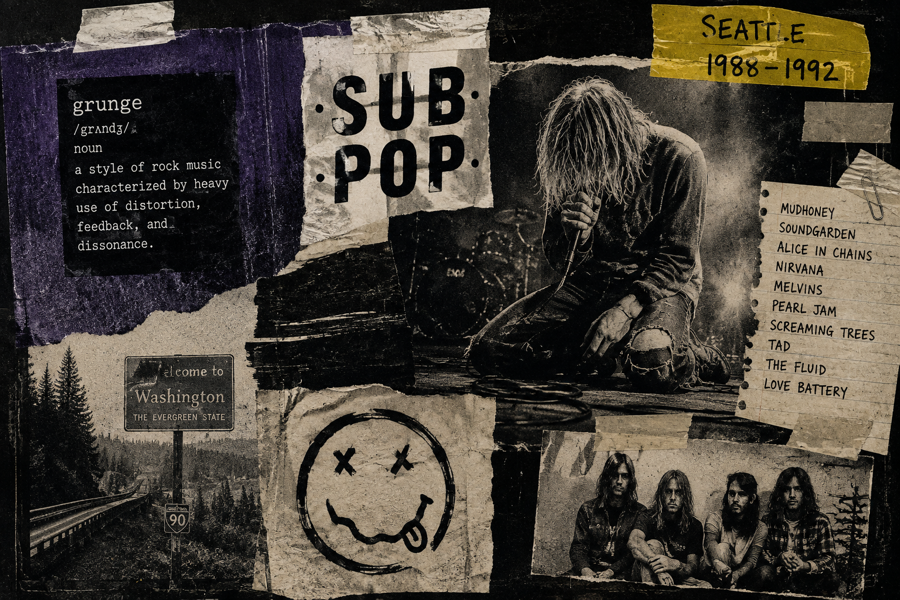
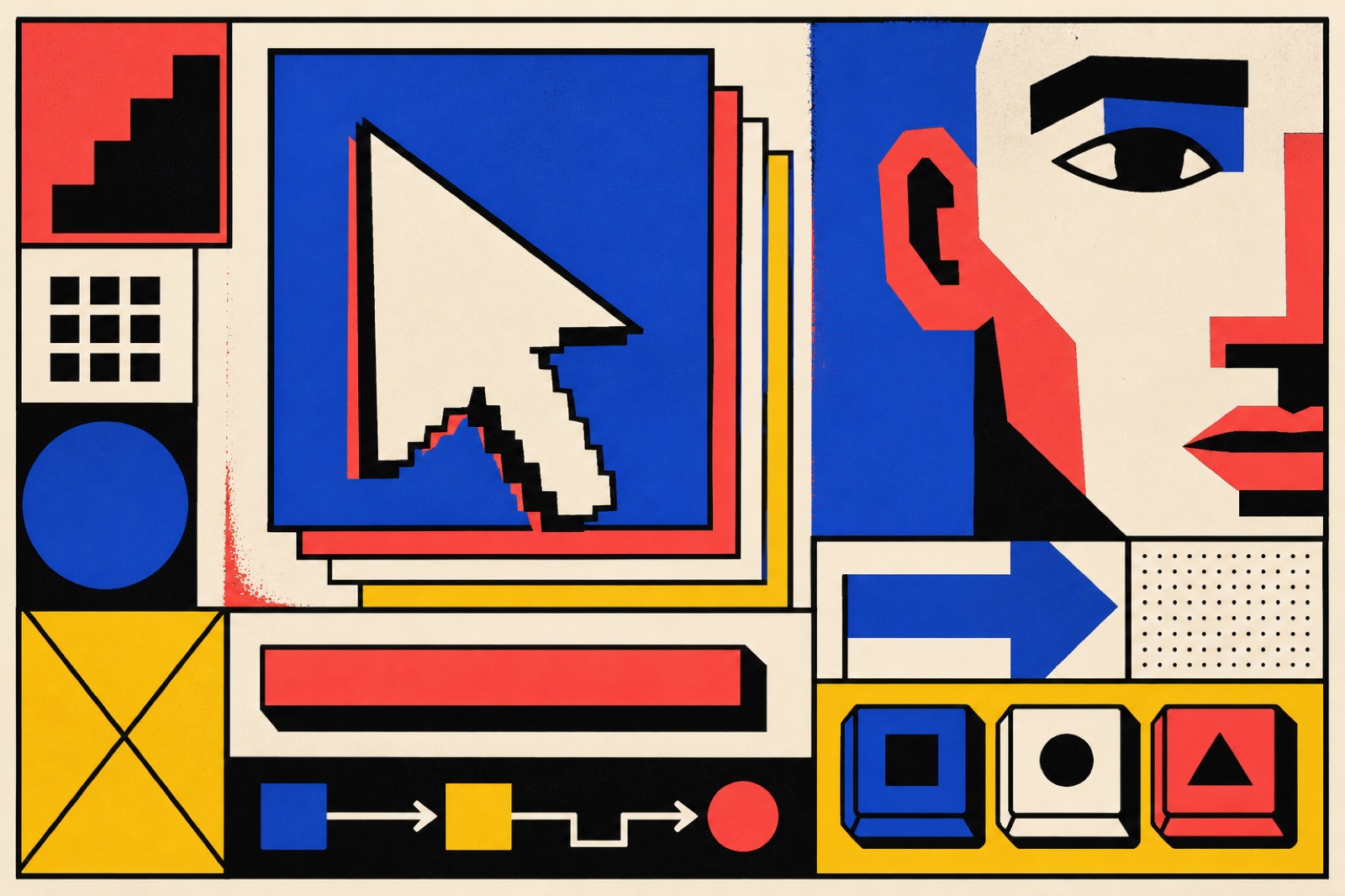
Rebellion has to be earned. Brands that reach for edge without credibility read as ironic at best, dishonest at worst. The visual codes of punk, grunge, and neubrutalism carry weight because they emerged from actual refusal: refusal to be smooth, refusal to be legible, refusal to be liked by everyone. When used authentically, these aesthetics signal independence from mainstream norms. When used as styling, they signal the opposite. The question is not can we use this aesthetic, but have we done anything to earn it.
Rough visual codes carry the energy of the cultures that made them. They signal independence because they refuse the polish, deference, and universal approval expected by mainstream systems.
Challenger brands
Subculture-rooted work
Positions that need real friction
Energy · Authenticity · Mystery
Luxury & Prestige
Borrowing edge as styling. If the brand has nothing to refuse, the work reads as costume.
Rebellion & Edge: practical creative value
Rebellion & Edge is not a demographic shortcut. It is a perceptual register that changes how a viewer reads pace, care, risk, and relevance in a visual system.
Rebellion & Edge gives this context a sharper signal of care and judgment, especially when the work needs to feel authored rather than generic.
Rebellion & Edge gives this context a sharper signal of care and judgment, especially when the work needs to feel authored rather than generic.
Rebellion & Edge gives this context a sharper signal of care and judgment, especially when the work needs to feel authored rather than generic.
They respond to a mood when it gives them a sharper language for making and evaluating choices.
They read cohesion as evidence that the work has been thought through, not assembled by default.
The mood creates a clear expectation of what the product, place, or story will feel like before it is explained.
The investment is usually in control: locations, styling, casting, lighting, and post-production must all support the same register.
A mood needs a real point of view. Generic visual shorthand weakens it because audiences recognize a feeling that has not been earned.
Once the direction is clear, execution depends on disciplined choices in color, composition, pacing, and material detail.
Rebellion & Edge creates competitive advantage where experience matters as much as information. It works best when the product, service, or story already contains evidence that can support the feeling. The common failure is to apply the mood as a filter, then leave the structure, casting, copy, and pacing unchanged. Exceptional work uses it as a governing decision rule. It knows what to amplify, what to withhold, and where a small concrete detail can do more than a large stylistic gesture. The teams most likely to succeed are small, observant, and cross-disciplinary: an art director with a strong editor, photographer or filmmaker, stylist or spatial designer, and a client willing to protect the central idea through production.
When rebellion & edge should guide the work
A mood is often mistaken for a filter. Repeated shorthand or generic references create a feeling without the evidence that makes it convincing.
Mood-led work is widespread, but the specific visual logic of a well-art-directed register remains distinctive when it is consistently observed.
Human perception responds to pace, contrast, material, and narrative suggestion across periods. The execution changes, while the underlying principles remain useful.
The commitment lies in continuity across image-making, writing, casting, movement, and environments, rather than in a single expensive visual asset.
Rebellion & Edge is worth adopting when a brand, product, or cultural project needs to make a specific experiential promise before it can be explained in words. It is not a substitute for clarity, proof, or a coherent product. The greatest advantage comes from using the mood as a decision rule: it tells the team how to light a scene, pace a film, select a material, edit a sentence, and decide what to leave out. Average work applies familiar cues and stops there. Exceptional work makes every choice support the same perceptual outcome, while retaining enough specificity that the audience can believe it. The biggest mistake is assuming that emotional recognition alone creates strategic value. Use rebellion & edge only when the operation behind the image can honor the experience the image promises.
- Youth-focused brand launches that need to signal genuine independence
- Streetwear and alternative fashion with authentic subculture roots
- Alternative and independent music across all genres
- Activist and social justice campaigns where confrontation is the point
- Challenger brand positioning against an established dominant player
- Anything that needs to visually reject corporate-safe norms
- Skate, surf, and action sport culture where anti-polish is the credibility signal
- Polished rebellion, luxury brands using punk codes reads as appropriation
- Rebellion as styling without any actual brand position to back it up
- Safe transgression: edgy enough to look interesting, safe enough to offend no one
- Using rough aesthetics on products where users need to trust the execution
- Overly designed roughness that is clearly art-directed and not raw