When to use it
- Brand storytelling that needs wonder without fantasy cliches
- Editorial photography with a conceptual twist
- Album art and book covers that sit between real and strange
- Campaigns that want viewers to look twice
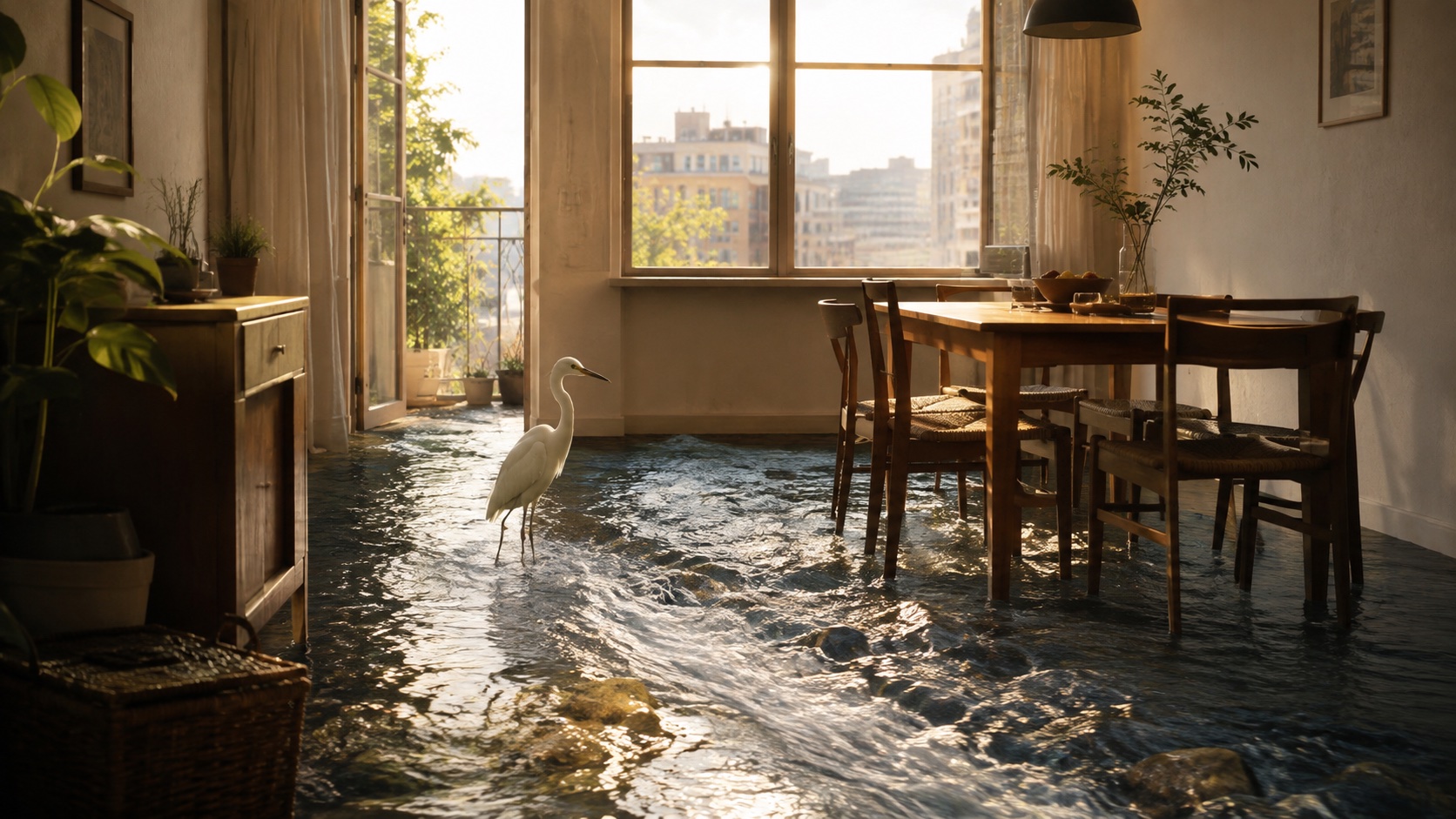
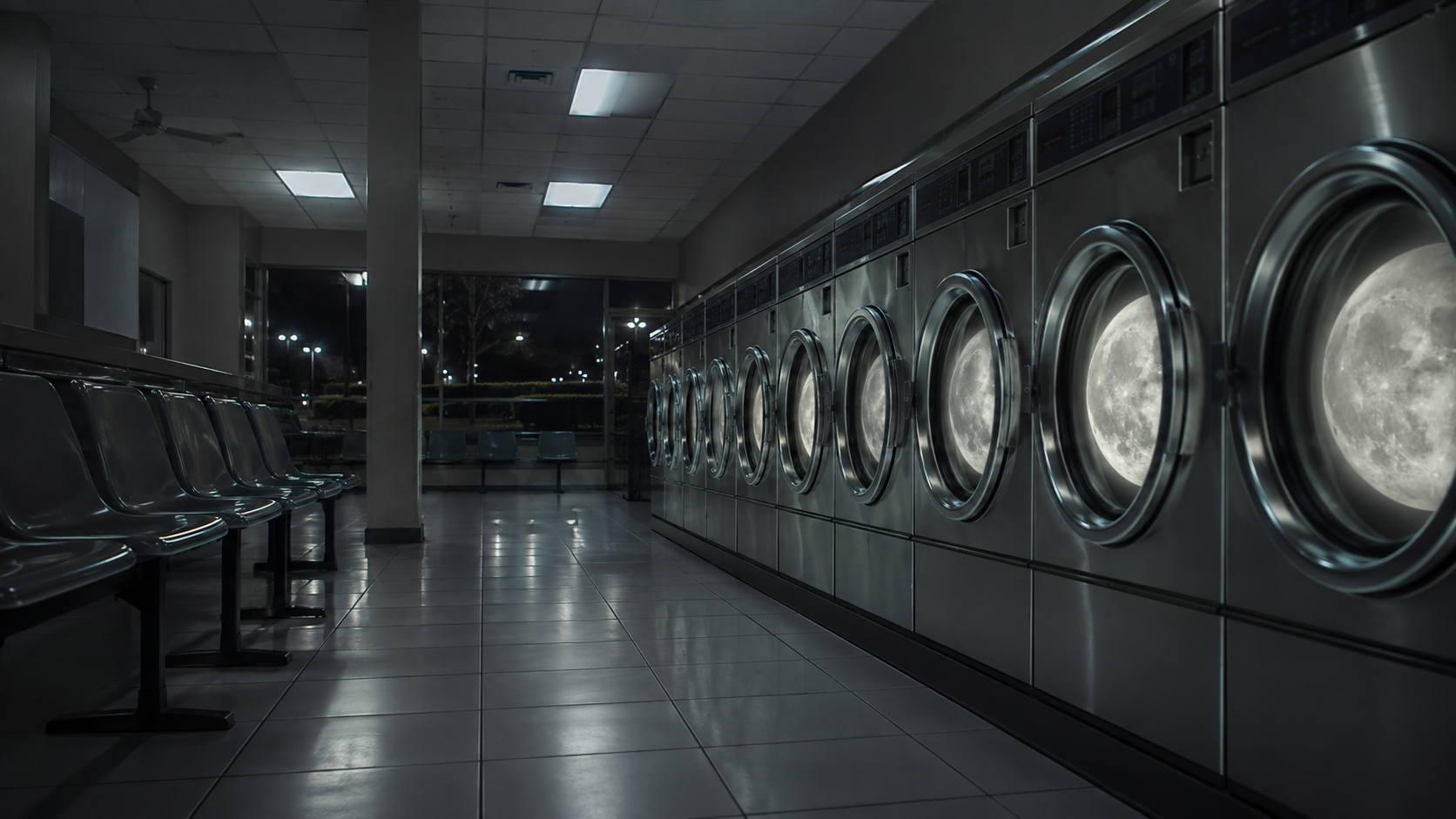
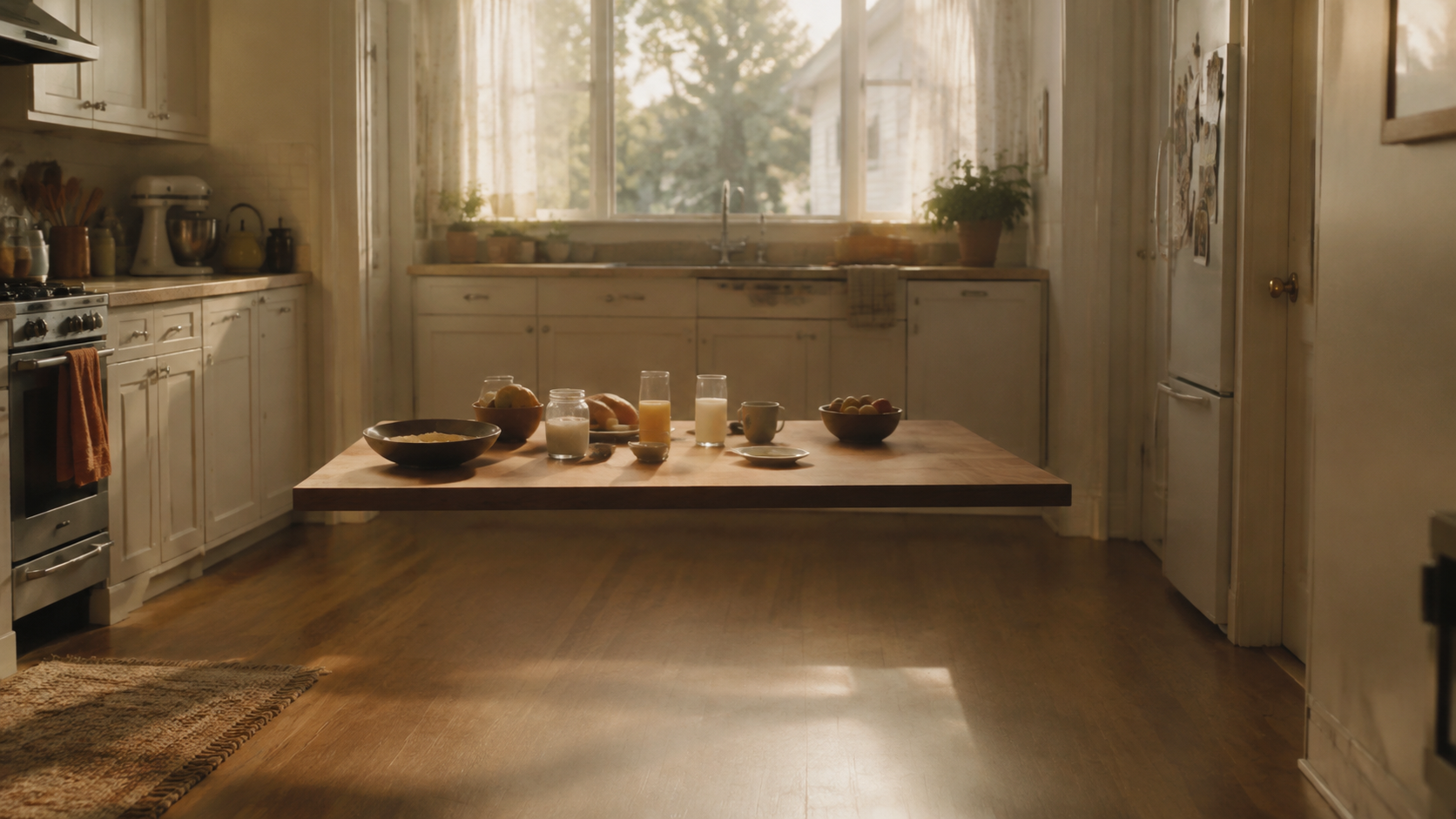
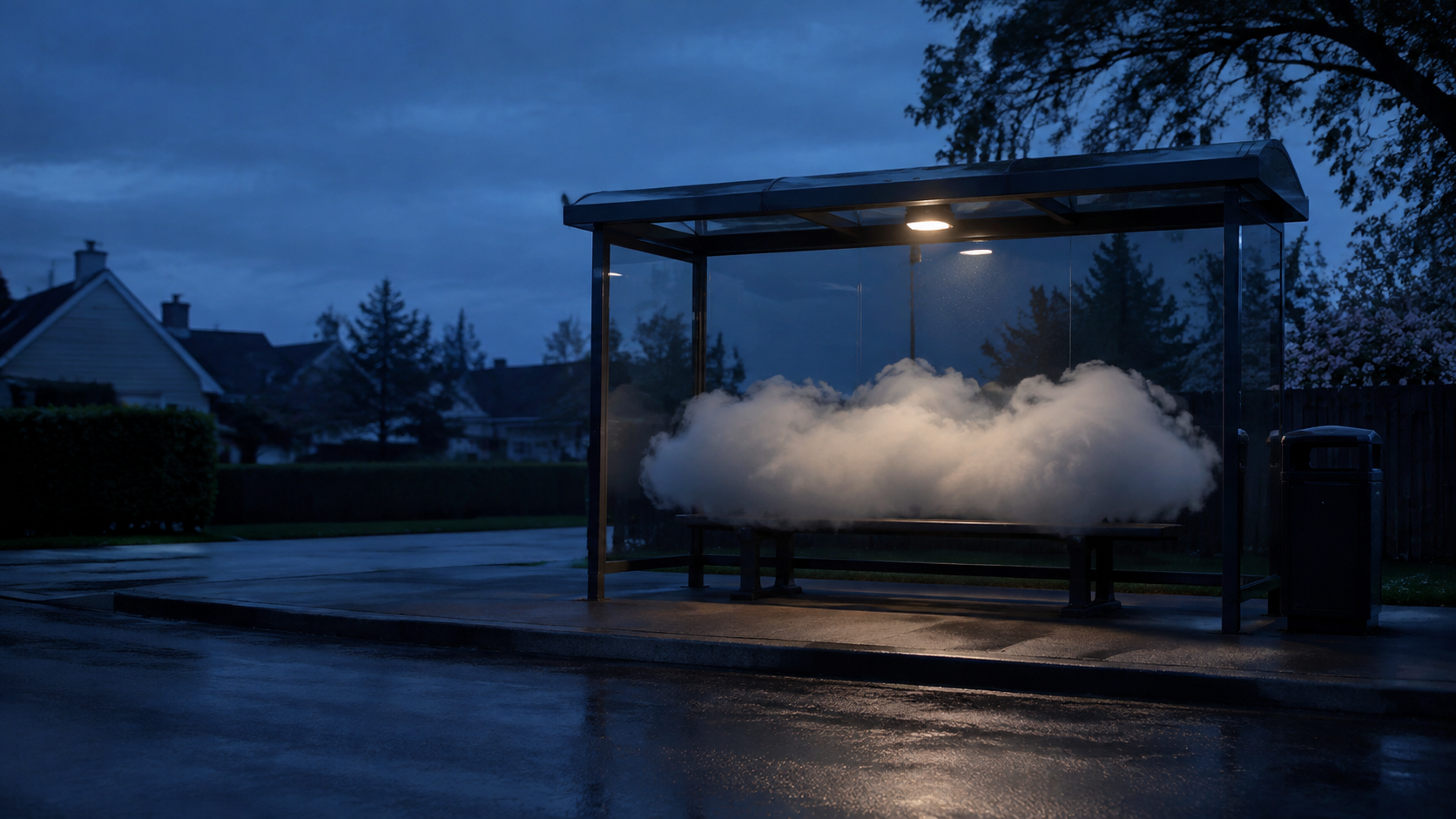
Everyday scenes with one quietly impossible element, where photography meets a gentle surrealism that never explains itself
Record 032-MR - when it works, who it is for, what it looks like
1940s-present · Latin America, later global
Magical realism emerged as a literary mode in mid-twentieth-century Latin America, though the term was coined earlier by German art critic Franz Roh in 1925 to describe post-expressionist painting. The Latin American writers made it their own. Jorge Luis Borges built labyrinths where infinity fit inside a library. Gabriel Garcia Marquez filled Macondo with levitating priests, rains of yellow flowers and a plague of insomnia that erased collective memory. The effect depended on the narrator treating every impossible event with the same flat, reportorial tone used for the plausible ones.
The visual translation of magical realism keeps that tonal discipline. A photograph or illustration renders its setting with documentary fidelity, accurate light, correct scale, unremarkable framing, then introduces a single rupture: a figure floating above a kitchen table, flowers growing from a crack in a concrete wall at impossible speed, a whale suspended in a living room. The power comes from the restraint around the impossible element, not from the element itself. When the surrounding world looks trustworthy, the intrusion lands harder.
Contemporary designers and photographers draw on the mode without always naming it. Surrealism gets credited for work that is closer to magical realism in method, because surrealism destabilises the whole frame while magical realism destabilises only one detail. The distinction matters: surrealism dreams, magical realism reports a world that happens to contain one thing that should not be there.
The visual DNA: what makes it recognisable
The definitive color scheme for this aesthetic
How to shoot this aesthetic
"The world exactly as it is, except for the one thing that cannot possibly be there"
Shot list
Lighting
Natural, documentary-grade light for every real element in the scene. The impossible element carries its own illumination: slightly warmer, slightly softer, as though it arrived from a gentler physics. The contrast between the two light sources is what sells the rupture.
Drop this into Studio to generate in this aesthetic
Photographic fidelity with a single impossible rupture, documentary naturalism broken by one quiet surreal element, warm domestic light meeting unexplained luminescence, Latin American literary tradition translated into image, the mundane and the miraculous sharing the frame without hierarchy
Join waitlist for access
Join the waitlist for full access
Join the waitlistMagical Realism is most effective when its visual decisions do useful work. Everyday scenes with one quietly impossible element, where photography meets a gentle surrealism that never explains itself
Budget goes into art direction and casting, not the toolkit.
Anyone can spot the references. A real system out of them is the hard part.
One wrong prop or one off color reads as costume instead of conviction.
Magical Realism earns its keep when it gives a brand a standard of judgment, not just a finish. It falls apart the moment recognizable cues get collected without a point of view behind them. The tell is always proportion: what's shown, what's held back, and whether every choice belongs to the same world.
The surface is easy to copy. What separates the real thing from a knockoff is the system underneath.
The ingredients are everywhere right now. A disciplined execution is still the minority.
This holds up because it's built on composition and material, not a filter that ages out.
It only works if every touchpoint agrees. Cut a corner anywhere and the whole thing shows it.
Use Magical Realism when the brand can back a real point of view and protect it through execution. Not when the goal is broad, neutral, or cheap to produce. The advantage is differentiation through judgment: the work reads as authored, not packaged. Average executions borrow the signals and lose the coherence. The best ones treat the visual language as a system of choices, including what they leave out.
Join waitlist for access
Join the waitlist for editorial depth
Join the waitlistConnected across the creative knowledge graph
Where it stands now, and what it costs you to use it
Magical realism is frequently misapplied as a synonym for surrealism or fantasy, but the mode is structurally different. It requires the artist to earn the mundane first. The impossible element only works when everything around it is credible, which means the majority of the labour goes into observation, not invention.
In design and advertising, the approach is effective precisely because it does not ask the viewer to enter a fantasy world. The setting is familiar, the lighting is natural, the scale is correct, and then one detail breaks the rules. That single rupture carries more weight than a fully fantastical composition, because the viewer's trust was established before it was disrupted.
Magical realism presents an otherwise faithful, documentary-quality scene with a single impossible element treated as though it belongs. The effect depends on restraint: the surrounding world must be credible for the rupture to register.
Surrealism destabilises the entire frame, combining disparate elements in dreamlike compositions. Magical realism keeps the frame stable and introduces only one impossibility, rendered in the same matter-of-fact tone as everything else. The narrator does not acknowledge the strangeness.
In literature, Gabriel Garcia Marquez, Jorge Luis Borges, Isabel Allende and Toni Morrison. In visual art, the tradition runs from Franz Roh's post-expressionists through photographers like Gregory Crewdson and contemporary illustrators who place single impossible elements inside observed environments.
Omoro turns aesthetic references into on-brand visuals. Generate, compose and publish from one studio.
Join the waitlist