Where Streetwear came from, what makes it recognisable, and the fingerprint it leaves.
History, Streetwear aesthetic history
1980s to now · Southern California surf, New York skate and hip-hop, and Tokyo's Harajuku
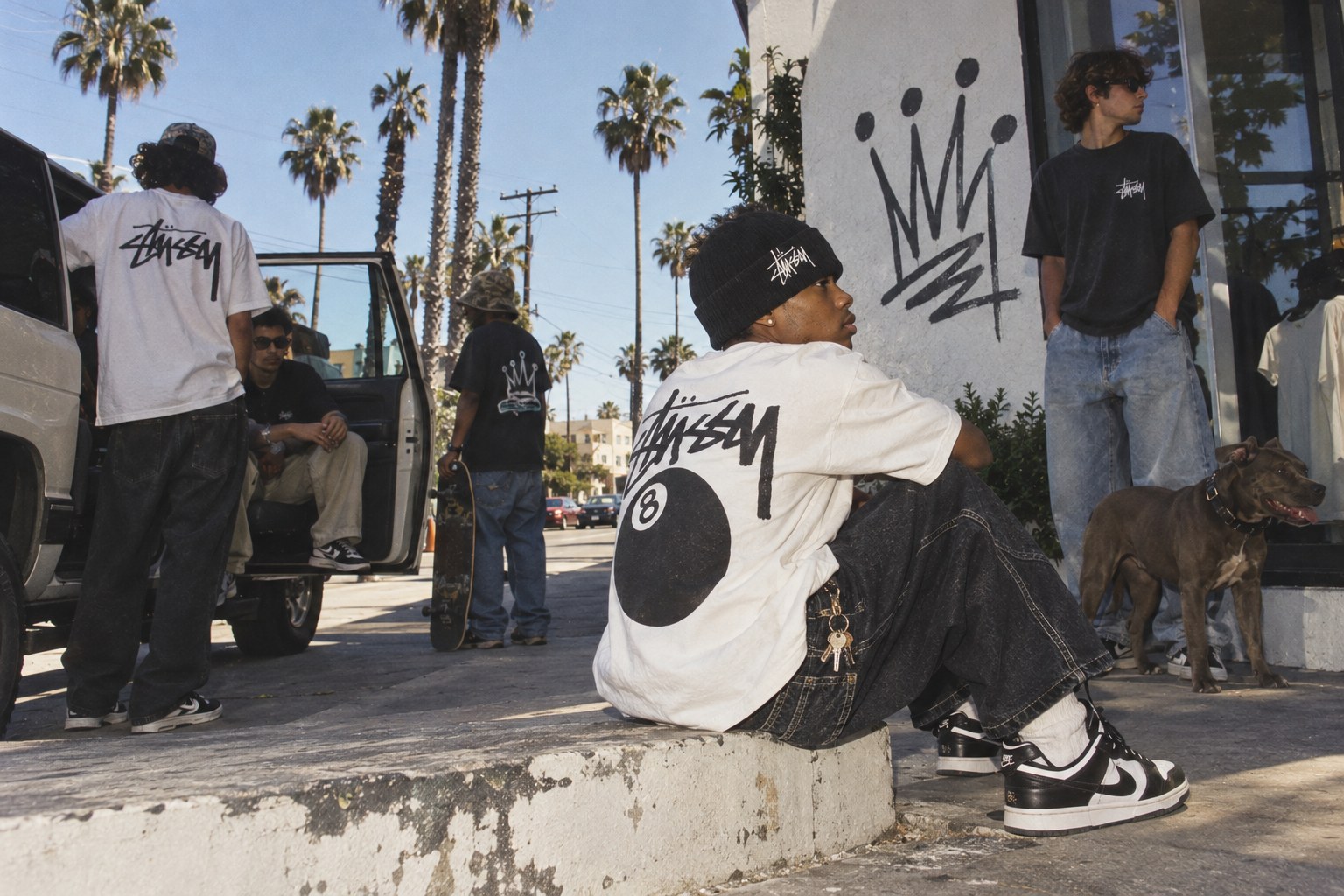
Streetwear starts with a signature.In the early 1980s Shawn Stüssy, a surfboard shaper in Southern California, began printing the scrawled name he signed on his boards onto T-shirts, and the shirts travelled further than the boards.The model he found, a small label, a strong graphic, a loyal scene and limited supply, is still the model.
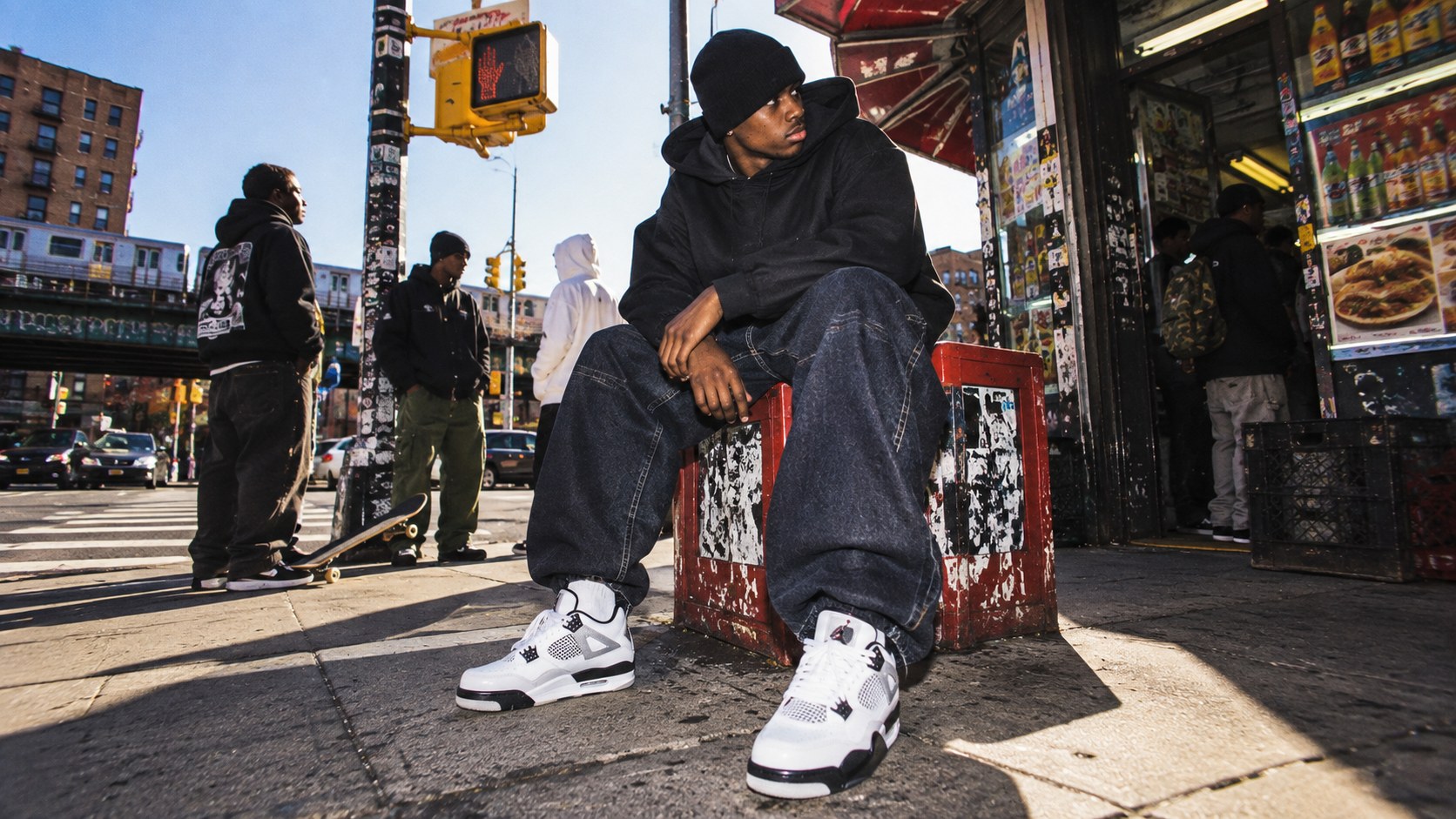
Through the 1980s and 1990s the look was built by the cultures that wore it.Hip-hop made sneakers, tracksuits and logos into statements of status; skaters wore what survived a fall and made their shops into meeting places.In 1994 James Jebbia, who had worked with Stüssy, opened Supreme on Lafayette Street in New York as a skate shop, and its small runs, strong graphics and weekly drops turned queuing into part of the culture.In Tokyo, Harajuku labels made the same ideas collectable.
By the 2010s streetwear had reached the museum and the luxury house.The Brooklyn Museum's The Rise of Sneaker Culture in 2015 treated the sneaker as design history; Supreme and Louis Vuitton collaborated in 2017; and in 2018 Louis Vuitton named Virgil Abloh, a designer who came up through streetwear, artistic director of menswear, the first African American to hold the role.Today the drop, the collaboration and the community are how much of fashion works.
“
Clothing from the street that ended up running the runway.
Drop this into Studio to generate in this aesthetic
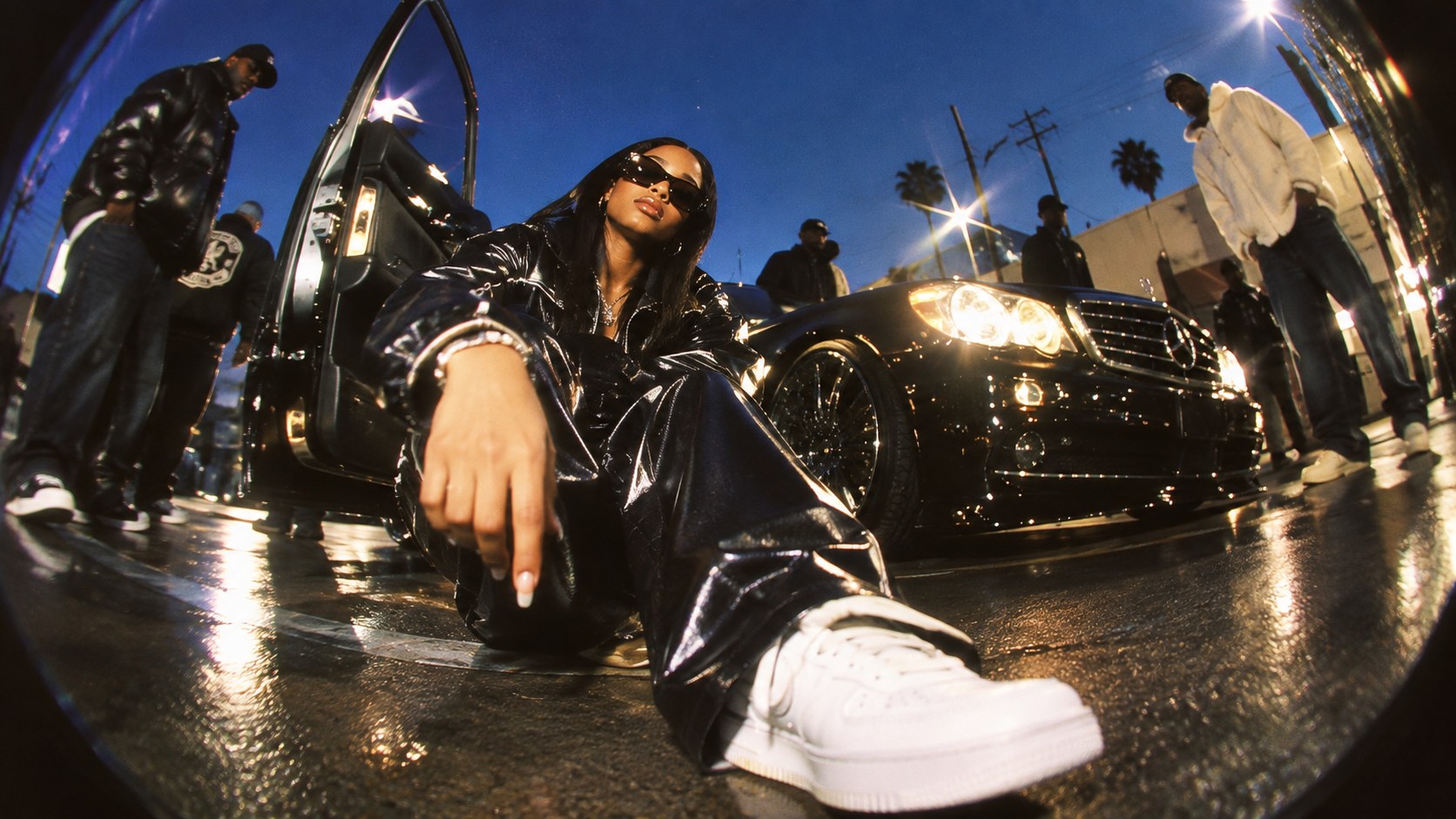
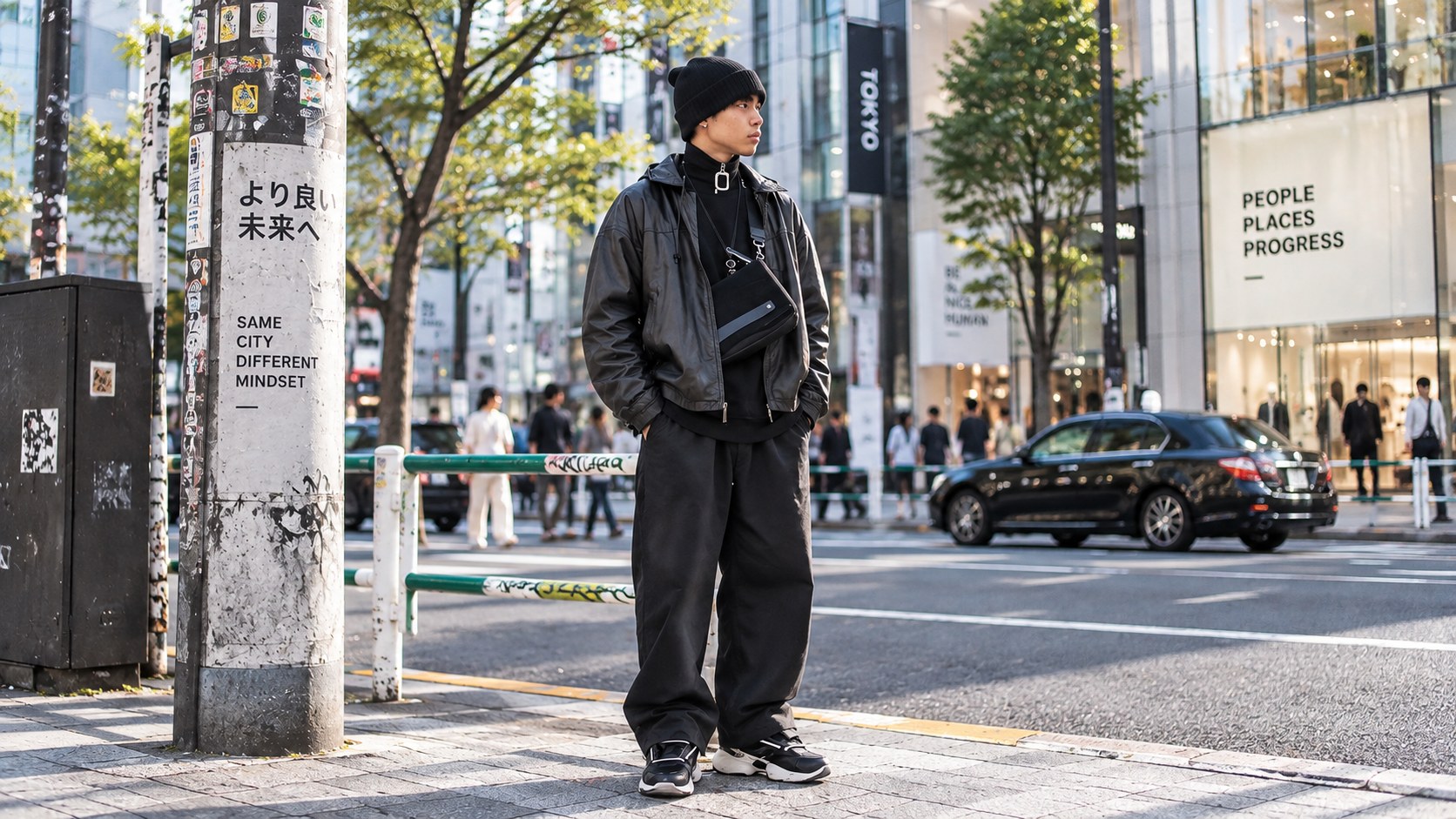
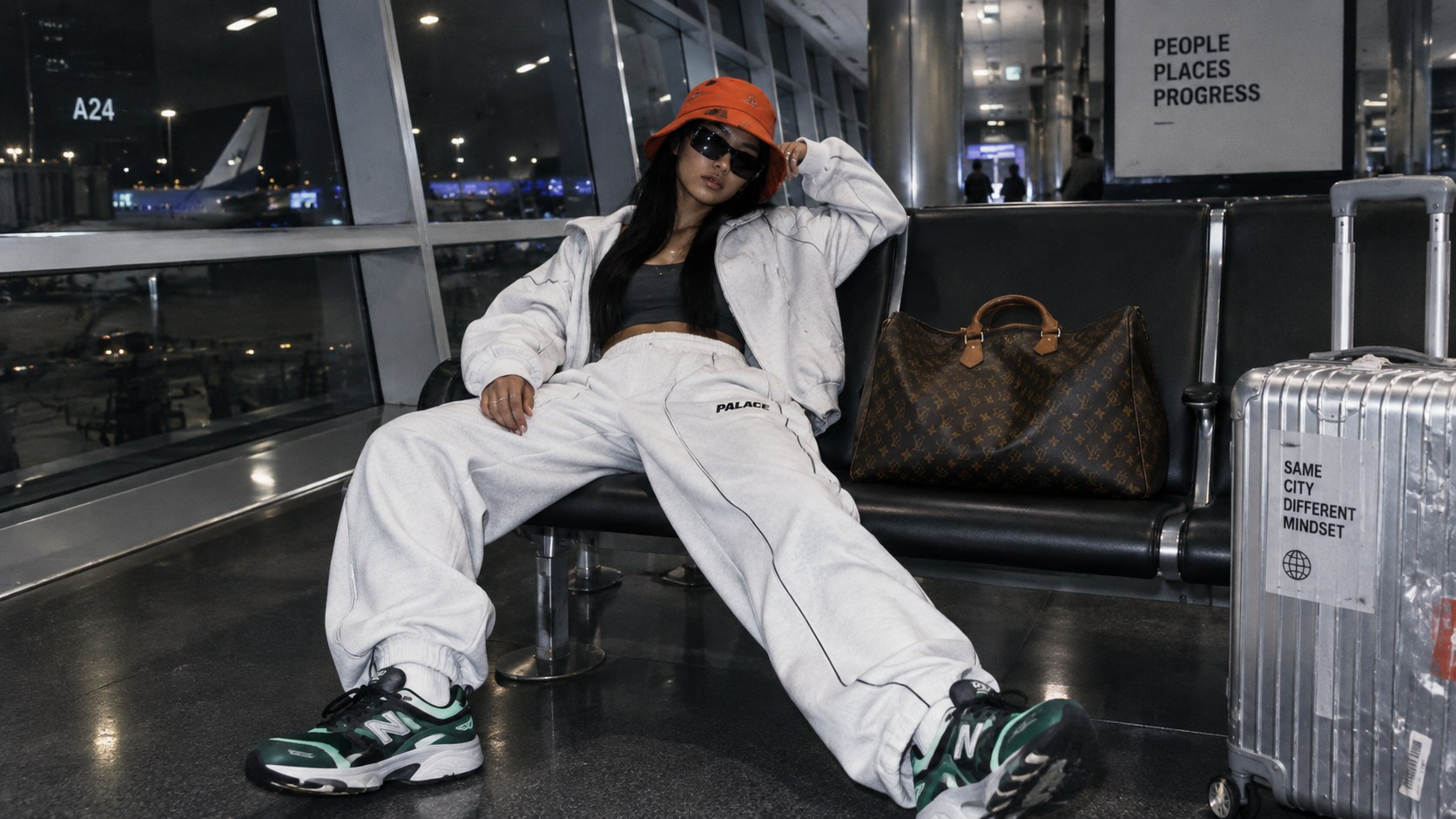
Streetwear fashion photography, oversized hoodies, heavyweight graphic tees, cargo pants, sneakers and caps, a real city street, skate park or corner shop, candid confident poses, flash or hard daylight, asphalt, concrete and chain-link backgrounds, heather grey, black and one bold accent colour, no real brand logos, no readable text
Paste as-is, or append your own subject
Mood Board
The record applied to your project. The record's kit is free; your brand, references and plates come with membership
Demo kit free, the rest with membershipThe record as a demo kit, free. Name a project and it is written for that
Omoro · Mood board · 038-ST
04
The judgement
Whether to use it, what it costs to do properly, and where it stands right now.
Creative verdict, Streetwear feasibility and strategic recommendation
Two written calls, seven meters, and when to walk away
Creative verdict
Should Streetwear be the call?
7 meters
FIG. 2
Assessment
Start from a community and a graphic, not a logo. Heavyweight blanks, a sharp original mark and a real place to shoot do most of the work. Keep drops small and the story specific. Borrowing another brand's box logo or colourway is the fastest way to lose the audience you want.
Verdict
Right for brands with a genuine community to serve: apparel labels, sneakers, skate, music and sport. It rewards specificity, a place, a scene, a graphic with a story, and punishes generic hype. Build the community first, design an original mark, and keep every collaboration earned.
Production cost
Medium
Blanks, printing and sampling are affordable; the photography and the community around the drop cost more.
Creative difficulty
High
The silhouettes are familiar; the graphic, the story and the reason to queue are the real design problem.
Execution difficulty
Medium
Garment quality, fit and print have to hold up to an audience that knows exactly what good looks like.
Risk of misuse
High
Corporate streetwear without a community reads as a costume, and the audience calls it out quickly.
Prevalence
Ubiquitous
It has been the dominant language of casual and much luxury menswear since the late 2010s.
Longevity
Enduring
Forty years in, it keeps changing its surface while the model of drops, graphics and community holds.
Brand investment
Medium
A strong graphic system and a real community scale; paid hype without either does not.
Avoid if
There is no real community or scene behind the brand
Streetwear trades on belonging; without it the clothes read as a costume.
The plan is to borrow a famous logo, colourway or box
The audience knows the originals, and imitation costs credibility immediately.
The brand needs to feel formal or conservative
Oversized casual silhouettes and logo culture pull the other way.
Omoro · Creative verdict · 038-ST
Editorial Depth
A Pro feature: origins, practitioners, and pitfalls
Editorial depth
The Streetwear file
14 sections
FIG. 3
Context02Brands02Perception04Use04Index02
01Common MisconceptionThe principle beneath the surface
02Historical ContextOrigins, cultural moment, and reaction
03Brands That Accidentally Use This StyleNatural alignment, not category claims
04Brands That Perfectly Represent This StyleExceptional execution
07Creative FormulaThe visual system reduced to essentials
08Recognition SignalsHow to recognize it in two seconds
09When To Use This StyleContexts where the language performs
10Common Creative MistakesWhere imitation weakens the signal
11Best Brand ApplicationsIndustries with a natural advantage
12Creative Application AnalysisFit, feasibility, and production reality
13Related StylesClose languages and the key distinction
14Visual DNA SummaryThe sentence to remember
The editorial depth, with membershipOpening soon
Omoro · Editorial depth · 038-ST
05
The index
Neighbours, cross-references, blends, and the questions people ask.
Related concepts
Connected across the creative knowledge graph
Cultural relevance, Streetwear cultural relevance today
Where it stands now, and what it costs you to use it
Streetwear is the dominant language of casual fashion and a large part of luxury menswear. Its real innovation is not a silhouette but a model: small runs, drops, collaborations and a community that treats the brand as membership.
Its weakness is the costume. Brands that borrow the look without a scene, or copy another label's logo or colourway, are spotted immediately by an audience that knows the originals. The work that lands is specific: a real place, a real crew, an original graphic and a reason to care.
Asphalt #1C1C1E, heather grey #B9B9B7 and bone #EDE6D6 as the base
Drop red #E0231C and safety orange #FF6A13 as accents
Storm grey #5A6068, shell black #111214 and slate blue #2F6F8F
The calls this blend forces
These two disagree on 3 things, and a blend cannot average them: you pick a side. At this mix:
Expressive or Restrained? Streetwear is expressive, Technical Sportswear is restrained. This mix lands expressive.
Chaotic or Structured? Streetwear is chaotic, Technical Sportswear is structured. This mix lands structured.
Maximal or Minimal? Streetwear is maximal, Technical Sportswear is minimal. This mix lands maximal.
Use it
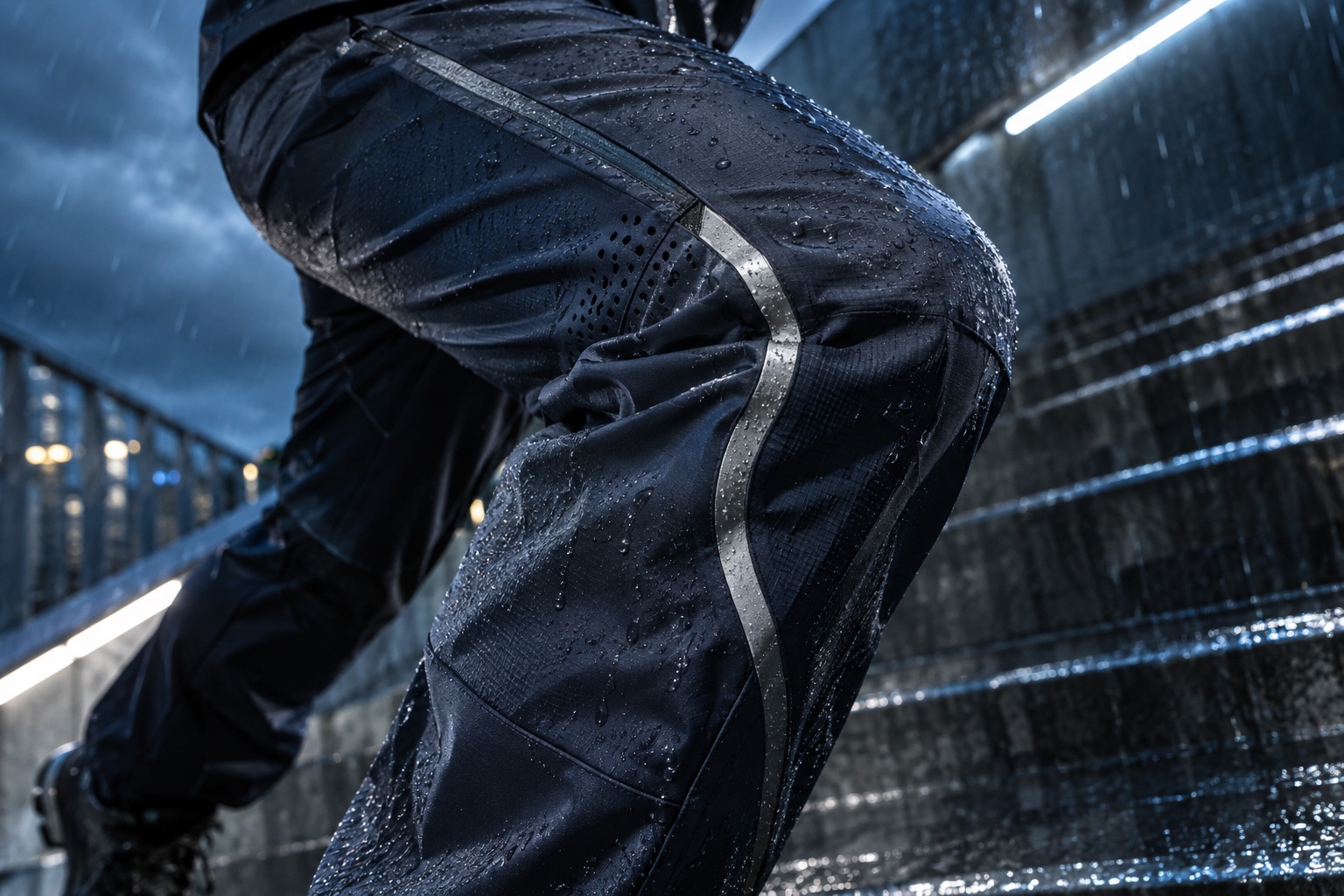
Streetwear fashion photography, oversized hoodies, heavyweight graphic tees, cargo pants, sneakers and caps, a real city street, skate park or corner shop, candid confident poses, flash or hard daylight, asphalt, concrete and chain-link backgrounds, heather grey, black and one bold accent colour, no real brand logos, no readable text (50%), infused with Technical sportswear, a lightweight shell in ripstop or stretch woven fabric with articulated knees and elbows, mapped mesh ventilation, taped seams, laminated zips and one restrained reflective detail, worn in motion in real weather, rain or wind on a hillside or a wet street, storm grey, black and slate blue, photographic, no tactical costume, no extra straps, no armour, color palette strictly #1C1C1E #5A6068 #B9B9B7 #111214 #E0231C, leaning expressive over restrained, chaotic over structured, maximal over minimal, overall character: geometric, digital, cool
One-click generation opens with the studio
About this aesthetic
What is streetwear?+
Casual clothing that grew out of surf, skate and hip-hop culture: graphic T-shirts, hoodies, sneakers, caps and oversized cuts, sold in limited runs and drops, and built around logos, collaborations and community.
Where did streetwear start?+
Most histories begin with Shawn Stüssy printing his surfboard signature on T-shirts in Southern California in the early 1980s, then run through New York skate and hip-hop culture, Supreme's first store in 1994, and Tokyo's Harajuku labels.
How did streetwear enter luxury fashion?+
Through collaborations and designers. Supreme and Louis Vuitton collaborated in 2017, and in 2018 Louis Vuitton named Virgil Abloh, who came up through streetwear, artistic director of menswear.
Build with the streetwear aesthetic
Every style in the library is broken down like this one: the palette, the typography, the materials and the lineage.