History, Afro Surrealism aesthetic history
1974–present, with roots in the 1940s · Black diasporic literature, then film, art and image-making across the United States, the Caribbean and Africa
Amiri Baraka used the phrase Afro-surreal expressionism in 1974 to describe the fiction of Henry Dumas, whose stories set the impossible inside ordinary Black Southern life without explanation. The lineage runs back further: Suzanne and Aimé Césaire's journal Tropiques in wartime Martinique brought Surrealism into contact with négritude, and Ralph Ellison's Invisible Man (1952) opens with a man living in a basement lit by 1,369 bulbs. Ishmael Reed's Mumbo Jumbo (1972) turned the whole history of the twentieth century into a conspiracy plot. None of this was about the future. It was about the present being unreal.
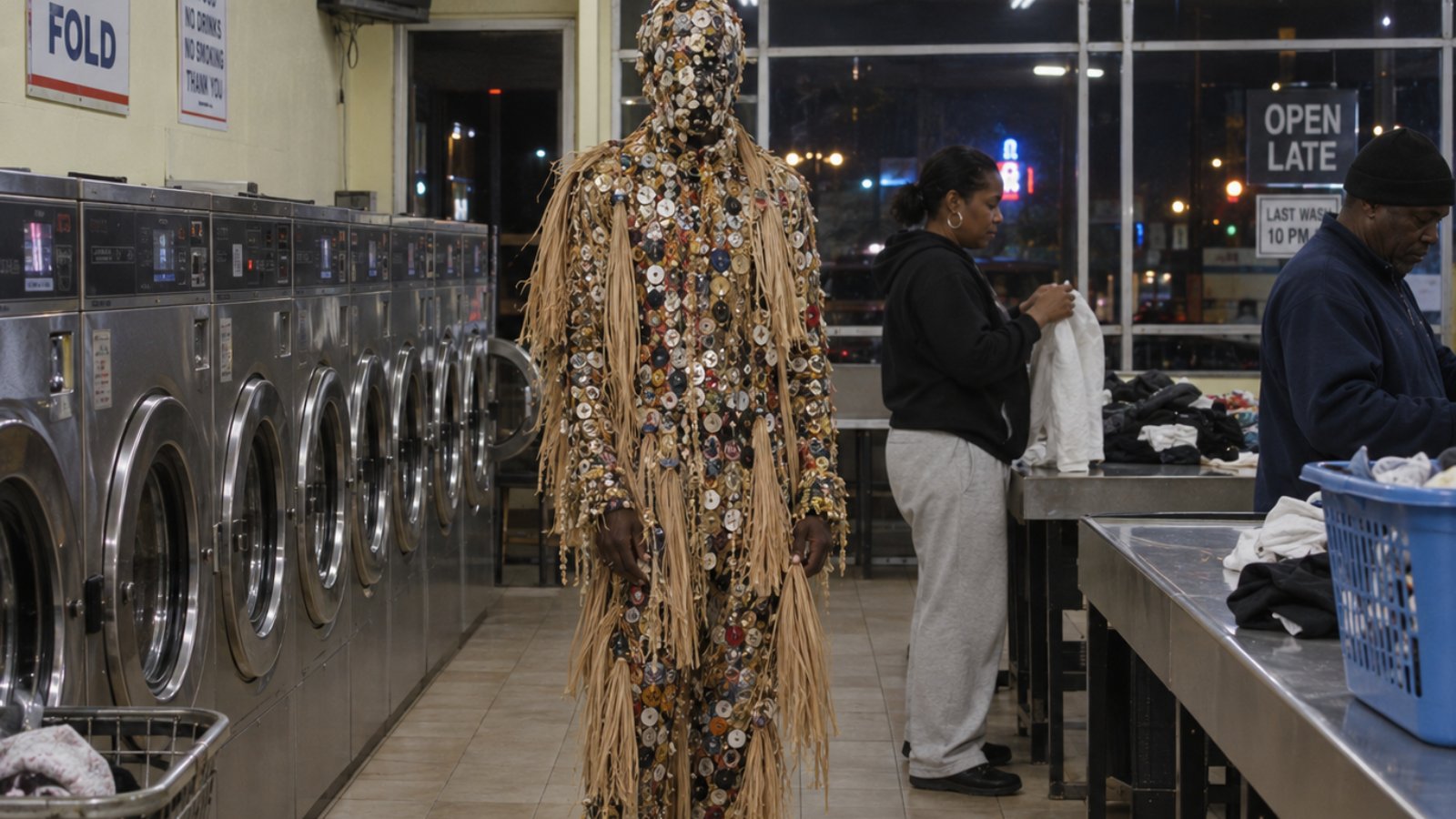
D. Scot Miller's Afrosurreal Manifesto (2009) gave the tendency a name and a set of rules, and drew the line against Afrofuturism: Afrofuturism imagines what comes next, Afro Surrealism insists that now is already strange enough. The visual artists were ahead of the essay. Wangechi Mutu's collages built female figures from magazine skin, machine parts and animal limbs; Nick Cave's Soundsuits (from 1992) were wearable sculptures that erased race, gender and class by covering the whole body; Ellen Gallagher cut and reworked mid-century advertisements for wigs and skin creams.
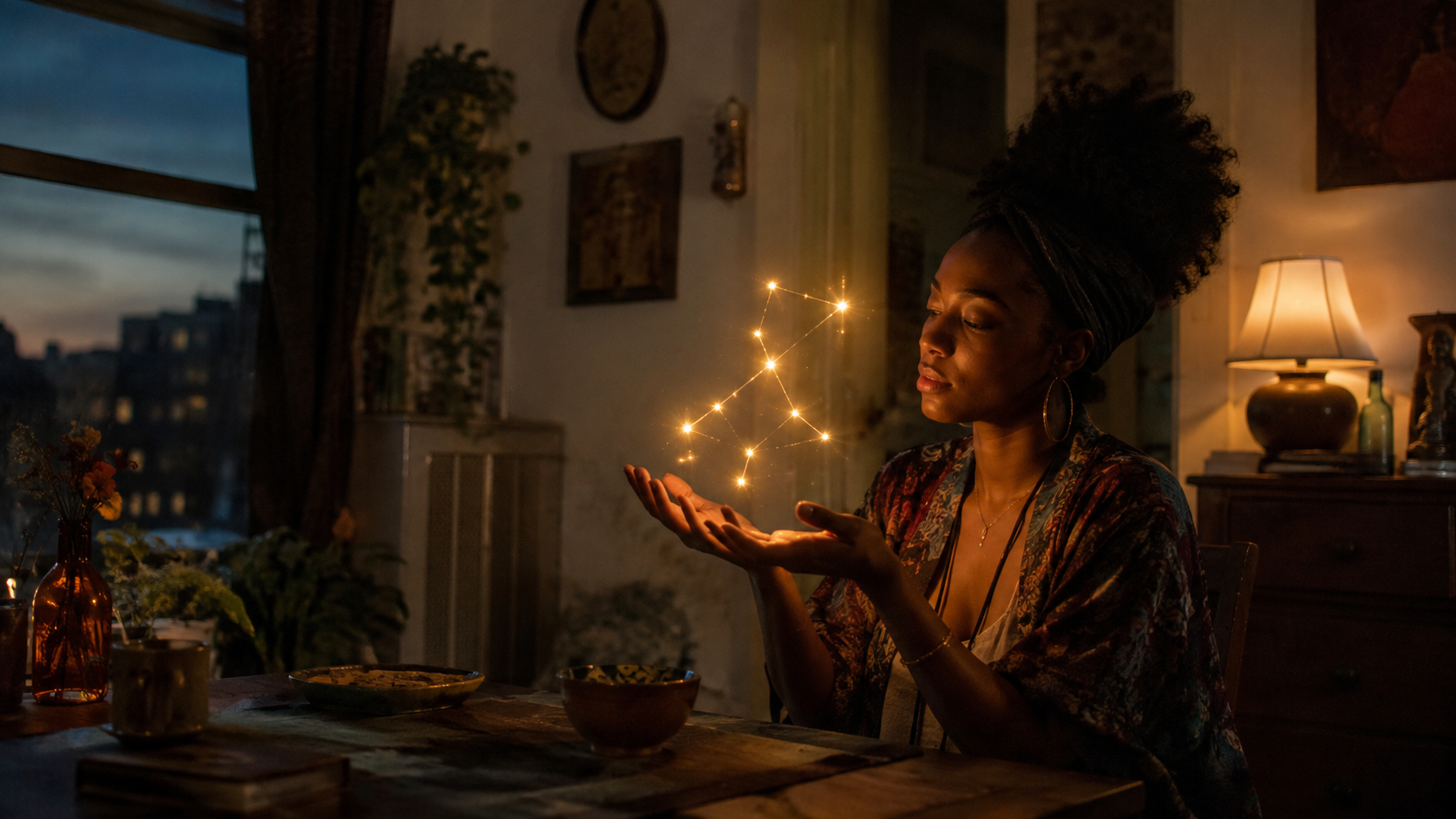
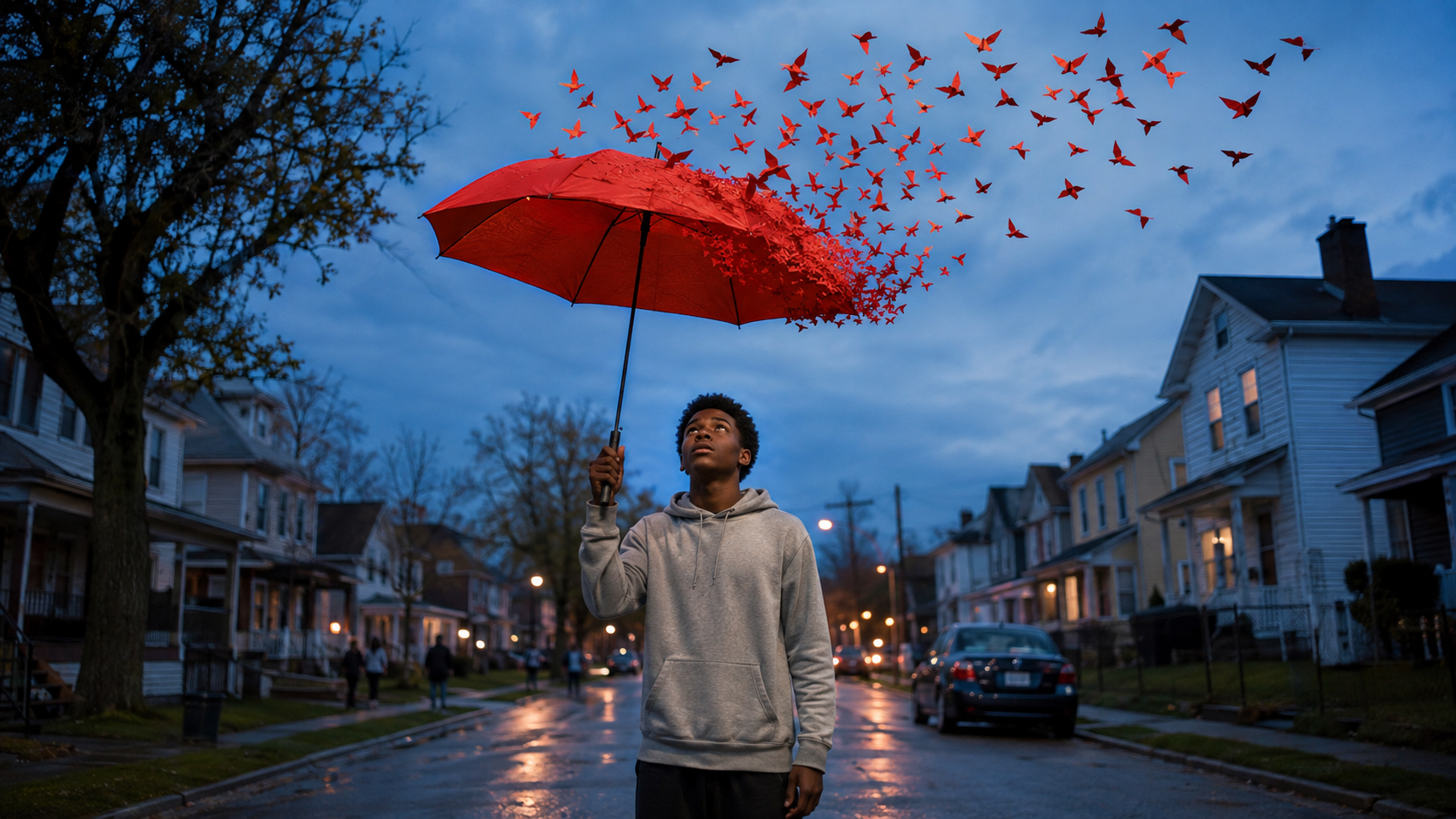
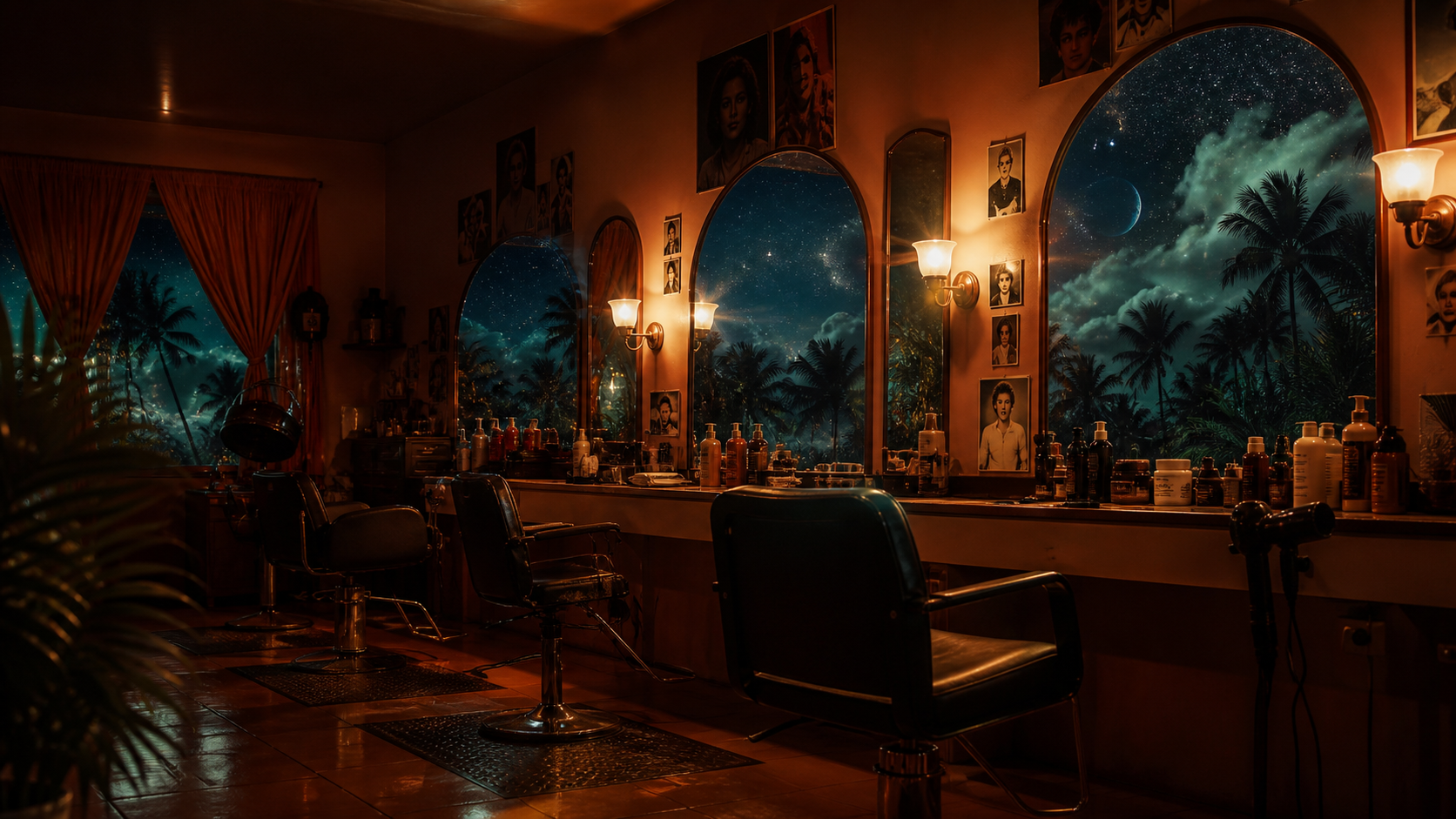
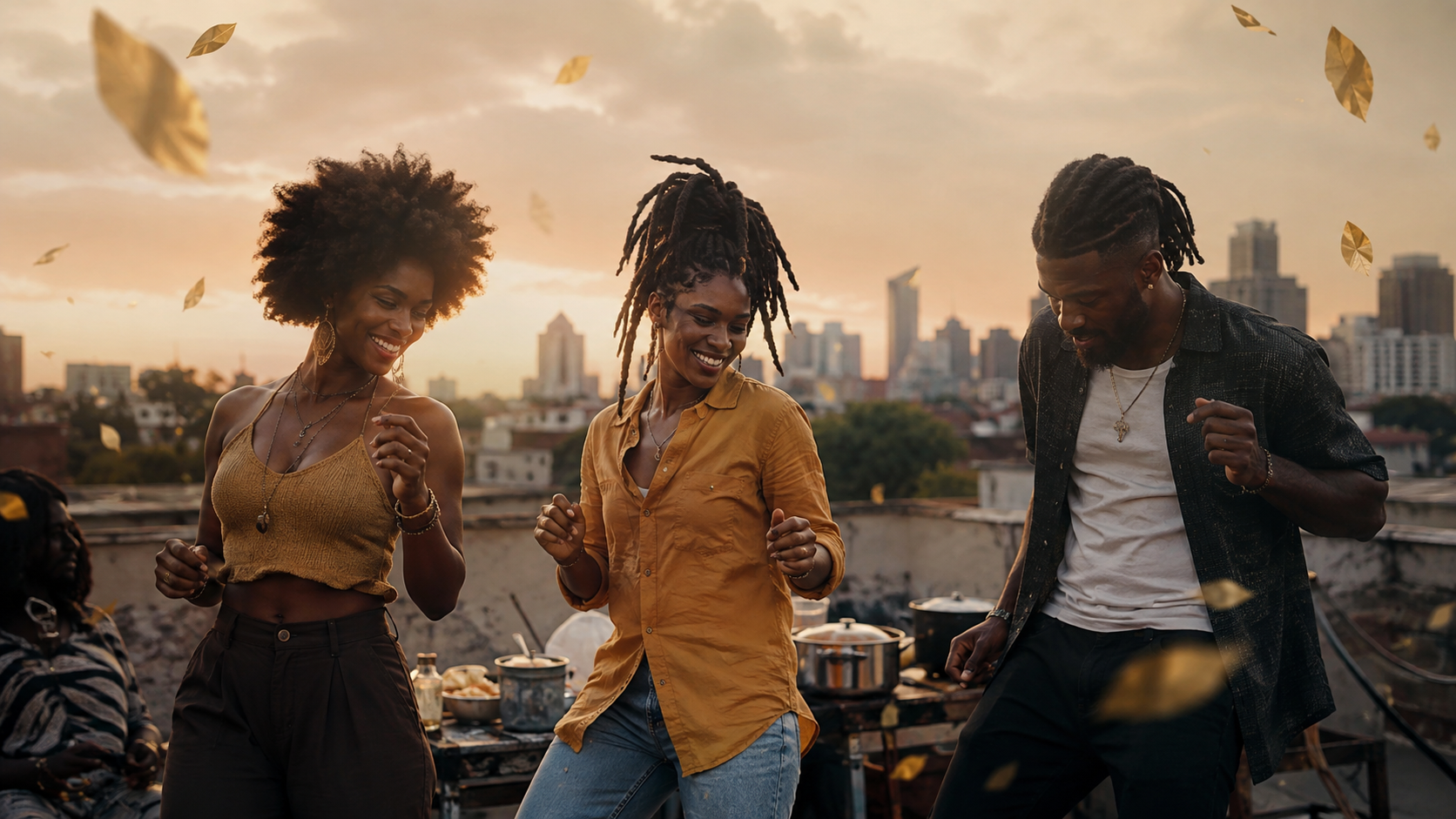
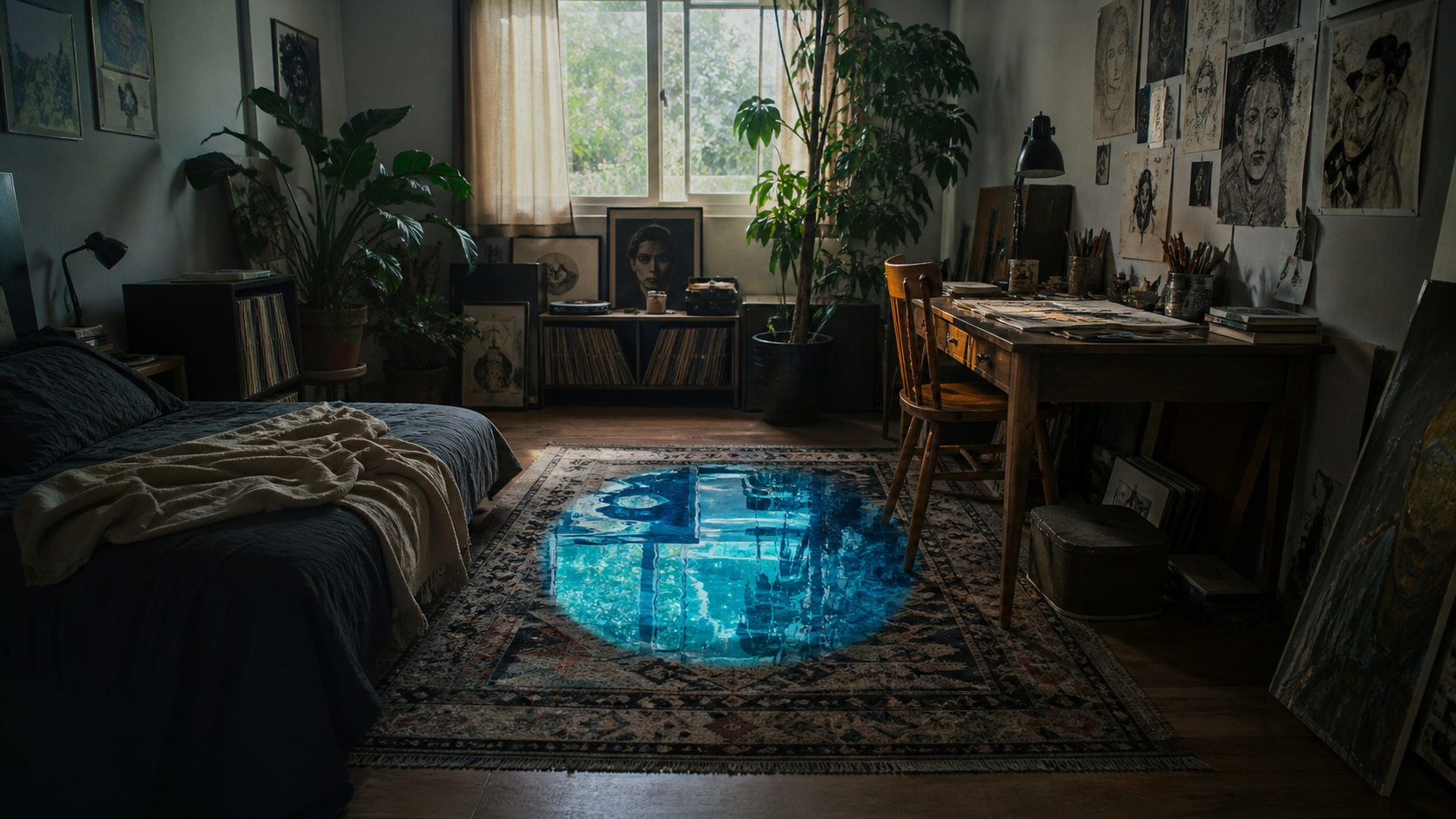
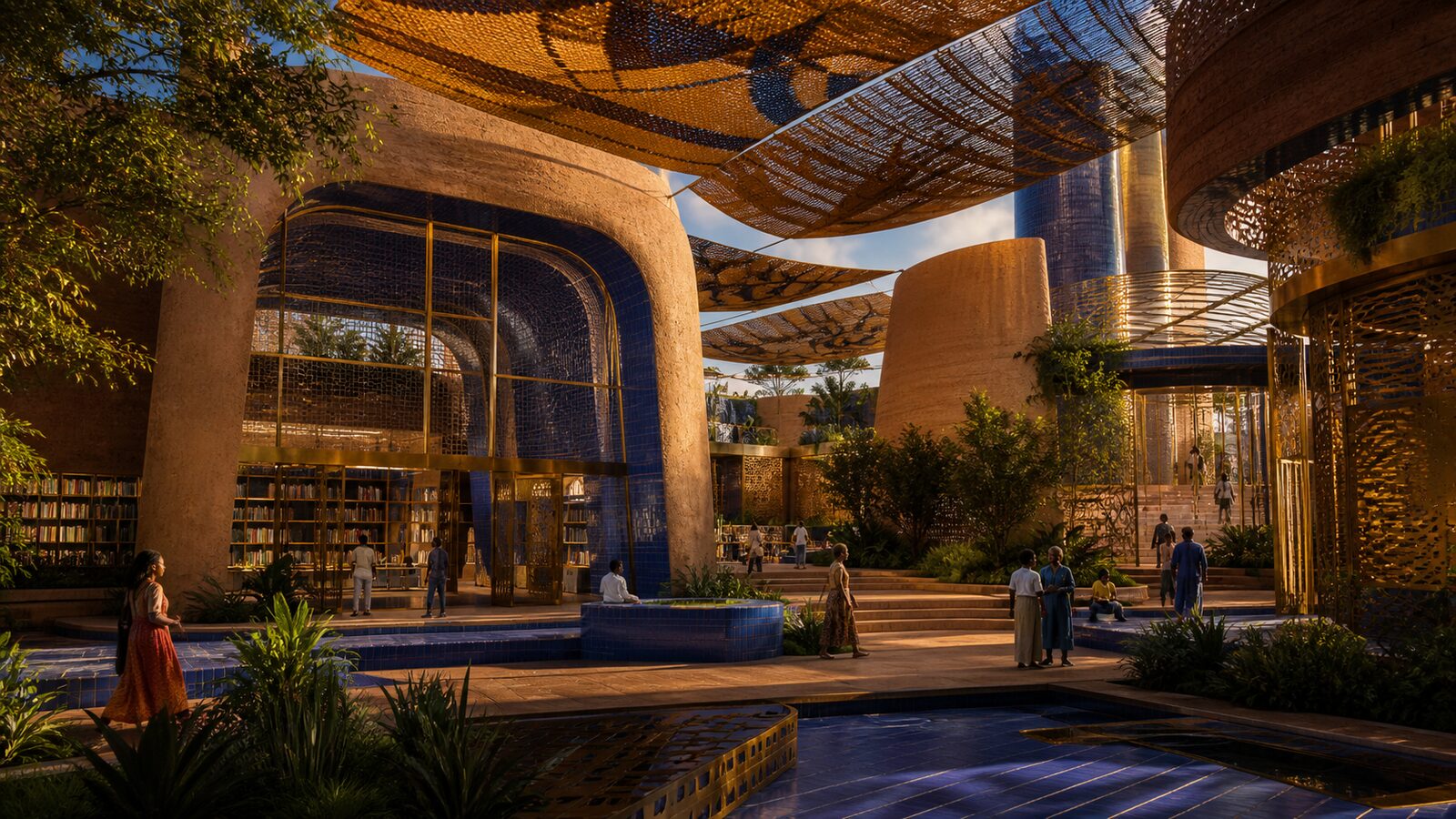
Film and television made it a popular language in the late 2010s. Boots Riley's Sorry to Bother You (2018) set a telemarketing satire in a world where the impossible arrives through a door in an office; Donald Glover's Atlanta (2016 to 2022) put an invisible car, a Black Justin Bieber and a haunted mansion into a show about rap management; Terence Nance's Random Acts of Flyness (2018) and Kahlil Joseph's films treated collage, dream logic and documentary as one thing. What the design world takes from it is a method: photographic fidelity, one rupture, no explanation, and a palette of velvet, gold and tungsten light.