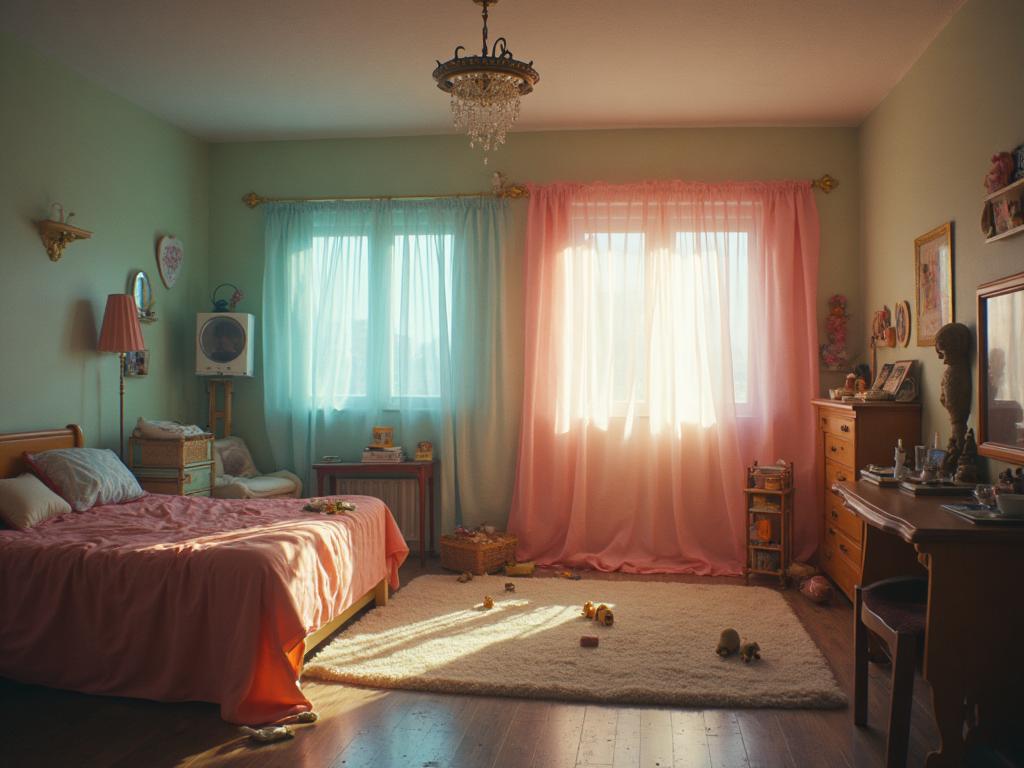
Mood guide · Visual archive

Mystery & Intrigue

What visual style creates mystery and intrigue?

partial informationshadow and implicationunexplained depth

Mystery earns attention by withholding the explanation.

Visual DNA
Contrast4/5
Geometry2/5
Texture4/5
Warmth2/5
Movement2/5
Precision3/5
Psychological effect

Partial information creates an open loop. The mind keeps scanning because the image offers a world, but withholds enough of its logic that the viewer has to imagine the rest.

Recognition signals
partial informationshadow and implicationunexplained depth
Common misread

Using darkness as a substitute for depth. The image needs a specific unanswered question.
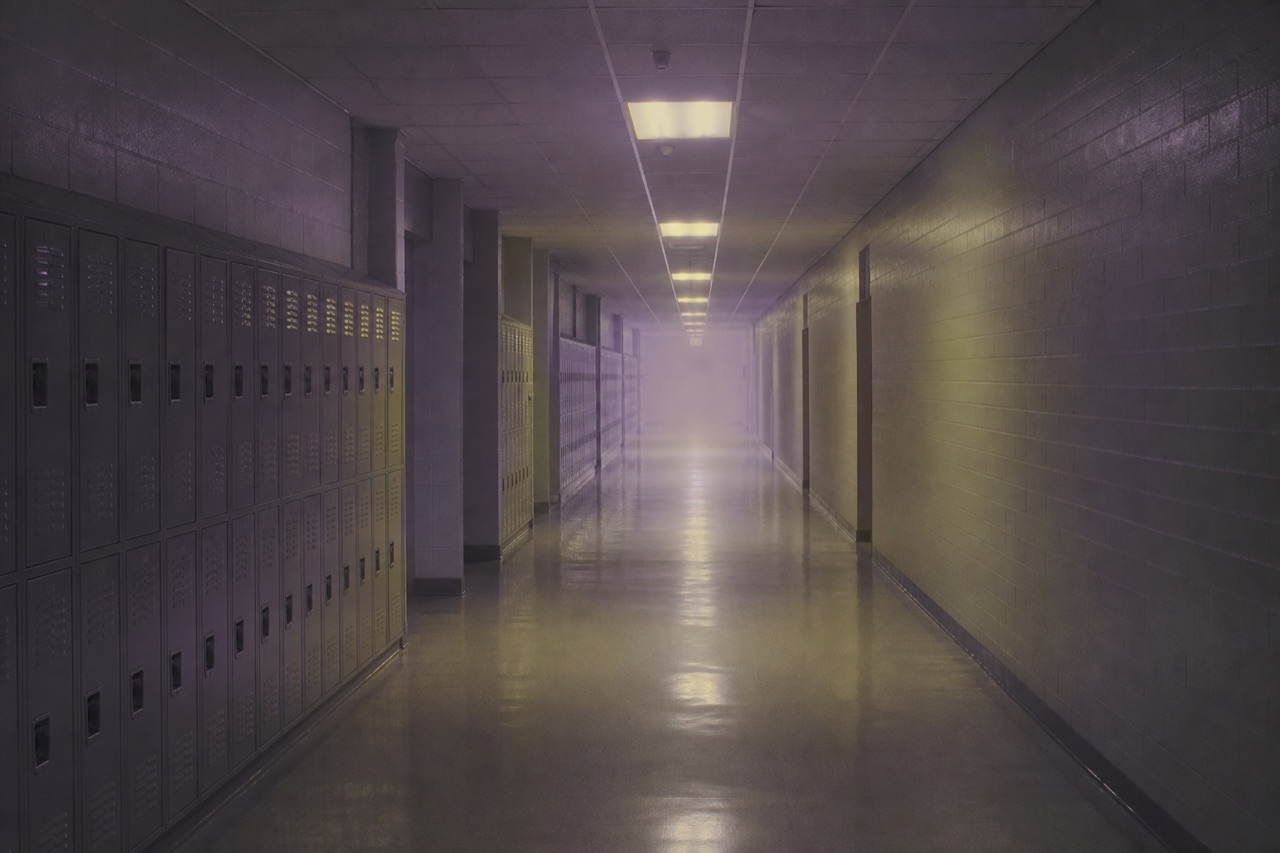
Mystery & Intrigue editorial reference
Mood referenceMystery & Intrigue
Surrealism aesthetic - Mystery & Intrigue visual reference
Surrealism
Dreamcore aesthetic - Mystery & Intrigue visual reference
Dreamcore
Liminal Space aesthetic - Mystery & Intrigue visual reference
Liminal Space
Visual referencesMystery & Intrigue

Mystery communicates through omission. The frame shows you something but withholds the explanation. Dreamcore and liminal aesthetics work because they trigger the feeling of a memory that cannot quite be placed: familiar enough to recognize, strange enough to unsettle. Gothic and surrealist imagery introduces its own internal logic that does not resolve into comfort. The viewer keeps looking because the image refuses to give everything up at once. This is not darkness for its own sake but the deliberate use of incomplete information as a hook. The palette tends toward the muted and desaturated, with light sources that do not explain themselves. Dreamcore color palettes in particular use soft, shifted hues that feel like they belong to a specific hour of the day that does not actually exist.

Why it works

Partial information creates an open loop. The mind keeps scanning because the image offers a world, but withholds enough of its logic that the viewer has to imagine the rest.

Visual formula
Selective concealment+
Atmospheric shadow+
Unresolved narrative+
Unexpected detail
=Intrigue & discovery
Visual styles that communicate this
Creative decision support
Best for

Fragrance

Narrative entertainment

World-building fashion

Works well with

Romance · Luxury · Rebellion

Opposite mood

Trust & Reliability

Common mistake

Using darkness as a substitute for depth. The image needs a specific unanswered question.

Creative Application Analysis

Mystery & Intrigue: practical creative value

Mystery & Intrigue is not a demographic shortcut. It is a perceptual register that changes how a viewer reads pace, care, risk, and relevance in a visual system.

Best industries
Fragrance and beautyMystery & Intrigue gives this context a sharper signal of care and judgment, especially when the work needs to feel authored rather than generic.
Entertainment and filmMystery & Intrigue gives this context a sharper signal of care and judgment, especially when the work needs to feel authored rather than generic.
FashionMystery & Intrigue gives this context a sharper signal of care and judgment, especially when the work needs to feel authored rather than generic.
Best audiences
Creative professionalsThey respond to a mood when it gives them a sharper language for making and evaluating choices.
Considered audiencesThey read cohesion as evidence that the work has been thought through, not assembled by default.
People seeking a specific experienceThe mood creates a clear expectation of what the product, place, or story will feel like before it is explained.
Best products
FragranceThe mystery & intrigue register gives this application a more immediate and distinctive point of entry.
Narrative entertainmentThe mystery & intrigue register gives this application a more immediate and distinctive point of entry.
World-building fashionThe mystery & intrigue register gives this application a more immediate and distinctive point of entry.
Best campaign types
Brand positioningA sustained mood provides a decision rule for art direction, writing, image selection, and physical touchpoints.
Editorial and social seriesRepeated visual signals make a sequence coherent without making every frame identical.
Experience or launch filmSound, pace, casting, lighting, and material can reinforce a single perceptual promise.
Creative feasibility
Production costMedium

Real lighting and location control to get unexplained shadow right, not just a dark filter.

Creative difficultyHigh

Withholding exactly the right amount of information is a genuinely hard editorial call.

Execution difficultyHigh

Unexplained light sources are easy to get muddy instead of moody.

Overall creative assessment

Mystery & Intrigue creates competitive advantage where experience matters as much as information. It works best when the product, service, or story already contains evidence that can support the feeling. The common failure is to apply the mood as a filter, then leave the structure, casting, copy, and pacing unchanged. Exceptional work uses it as a governing decision rule. It knows what to amplify, what to withhold, and where a small concrete detail can do more than a large stylistic gesture. The teams most likely to succeed are small, observant, and cross-disciplinary: an art director with a strong editor, photographer or filmmaker, stylist or spatial designer, and a client willing to protect the central idea through production.

Strategic Recommendation

When mystery & intrigue should guide the work

Best for
FragranceMystery & Intrigue gives this work a perceptual logic that can carry across image, copy, motion, and environment.
Narrative entertainmentMystery & Intrigue gives this work a perceptual logic that can carry across image, copy, motion, and environment.
World-building fashionMystery & Intrigue gives this work a perceptual logic that can carry across image, copy, motion, and environment.
Avoid if
The category needs clarity to build purchase confidenceAmbiguity works directly against categories where certainty drives the decision.
There's no real idea behind the ambiguityVague dark imagery without intent just reads as murky, not mysterious.
Risk of misuseMedium

A weak attempt usually just reads confusing rather than actively wrong.

Contemporary prevalenceEmerging

Dreamcore and liminal aesthetics are trending upward, but still less codified than most registers here.

LongevityEnduring

Withholding information as a hook is a durable storytelling principle, not a passing look.

Brand investmentMedium

Real lighting and location control cost time, though not at luxury's sustained scale.

Creative verdict

Mystery & Intrigue is worth adopting when a brand, product, or cultural project needs to make a specific experiential promise before it can be explained in words. It is not a substitute for clarity, proof, or a coherent product. The greatest advantage comes from using the mood as a decision rule: it tells the team how to light a scene, pace a film, select a material, edit a sentence, and decide what to leave out. Average work applies familiar cues and stops there. Exceptional work makes every choice support the same perceptual outcome, while retaining enough specificity that the audience can believe it. The biggest mistake is assuming that emotional recognition alone creates strategic value. Use mystery & intrigue only when the operation behind the image can honor the experience the image promises.

When to use this visual mood
  • Fragrance and perfume campaigns where desire is built through atmosphere not product shots
  • Horror, thriller, and speculative fiction publishing and film marketing
  • Fashion editorials where the brand wants to imply a world rather than sell a garment
  • Luxury brands using absence and implication to signal exclusivity
  • Gaming titles in the horror, psychological, or open-world exploration genres
  • Art house film and independent cinema where ambiguity is the point
  • Brand identity for categories where discovery and ritual are core to the experience
What to avoid
  • Darkness without texture: shadow that is merely dim rather than atmospheric
  • Mystery applied to categories where clarity builds more purchase confidence
  • Dreamcore color palettes in contexts that require energy or urgency
  • Surrealist imagery that reads as random rather than intentionally strange
  • Gothic aesthetics used ironically in ways that undercut the atmosphere
Industries and use cases
Fragrance and beautyEntertainment and filmFashionPublishingGamingLuxury
Mood relationships
Mystery & IntrigueRomanceLuxuryRebellionOpposite: Trust & Reliability
Luxury & PrestigeRebellion & EdgeRomance & Intimacy
About this mood
What visual style communicates mystery & intrigue?

Mystery communicates through omission. The frame shows you something but withholds the explanation. Dreamcore and liminal aesthetics work because they trigger the feeling of a memory that cannot quite be placed: familiar enough to recognize, strange enough to unsettle. Gothic and surrealist imagery introduces its own internal logic that does not resolve into comfort. The viewer keeps looking because the image refuses to give everything up at once. This is not darkness for its own sake but the deliberate use of incomplete information as a hook. The palette tends toward the muted and desaturated, with light sources that do not explain themselves. Dreamcore color palettes in particular use soft, shifted hues that feel like they belong to a specific hour of the day that does not actually exist.

Styles that carry it

  1. Surrealism
  2. Dreamcore
  3. Liminal Space
  4. Gothic
  5. Surveillance
  6. Afro Surrealism
When should I use a mystery & intrigue aesthetic?

Deploy it for

  1. Fragrance and perfume campaigns where desire is built through atmosphere not product shots
  2. Horror, thriller, and speculative fiction publishing and film marketing
  3. Fashion editorials where the brand wants to imply a world rather than sell a garment
  4. Luxury brands using absence and implication to signal exclusivity
  5. Gaming titles in the horror, psychological, or open-world exploration genres
  6. Art house film and independent cinema where ambiguity is the point
  7. Brand identity for categories where discovery and ritual are core to the experience
What industries use mystery & intrigue visual design?

Where it performs

  1. Fragrance and beauty
  2. Entertainment and film
  3. Fashion
  4. Publishing
  5. Gaming
  6. Luxury
What should I avoid when designing for a mystery & intrigue mood?

These undo the mood faster than anything else builds it.

Do not

  1. Darkness without texture: shadow that is merely dim rather than atmospheric
  2. Mystery applied to categories where clarity builds more purchase confidence
  3. Dreamcore color palettes in contexts that require energy or urgency
  4. Surrealist imagery that reads as random rather than intentionally strange
  5. Gothic aesthetics used ironically in ways that undercut the atmosphere

Omoro Studio · Creative System

Generate in the Mystery register

Omoro reads your visual references and generates in your exact aesthetic. Drop in images that carry the right mood and it extracts the DNA automatically.

Join the waitlist