History, Biomorphic Modernism aesthetic history
1930s–1960s · Paris and Zurich in sculpture, then Finland, the United States and Brazil in design and architecture
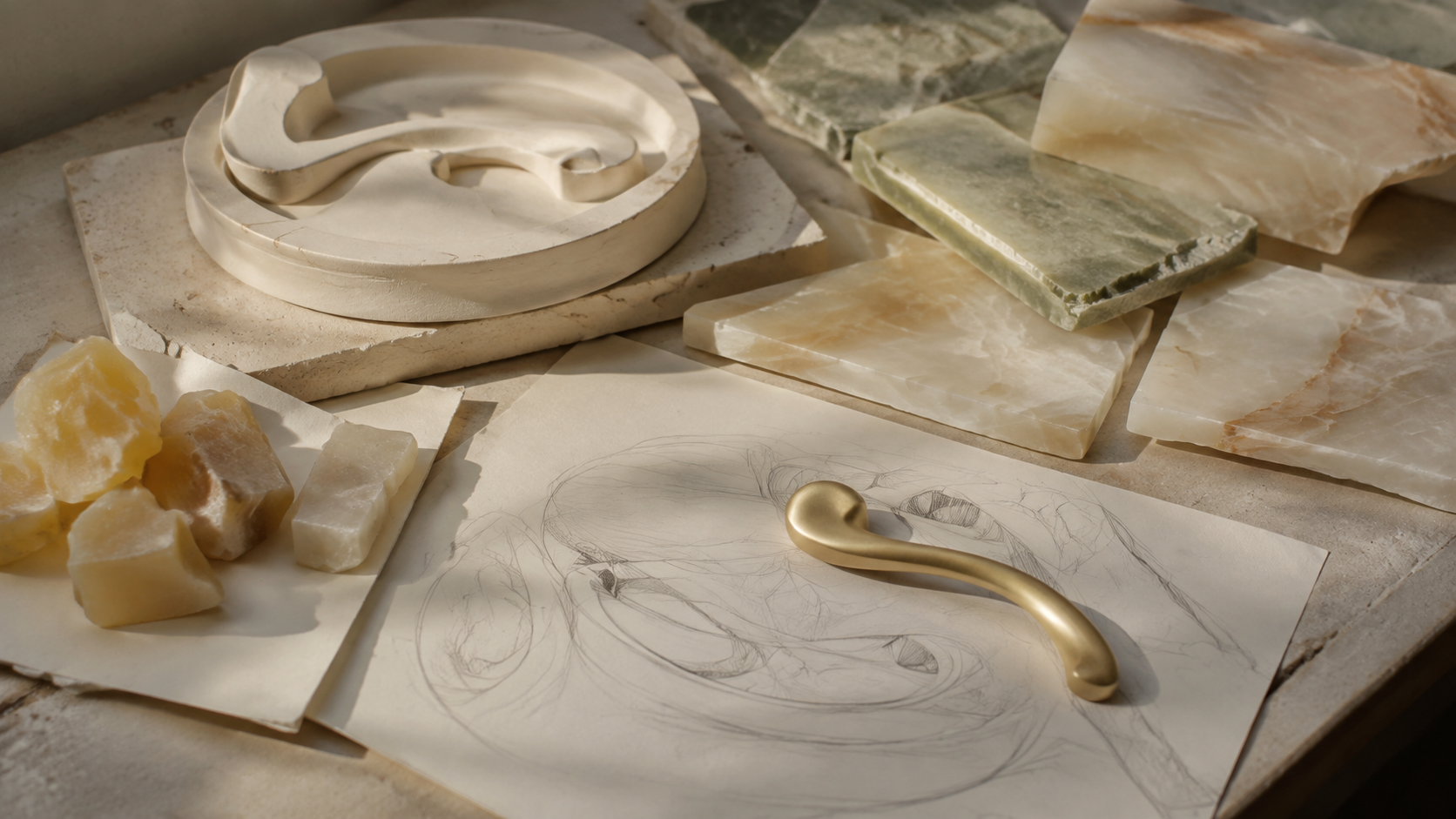
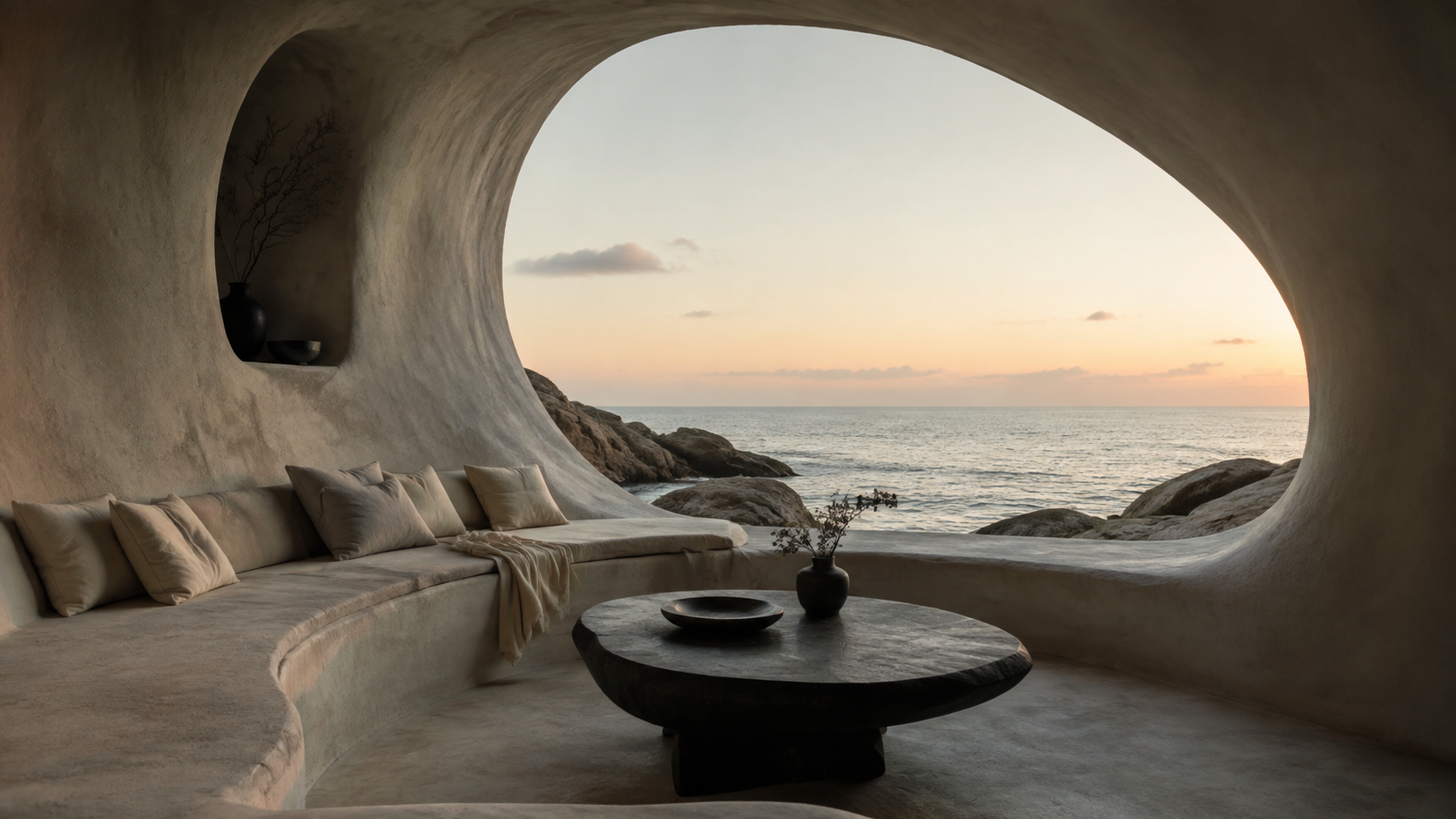
Biomorphism entered modern art through Jean Arp's reliefs and Joan Miró's paintings in the early 1930s, and Alfred Barr put the word on his 1936 chart for Cubism and Abstract Art at the Museum of Modern Art, as the strand of abstraction that took its shapes from cells, pebbles and bodies rather than from geometry. Henry Moore's reclining figures gave it mass. The design world caught it almost at once: Alvar Aalto's Savoy vase (1936) was a free-form outline in glass, and his bent plywood chairs had already shown that wood could curve like a limb. Frederick Kiesler began the Endless House in 1947, a dwelling with no corners at all.
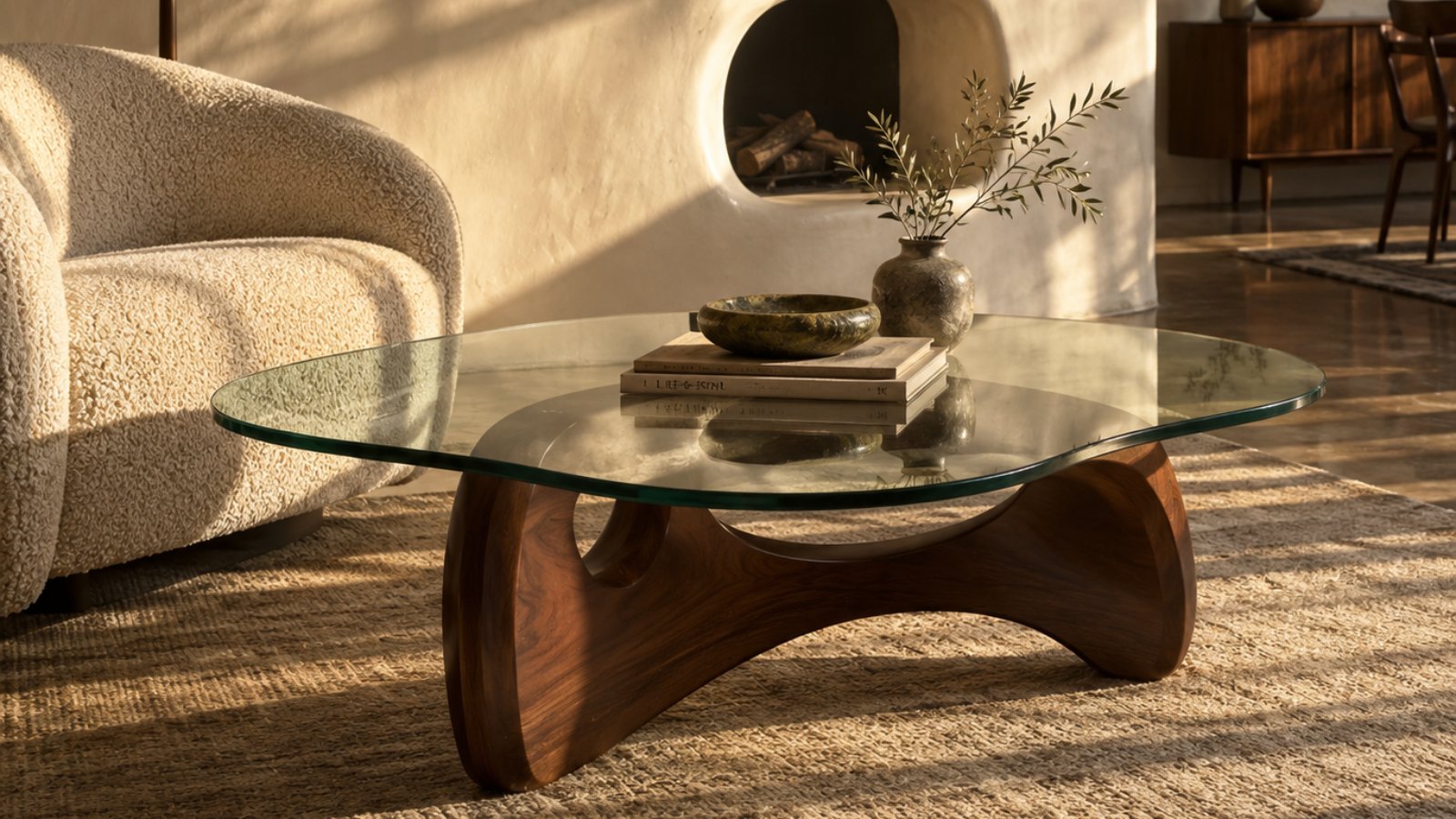
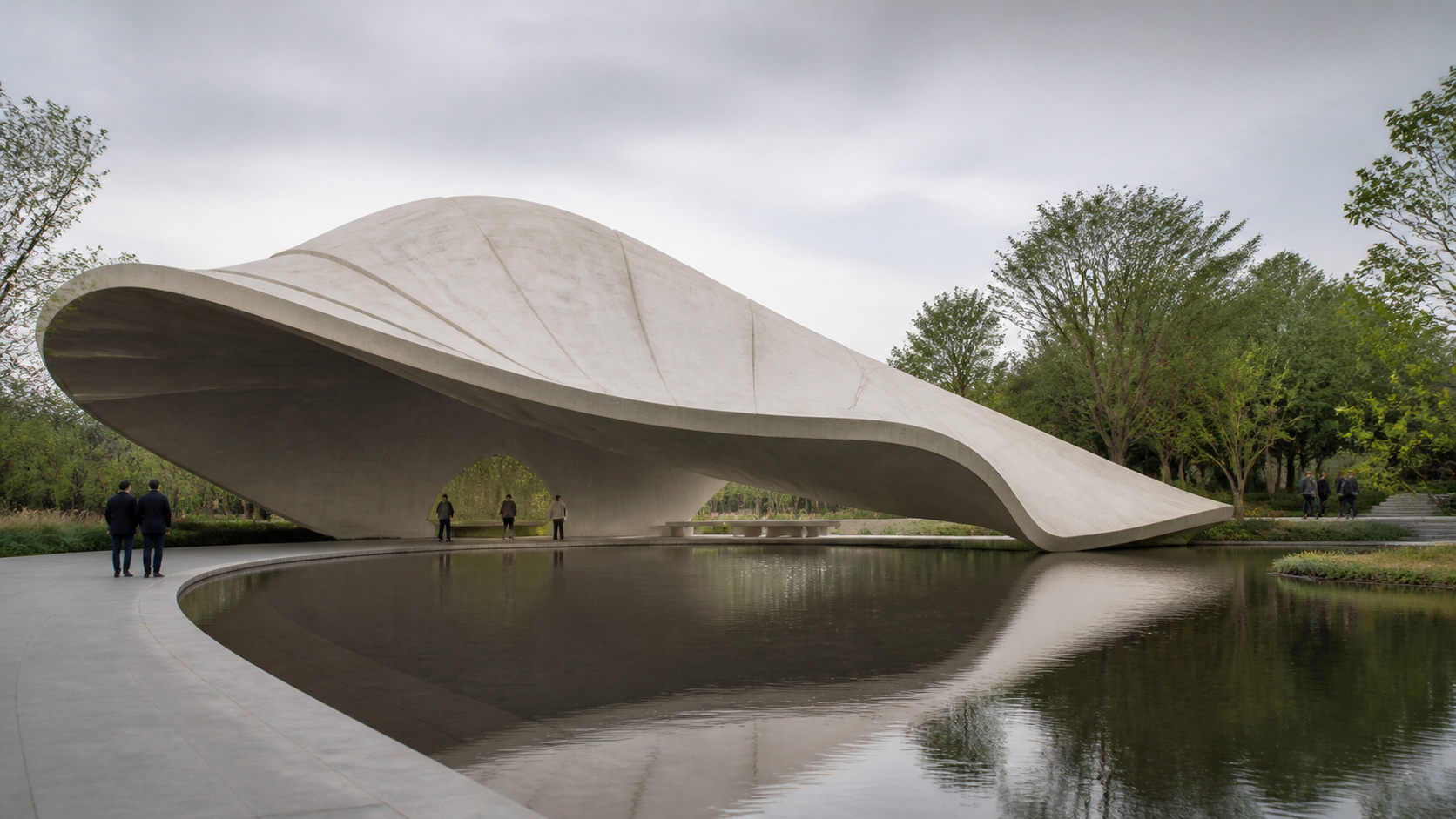
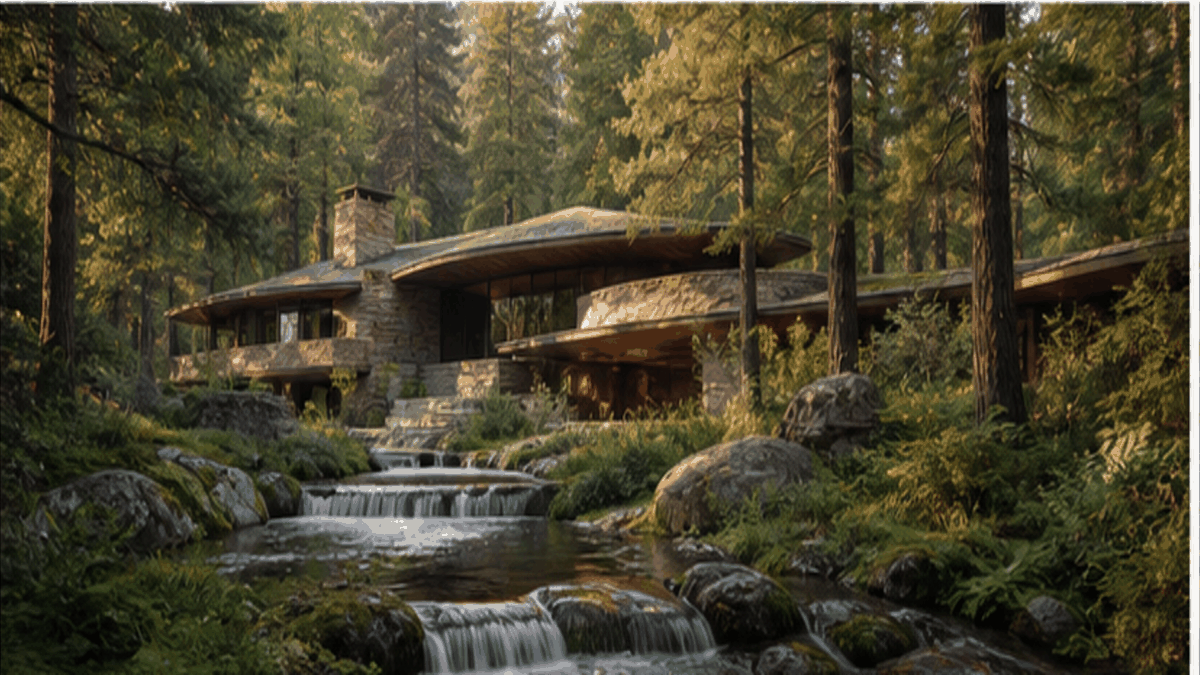
After the war the vocabulary went into production. Isamu Noguchi's coffee table for Herman Miller (1947) was a pebble of glass on two pieces of sculpted walnut; Charles and Ray Eames' LCW (1946) bent plywood in two directions, and their La Chaise (1948) was a fibreglass cloud on legs. Eero Saarinen's Womb chair for Knoll (1948) and Tulip chair (1957) were designed to hold a body rather than to sit on a grid. Carlo Mollino in Turin drew tables like bones; Oscar Niemeyer in Brazil built the church at Pampulha (1943) and the Casa das Canoas (1953) as curves in concrete, and Roberto Burle Marx laid out gardens as amoebas. In the mass market the kidney-shaped table, the boomerang laminate and the atomic clock were the same shapes at a lower price.
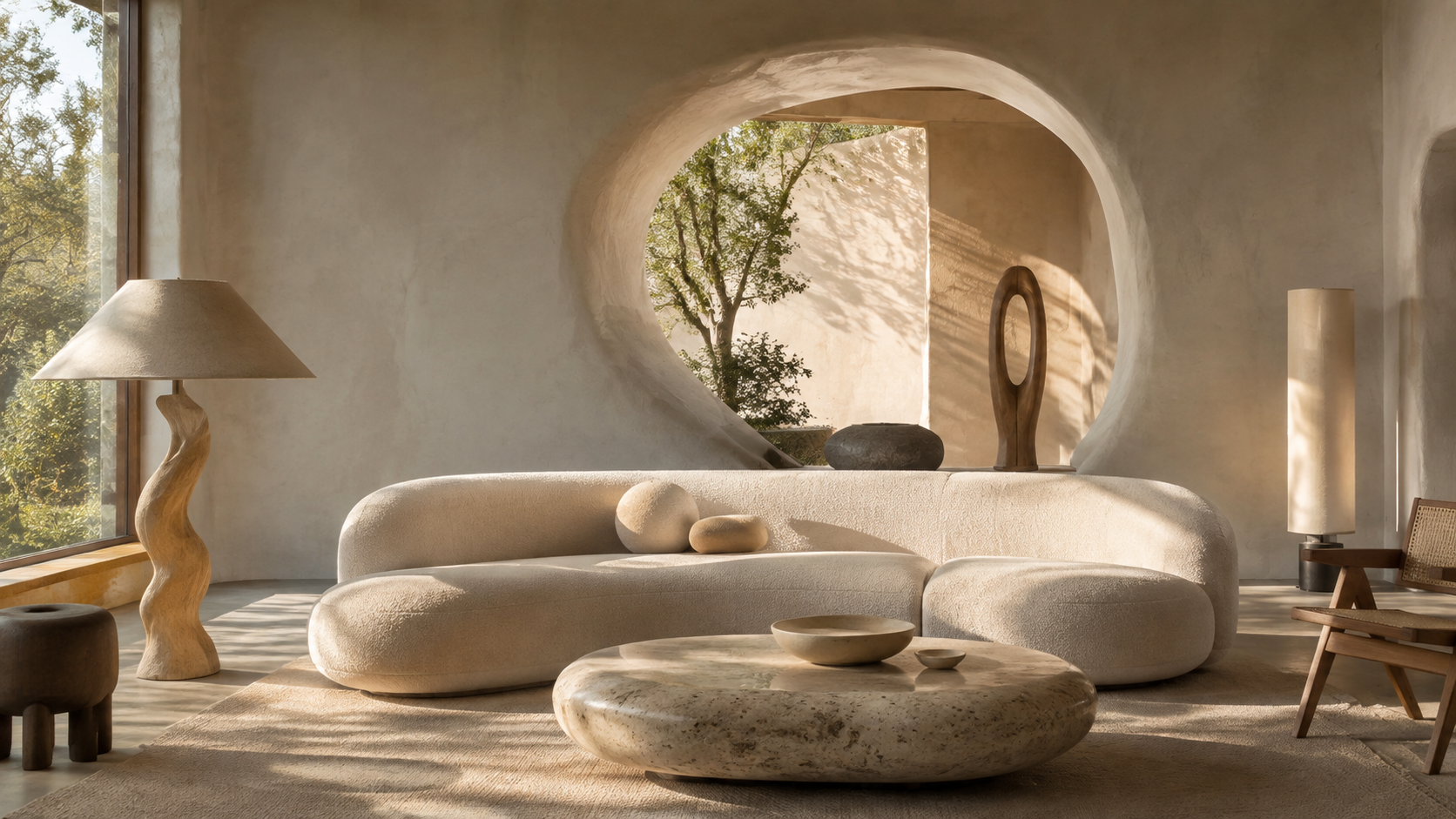
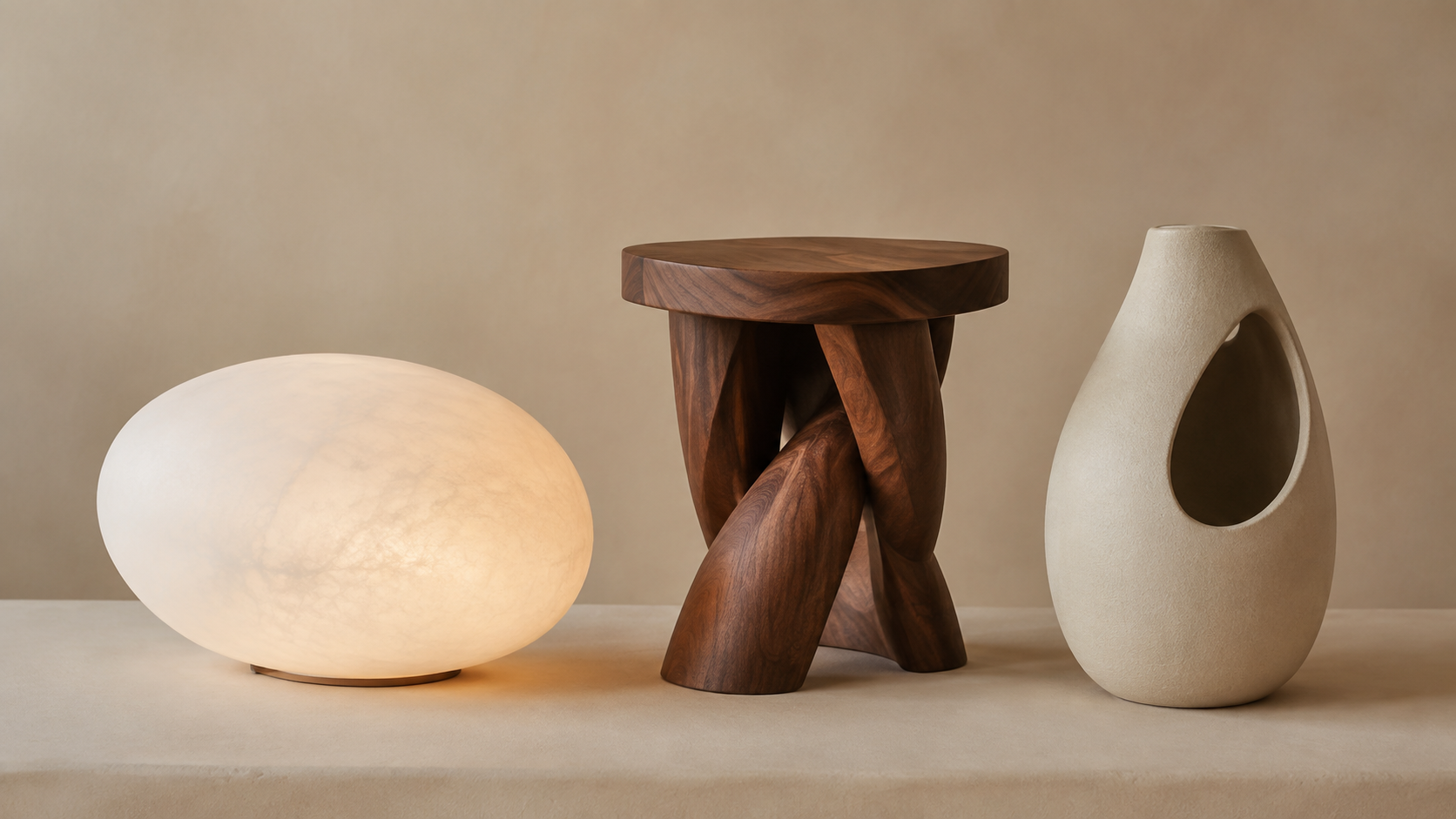
By the mid 1960s the curves had hardened into plastic and moved into Space Age Pop, and the movement's serious side went into organic architecture. What it left is a set of forms that still read as humane: the pebble, the kidney, the amoeba, the bent sheet, the shape that fits a hand. It is the reference for every soft-cornered object that wants to look modern and kind at the same time.