Electrochromic Glazing

Smart glass that tints on demand with an electrical signal, eliminating the need for blinds and dramatically changing a façade's character.

Move over it to light it
Finish
Light
ReadingsIn use 1909 to now
WeightIn between
WarmthCold to the touch
CostIn between
PermanenceIn between
PrecisionMachine-precise
CarbonModerate

Making one kilo releases about 1.8 kg of CO₂: glass plus a coating; operational savings can repay it.

It saysAdaptive intelligenceQuiet technologyResponsive comfort
Best for: Corporate towers, Smart buildings, High-performance facades.

01The building that proves it

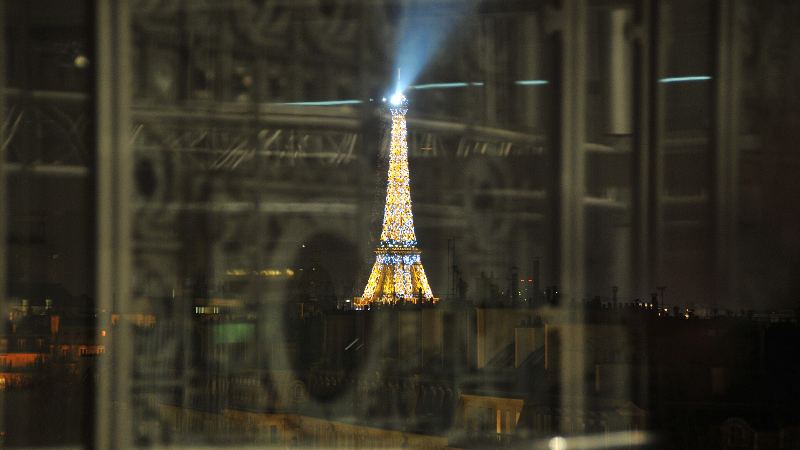
Institut du Monde Arabe, Paris
Photo: Serge Melki from Indianapolis, USA, CC BY 2.0, Wikimedia Commons
Institut du Monde Arabe
Jean Nouvel · Paris · 1987

Electrochromic Glazing here: the responsive-facade precedent: 240 light-sensitive apertures behind glass.

About the building ↗

02Try it on a board

Pick up to three materials to sit beside electrochromic glazing. The board shows the styles that use all of them, and writes a prompt you can take to an image or video generator.

Electrochromic GlazingCarbon Fibre Composite
Styles that use all of themArchitectural FuturismNeo-FuturismParametric Architecture
Setting
Scale
Light
Camera
Output

A house, on a dense urban street. Materials: electrochromic glazing that reads as adaptive intelligence, carbon fibre composite that reads as high-performance engineering. Golden hour, warm raking light. Eye level from across the street, 35mm. Architectural photograph, medium format, no people, no text.

03The styles built on it

Architectural FuturismNeo-FuturismParametric ArchitectureSustainable Architecture

04Questions

Which design styles use electrochromic glazing?

Architectural Futurism, Neo-Futurism, Parametric Architecture and Sustainable Architecture.

What goes well with electrochromic glazing?

Electrochromic Glazing pairs well with structural glass, anodized aluminum and polished concrete.

What does electrochromic glazing communicate?

Adaptive intelligence, Quiet technology and Responsive comfort. It suits corporate towers, smart buildings and high-performance facades.

What is the carbon footprint of electrochromic glazing?

Making one kilo of electrochromic glazing releases about 1.8 kg of CO₂, cradle to gate: glass plus a coating; operational savings can repay it.

05More glass

Plate GlassGlass BlockLeaded Art GlassStructural GlassETFE Membrane
Every materialOpen the materials sampler →
MarbleLimestoneGraniteTravertineBasaltSandstoneSlateStructural SteelCor-Ten SteelTitaniumCopperWrought IronAnodized AluminumChromeBronzeZinc CladdingCast IronPlate GlassGlass BlockLeaded Art GlassStructural GlassETFE MembraneElectrochromic GlazingOakTeakBambooCedarCLTReclaimed TimberBirch PlywoodPineFired BrickTerracotta TileAdobe BrickCeramic MosaicGlazed FaïenceRoman BrickPolychrome BrickRammed EarthHempcreteClay PlasterLiving Roof SubstrateExposed ConcreteBoard-Formed ConcretePolished ConcretePrecast Concrete PanelGlass-Fibre Reinforced ConcreteSprayed ConcreteFibreglass ShellCarbon Fibre CompositeAluminium Composite PanelTensile FabricPerforated Steel ScreenPolycarbonateVitrolitePorcelain Enamel Panel