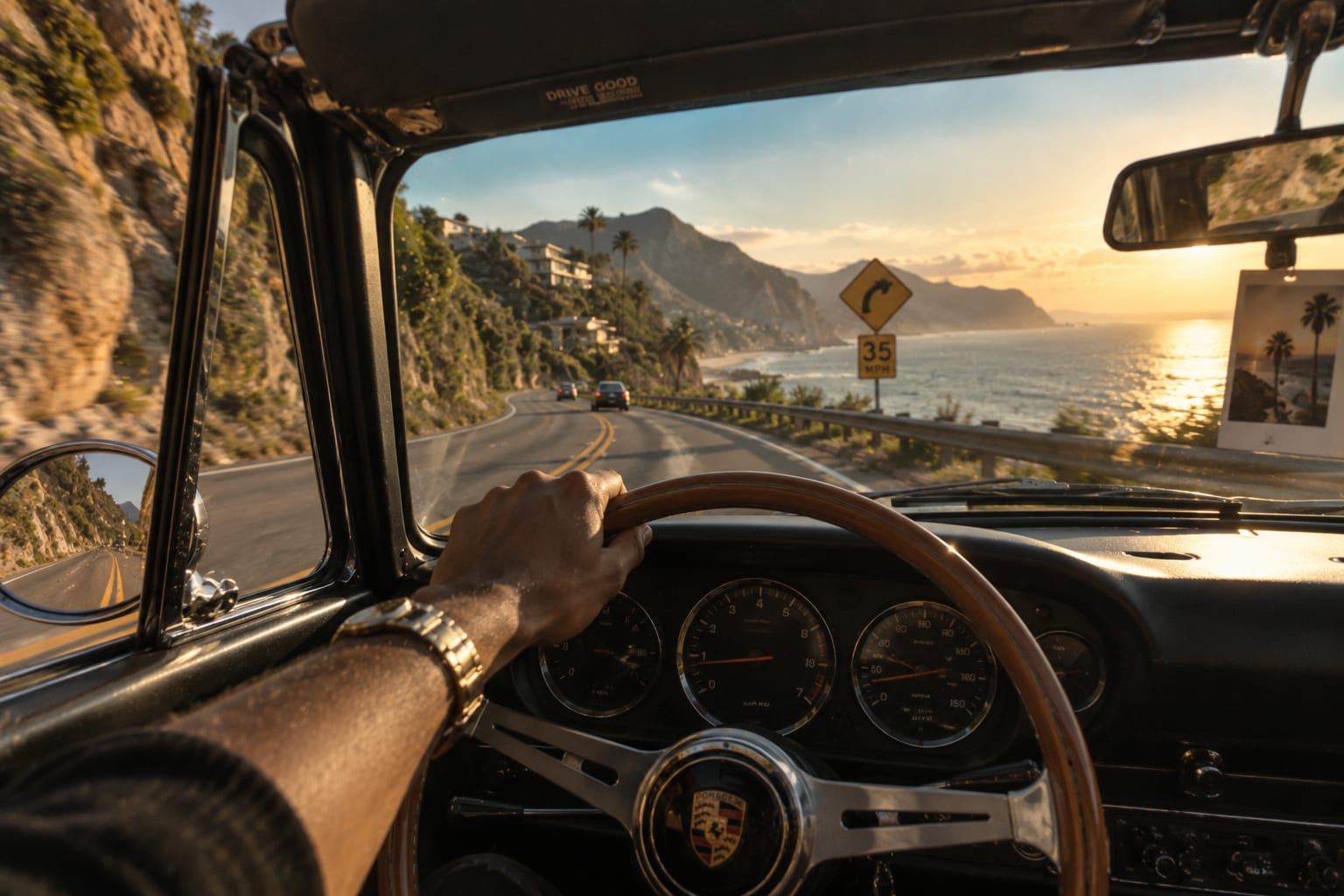
POV removes the observer altogether. There is no subject to look at because the viewer has become the subject, and the picture is whatever they are doing: holding a cup, opening a door, looking down at their shoes on the pavement. It is the most immersive camera position there is and the most limited, because it can only ever show what one person sees.
Try it
Move the strength and the camera moves. Change the lens and the field of view changes. Pick a subject and the direction is written for it.
0% · Near POV. Camera at the character's eye height looking where they look, with no part of their body in frame.
35% · Hands enter. Camera at eye height, tilted slightly down, the character's hands or feet entering the lower edge of the frame.
70% · Embodied. Camera at eye height on a wide lens, hands large in the lower frame doing something, the scene beyond at arm's length.
100% · Fully first person. Camera at the character's eyes with a wide lens and slight handheld sway, hands and belongings dominant in the near frame, the world seen entirely through their action.
The physical relationship between lens and subject, before any lens or light is chosen.
- Height
- At the character's eye height, whatever that is: standing, seated, lying down, a child, a dog.
- Vertical angle
- Wherever the character looks: down at hands, level at a face, up at a ceiling.
- Horizontal angle
- Wherever the character looks.
- Relationship
- Identity. The viewer is the character.
- Distance
- Hands are close; the world is at arm's length and beyond. The near-far ratio is what makes it read as a body.
Perspective, depth, scale and distortion: what changes in the picture when the camera is here.
- Perspective
- Ordinary human perspective, but with the body's own parts in the near foreground.
- Depth
- Strong by construction: hands or feet near the lens, the scene beyond.
- Scale
- The viewer's own scale; everything is measured against their hands.
- Distortion
- Wide lenses exaggerate the hands and feel most like eyes; normal lenses feel like a camera.
- Spatial feeling
- Embodied. The viewer is inside the picture, doing something.
What it tends to communicate
Tendencies, not laws. What the geometry usually reads as, and where that reading breaks.
POV is immersive when the action is desirable and unsettling when it is not: a hand reaching for coffee invites; a hand reaching for a door in the dark threatens. The same geometry is a hospitality advert and a horror film.
Use it for
- Lifestyle and hospitality: the guest's own experience
- Unboxing and product in use
- Driving and riding
- Food and drink being held or eaten
- Social-first content that mimics a phone
- Immersive narrative and horror
Less suited to
- Showing the character
- Architecture as form
- Anything that needs an external, objective view
- Fashion, except shoes and sleeves
It says
The same camera position asks for different things from a face, a shoe, a facade and a car.
The other person, seen as the character sees them: across a table, walking ahead, looking back. Never the character themselves.
Prompt phrasing
first-person view of another person across from the viewer, seen as the viewer sees them, the viewer's hands in the lower frame
The decisions that sit on top of the camera position and change what it produces.
How the lens changes it
Recommended: Wide, Normal. POV is framed by what the body is doing. Hands near the lens set a close-up scale over a medium-wide world.
- Ultra-wide · 14 to 20mm
- Feels most like eyes and most like a phone. Hands are large and the world sweeps; the GoPro register.
- Wide · 24 to 35mm
- The POV default: hands present, scene legible, a natural eye-like field.
- Normal · 40 to 60mm
- Calmer and more considered; reads slightly like a camera rather than eyes.
- Telephoto · 85 to 200mm
- Breaks the illusion; nobody's eyes are telephoto. Only for binocular or scope POV.
Composition
Which compositions this camera position rewards, and why the pairing works.
- Subject placement
- Whatever the hands are doing sits low in the frame; the world above it.
- Horizon
- Wherever the head is tilted. Often absent because the character is looking down.
- Foreground
- Hands, feet, a cup, a steering wheel, a phone. The body's own foreground is the device.
- Background
- The place the character is in, seen naturally.
- Negative space
- Rare; the frame is usually full of the near world.
- Geometry
- A bottom-weighted frame with limbs entering from the edges.
Light
- Natural, motivated light only; a POV that is visibly lit stops feeling like eyes.
- Window light over the shoulder onto the hands is the lifestyle POV standard.
- Screens, dashboards and practicals light the hands from the scene itself.
Motion
Gentle handheld sway reads as breathing and walking; a locked-off POV feels like a security camera.
A view is where the camera is. A movement is where it goes. They combine.
Read from the shot lists in each style's photo brief, not assigned by hand. A style is here because its own brief asks for this camera.
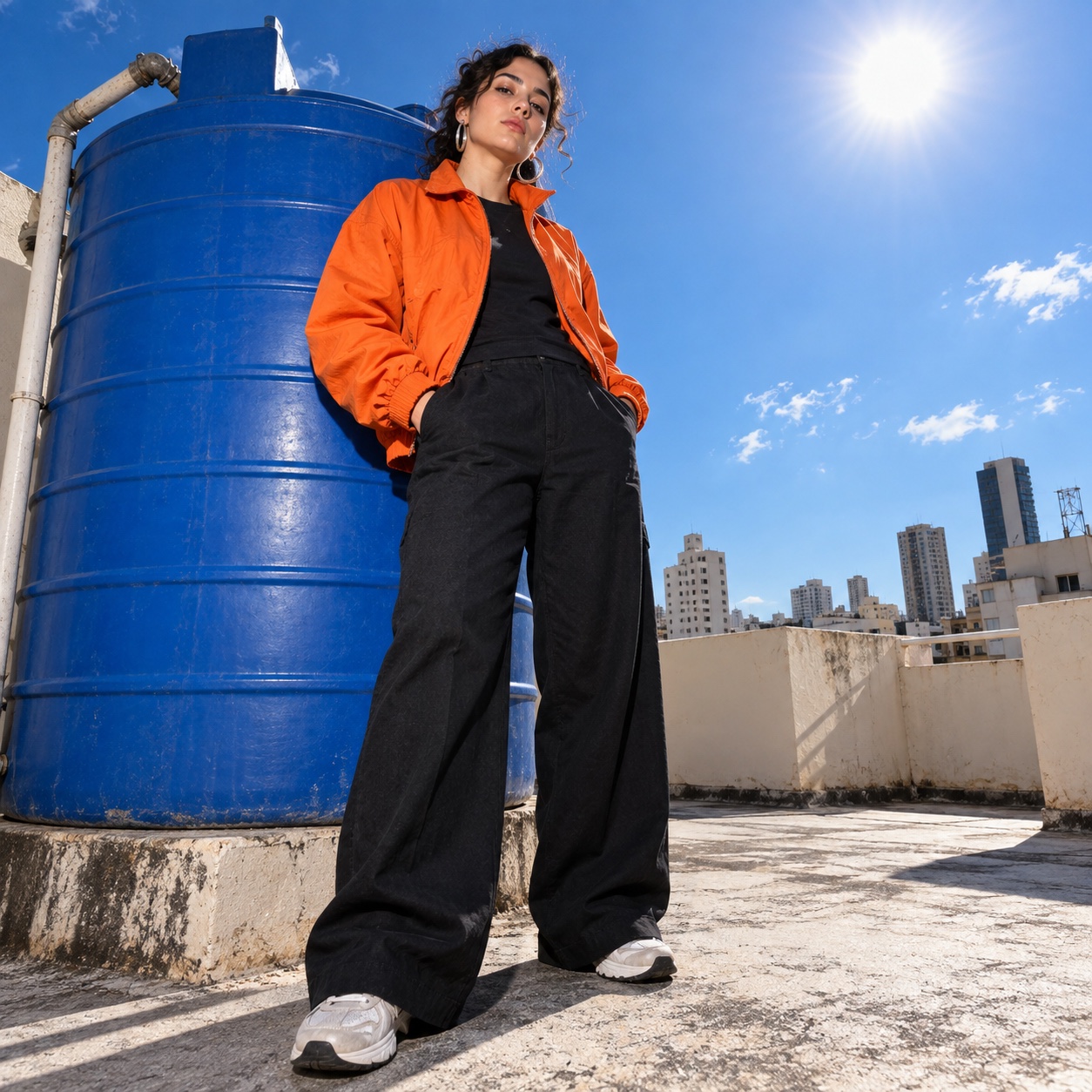
The failures that make this camera position read as an accident rather than a decision.
- The character's face appearing, which breaks the entire premise.
- Hands that float in the middle of the frame or enter from the top.
- A telephoto POV, which nobody's eyes have.
- Locked-off, tripod-steady POV that reads as CCTV.
- Using POV to show a subject who needed to be seen from outside.
Negative guidance for a model
Prompt language
Geometry, not labels. Models read camera words inconsistently; they read positions the same way every time.
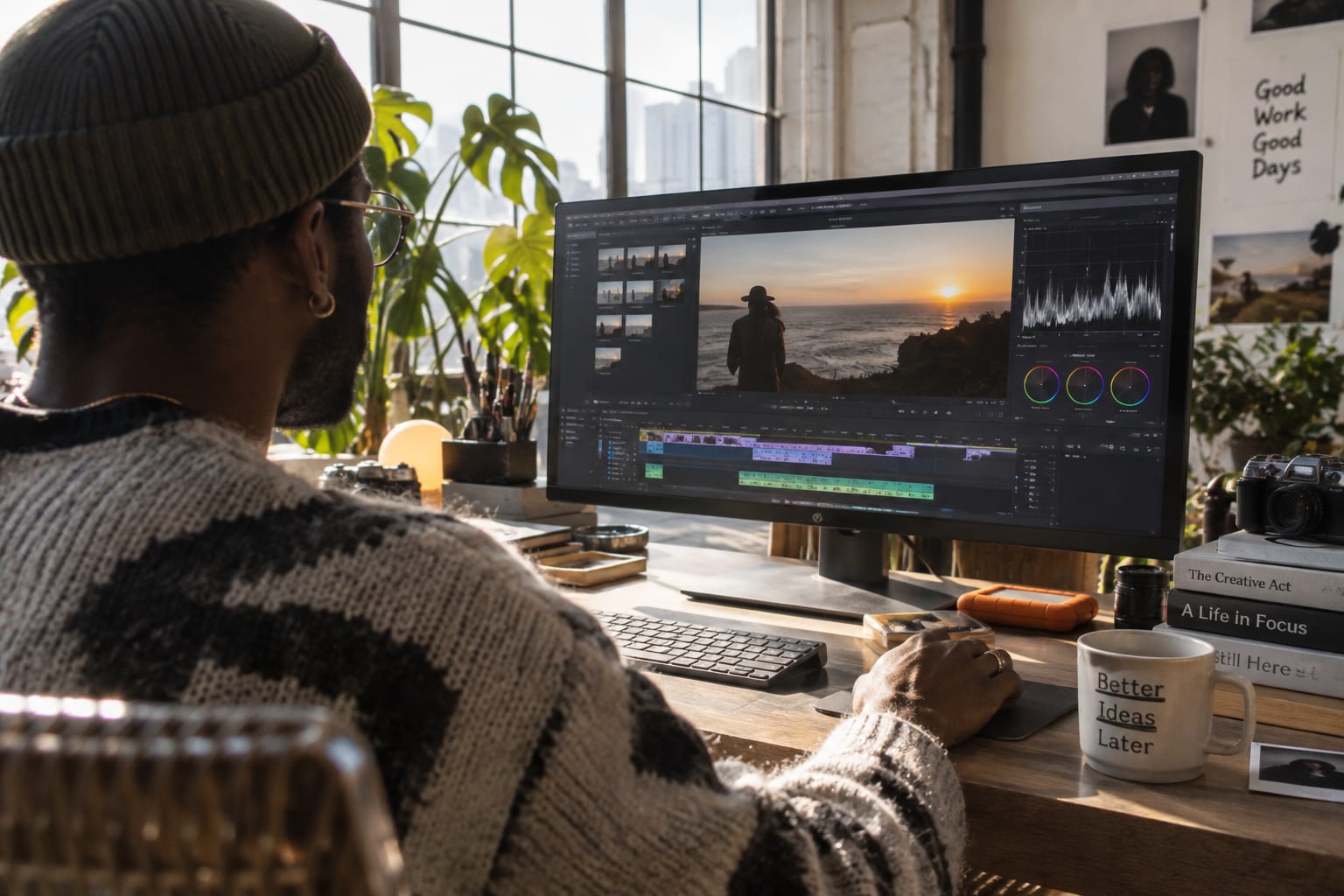
Nearby views
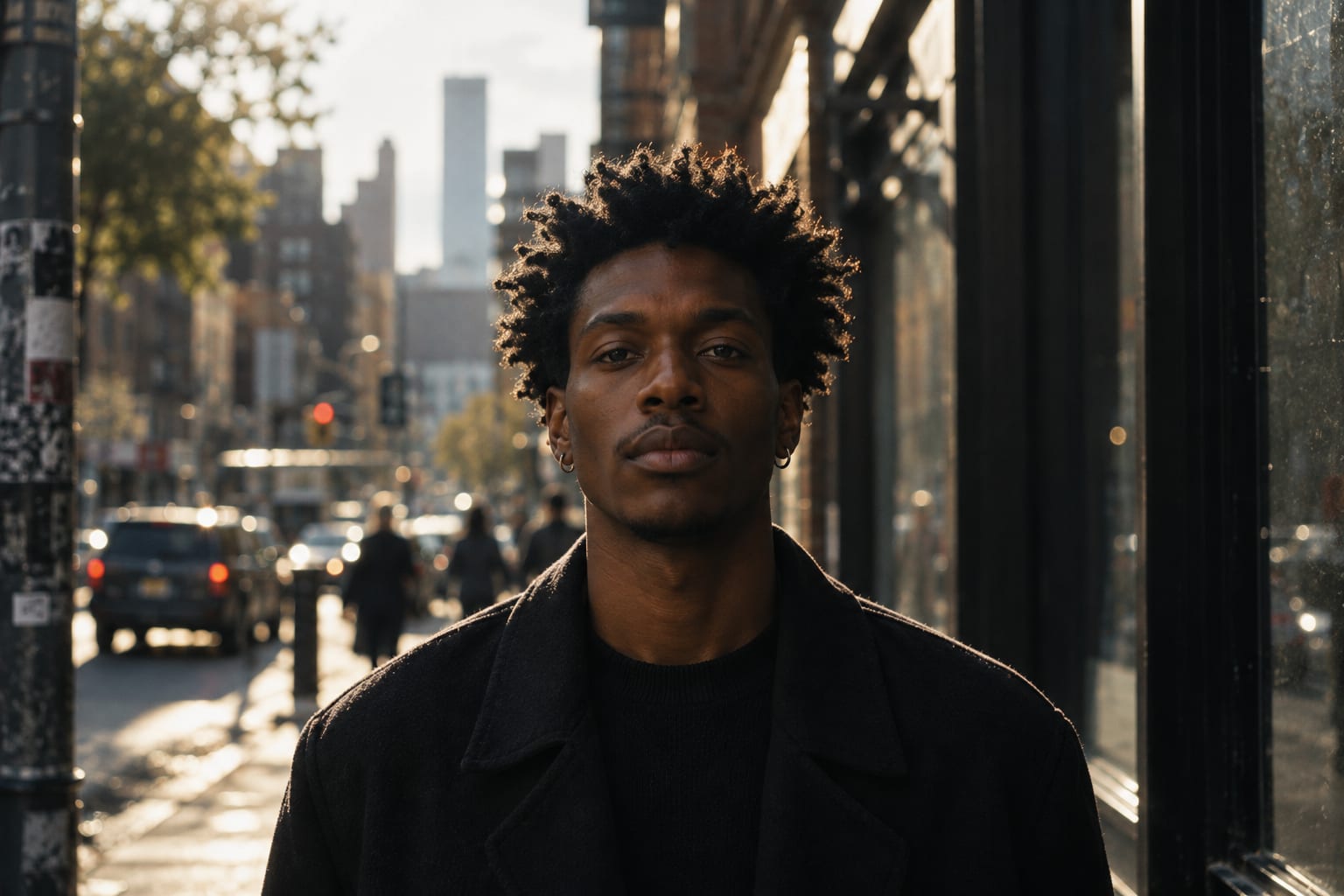
Contrast with
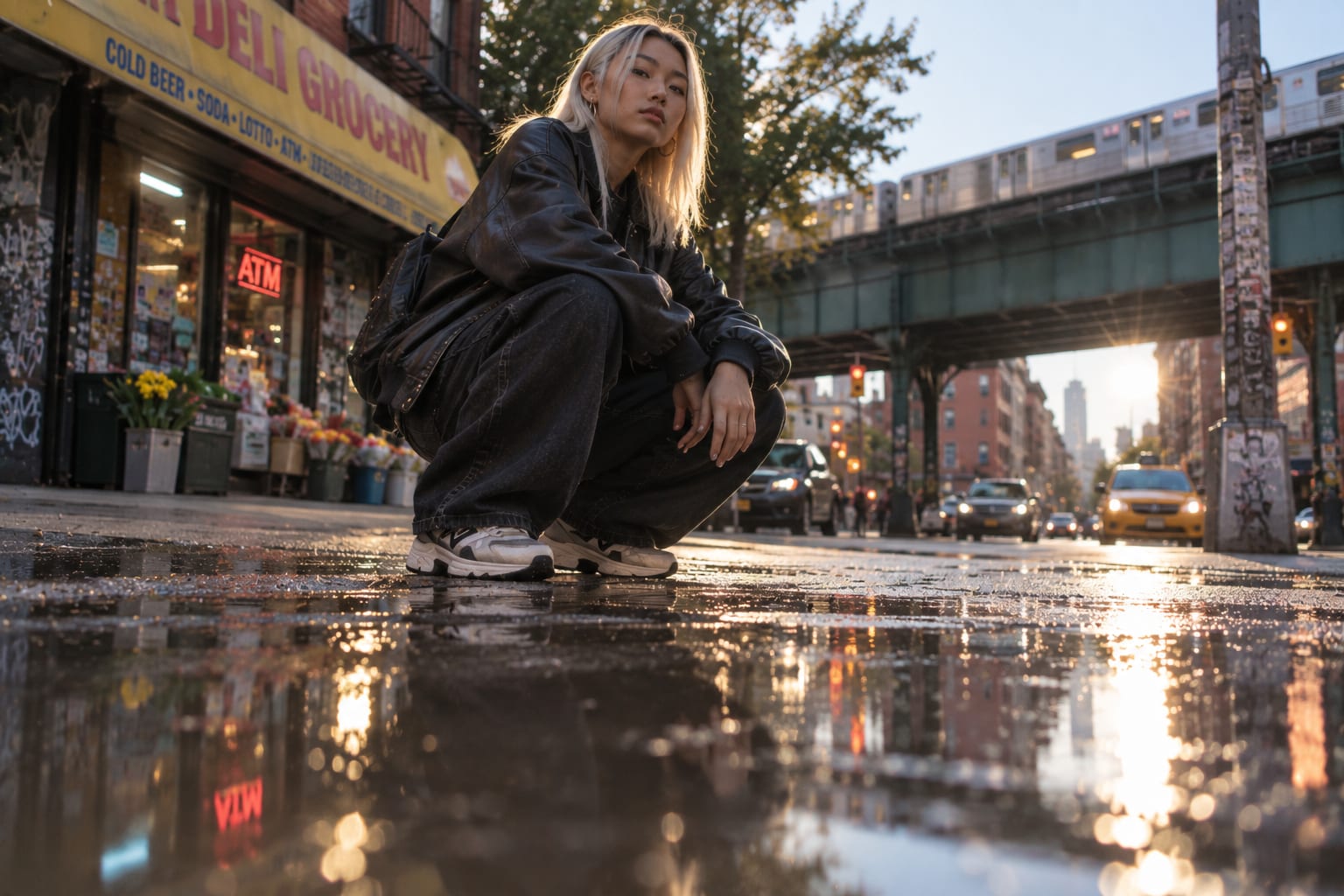
The opposite decisions. If this view is wrong for the picture, one of these is usually right.

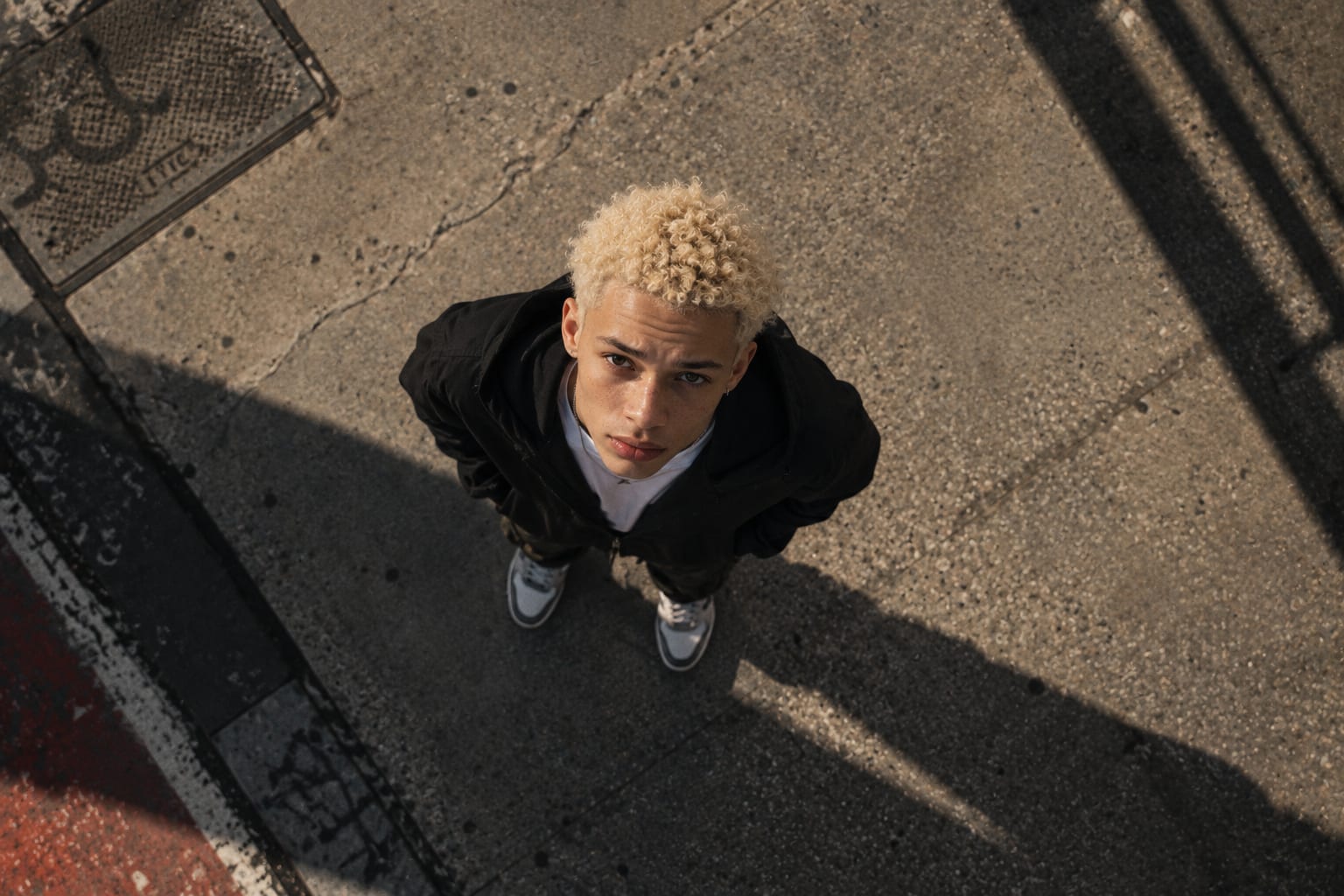
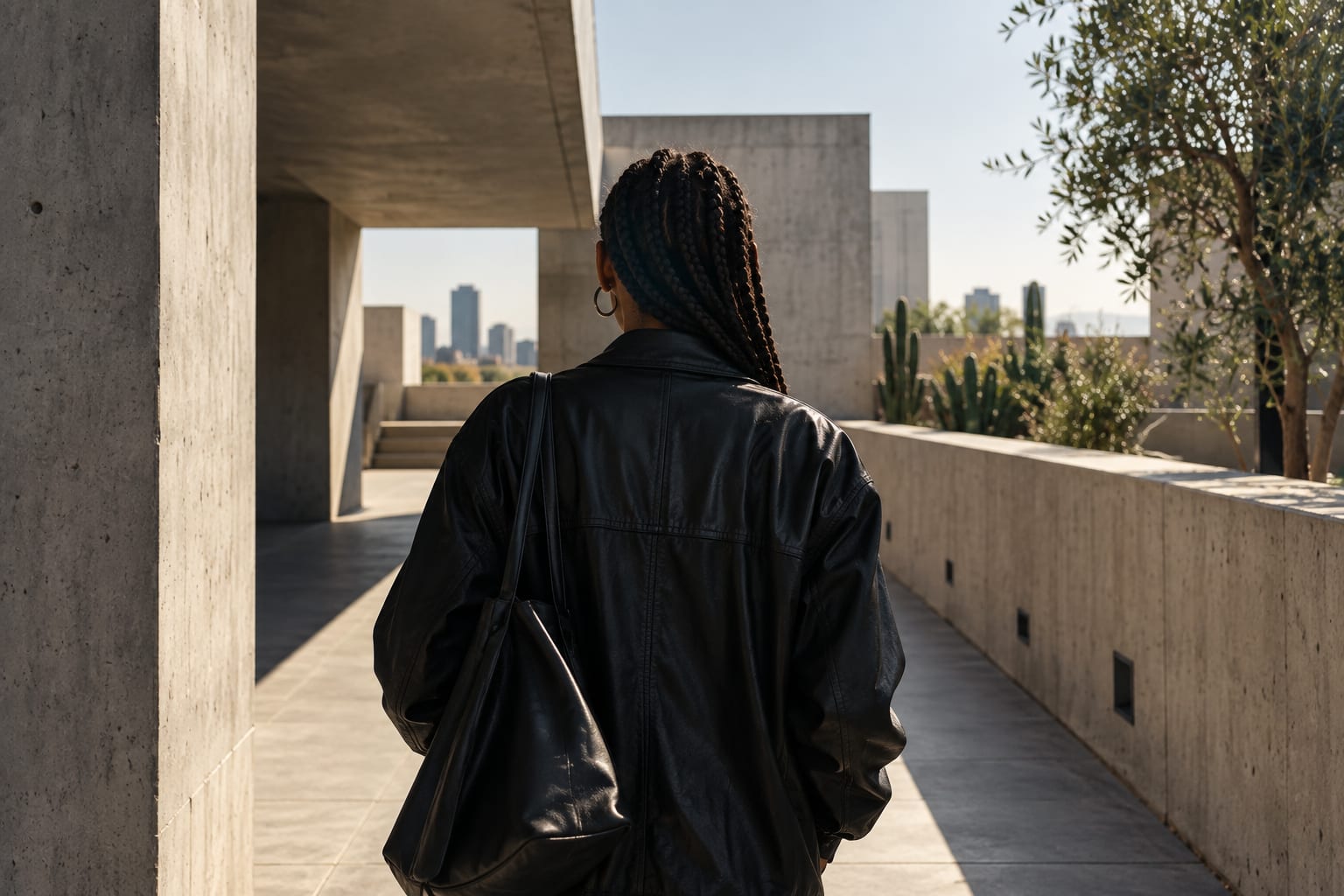
In the knowledge graph
Questions
What is a POV shot?
A camera placed where a character's eyes are, so the viewer sees exactly what that character sees. The character's own hands, feet or belongings usually enter the frame from the edges, which is what makes the picture read as a body rather than a camera.
What lens makes a POV feel real?
A wide lens, around 24 to 35mm, feels most like eyes: hands large, the world sweeping, the field of view close to human vision. A normal lens works but reads slightly like a camera. Telephoto breaks the illusion entirely.
How do I prompt an AI model for POV without it drawing the character?
Say first-person point of view, camera at the character's eyes, their own hands entering the lower frame, the character's face not visible, no third-person view. Models love to draw the character anyway, so the negative instruction matters.