
Three quarter is the angle that makes things look like things. Frontal flattens and profile outlines, but a quarter turn shows two faces at once and lets the viewer feel the depth between them. It is the default of portrait painting, of the product hero, of the car brochure, and of most of the photographs that have ever been taken of anything with a corner.
Try it
Move the strength and the camera moves. Change the lens and the field of view changes. Pick a subject and the direction is written for it.
0% · Frontal. Subject square to the lens; only the front face visible.
30% · Slight turn. Subject turned about 20 degrees; the side face just appears and the nose leaves the centre line.
60% · Classic three quarter. Subject turned about 45 degrees; front and side faces equally visible, both eyes in view, the corner leading.
100% · Deep three quarter. Subject turned about 65 degrees; the side face dominates, the far eye near the edge of the head, close to profile.
The physical relationship between lens and subject, before any lens or light is chosen.
- Height
- Usually eye level or the subject's midline; combines with mild high or low angles very naturally.
- Vertical angle
- Level by default.
- Horizontal angle
- About 45 degrees off the subject's front plane, anywhere from 30 to 60.
- Relationship
- Conversational. The subject is neither addressing nor ignoring the camera.
- Distance
- The near side grows with proximity; the far side shrinks. At a distance both stay proportionate.
Perspective, depth, scale and distortion: what changes in the picture when the camera is here.
- Perspective
- Two-point. The front face and the side face each recede to their own vanishing point.
- Depth
- Volume by construction: the corner where the two faces meet is the depth of the object.
- Scale
- True and dimensional. The subject occupies space rather than a plane.
- Distortion
- Mild with normal lenses; wide lenses enlarge the near side and make the corner sharp.
- Spatial feeling
- Solid, occupied, three-dimensional.
What it tends to communicate
Tendencies, not laws. What the geometry usually reads as, and where that reading breaks.
Three quarter is so familiar that it reads as neutral, which is its virtue and its weakness. It rarely misleads and rarely surprises.
Use it for
- Portraits that want flattery and depth
- Product heroes with a front and a side
- Cars, in the front three-quarter brochure view
- Buildings at their corner
- Furniture
- Almost anything where volume matters
Less suited to
- Symmetry
- Pure silhouette
- Plan views
- Typologies that require identical frontal framing
It says
The same camera position asks for different things from a face, a shoe, a facade and a car.
Both eyes visible, the nose off the centre line, one cheek turned away. The most flattering common angle, and the reason every portrait painter used it.
Prompt phrasing
three-quarter portrait, face turned about forty-five degrees, both eyes visible, nose off the centre line, one cheek turned away
The decisions that sit on top of the camera position and change what it produces.
How the lens changes it
Recommended: Normal, Telephoto. Three quarter works at every size, from a beauty close-up to a whole building.
- Ultra-wide · 14 to 20mm
- The near corner rushes forward and the far side vanishes; a car becomes a wedge.
- Wide · 24 to 35mm
- Adds drama to buildings and cars at the corner; stretches faces.
- Normal · 40 to 60mm
- True volume and pleasant proportion at two to three metres.
- Telephoto · 85 to 200mm
- Compresses the two planes toward each other; volume is quieter and the subject more graphic.
Composition
Which compositions this camera position rewards, and why the pairing works.
- Subject placement
- Offset toward the side it faces away from, so the near side has room and the gaze has space.
- Horizon
- Level, behind the subject.
- Foreground
- The near corner leads; anything closer to the lens should be out of the way.
- Background
- Recedes on two sides, so backgrounds gain depth automatically.
- Negative space
- Room on the side the subject faces. The picture breathes in front of the near face.
- Geometry
- Two receding planes meeting at a leading edge. A wedge, a corner, a cube seen from its corner.
Light
- Short lighting, keyed from the side the face turns away from, slims and sculpts; broad lighting, keyed from the near side, widens and flatters round faces less.
- A key on one plane and a fill on the other separate the two faces of an object and make the corner read.
- Backlight on the far edge outlines the receding side.
Motion
An orbit that passes through three quarter is the standard product and car reveal: the subject turns in the round.
A view is where the camera is. A movement is where it goes. They combine.
Read from the shot lists in each style's photo brief, not assigned by hand. A style is here because its own brief asks for this camera.

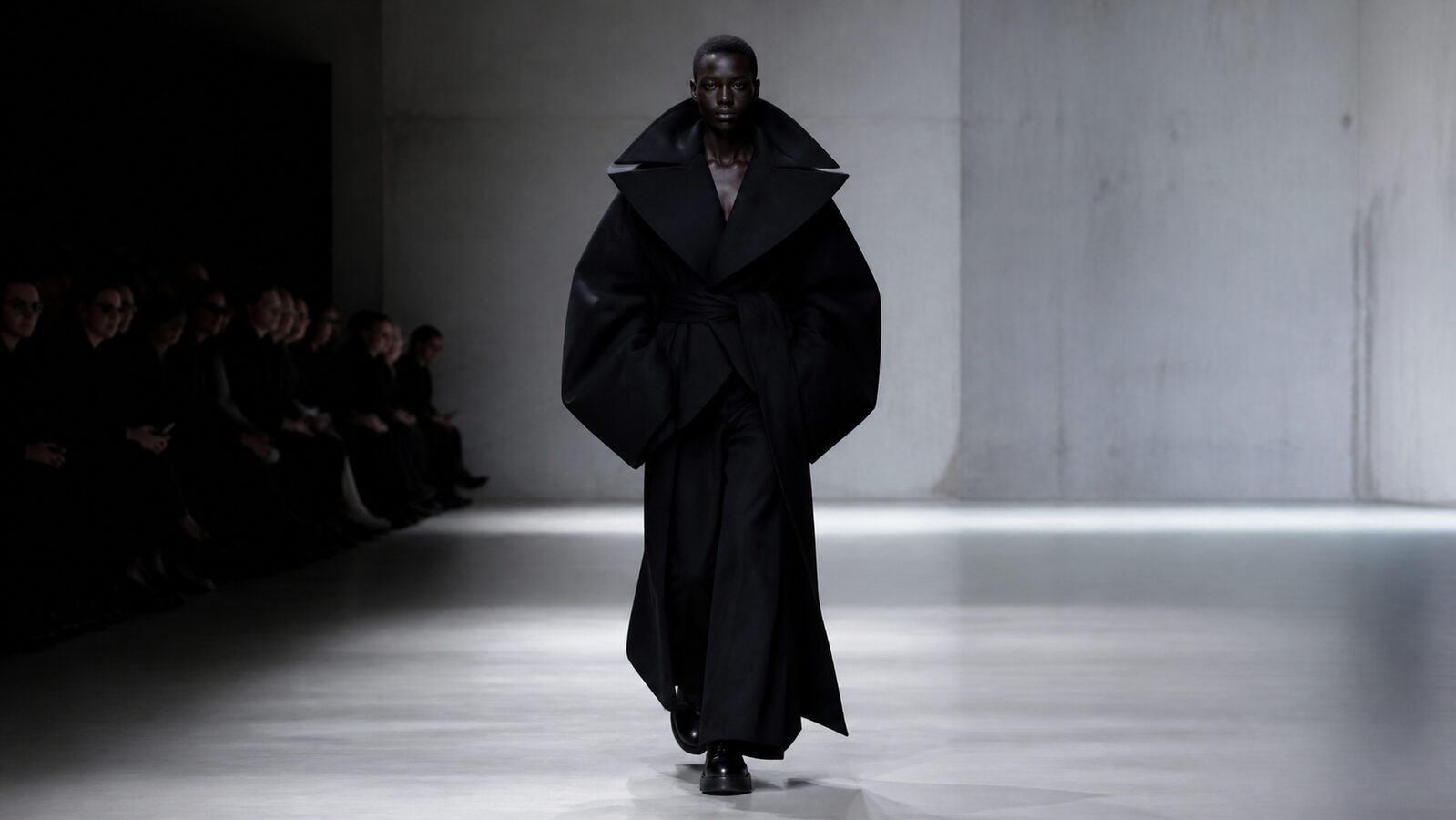
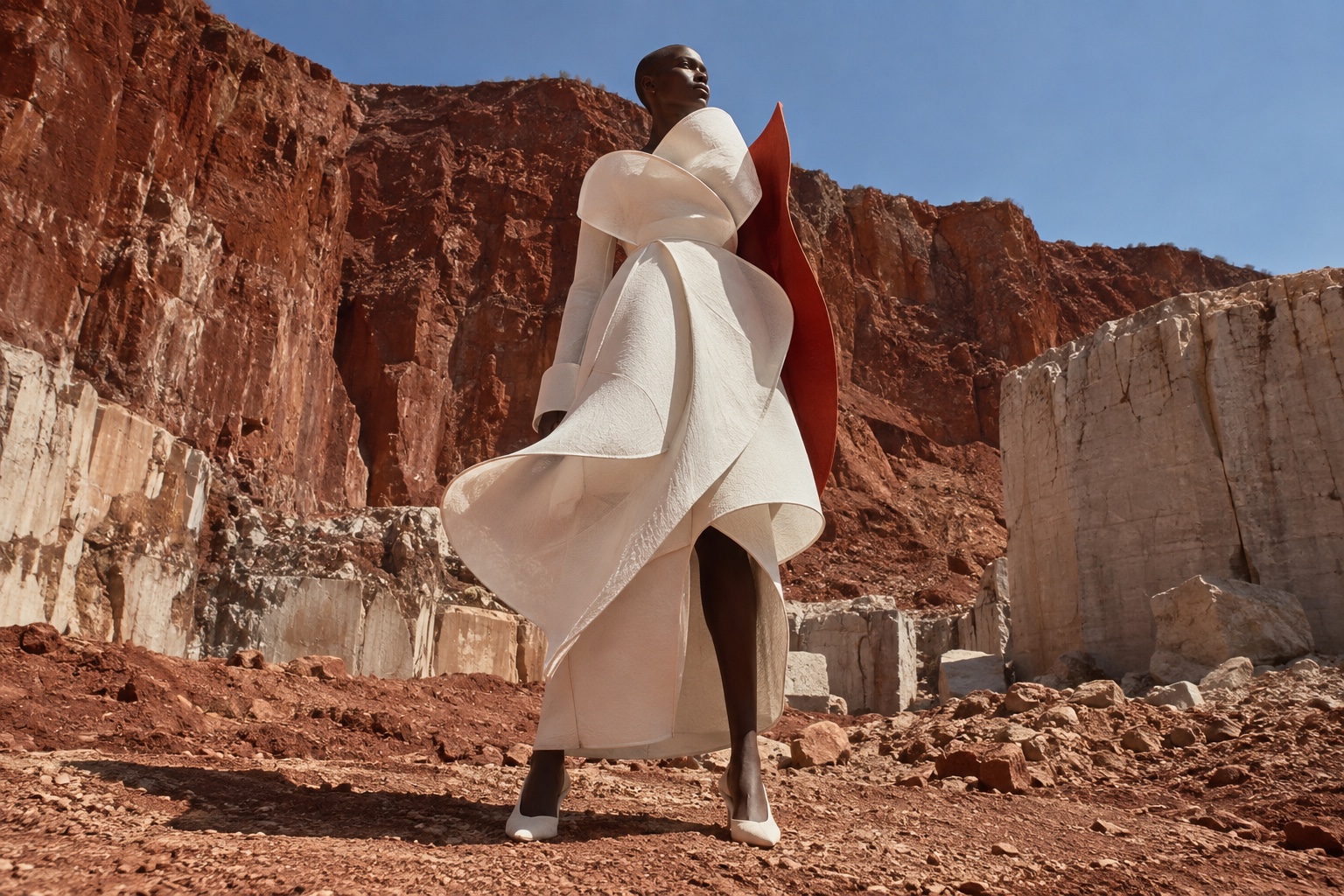

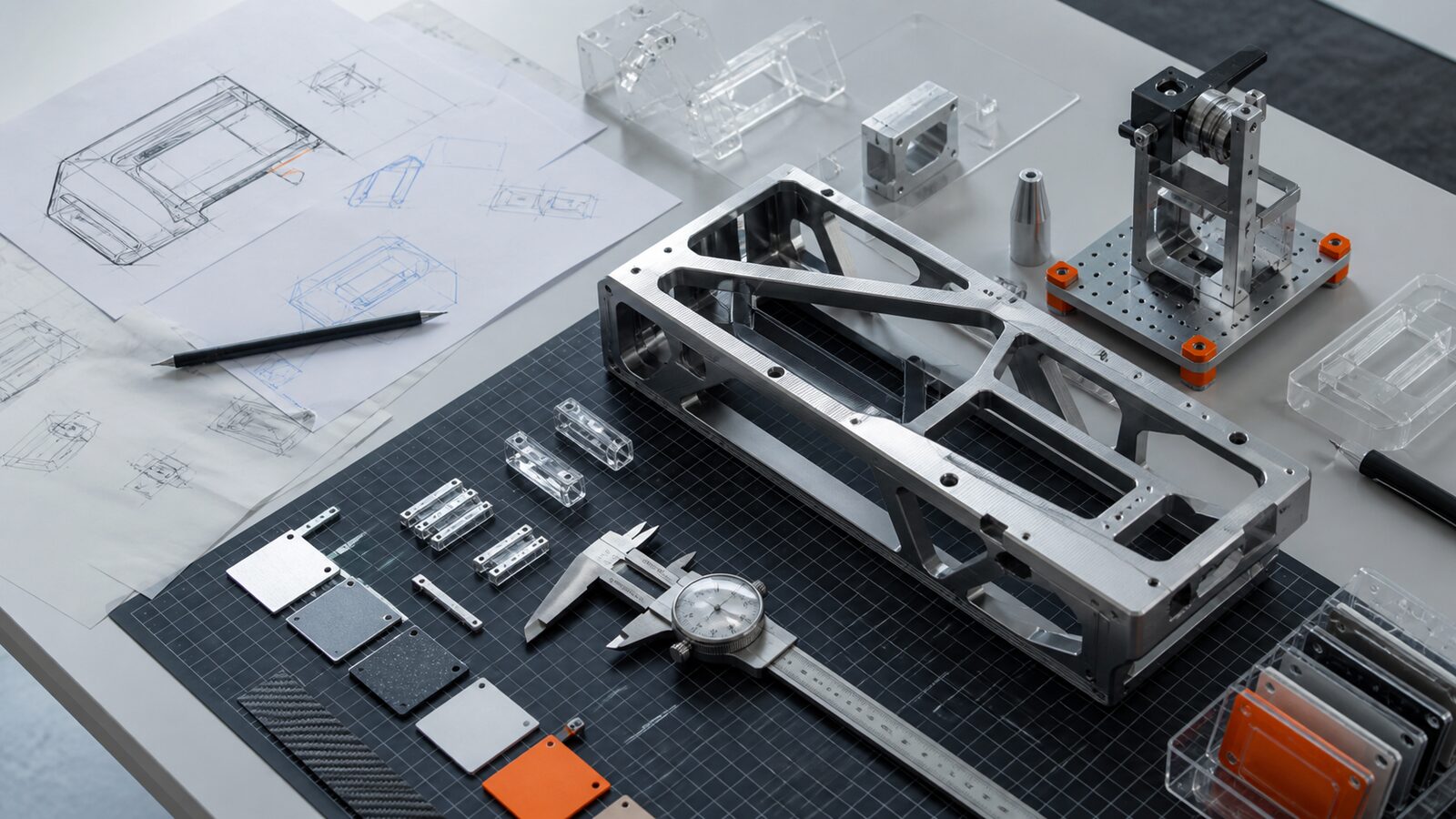

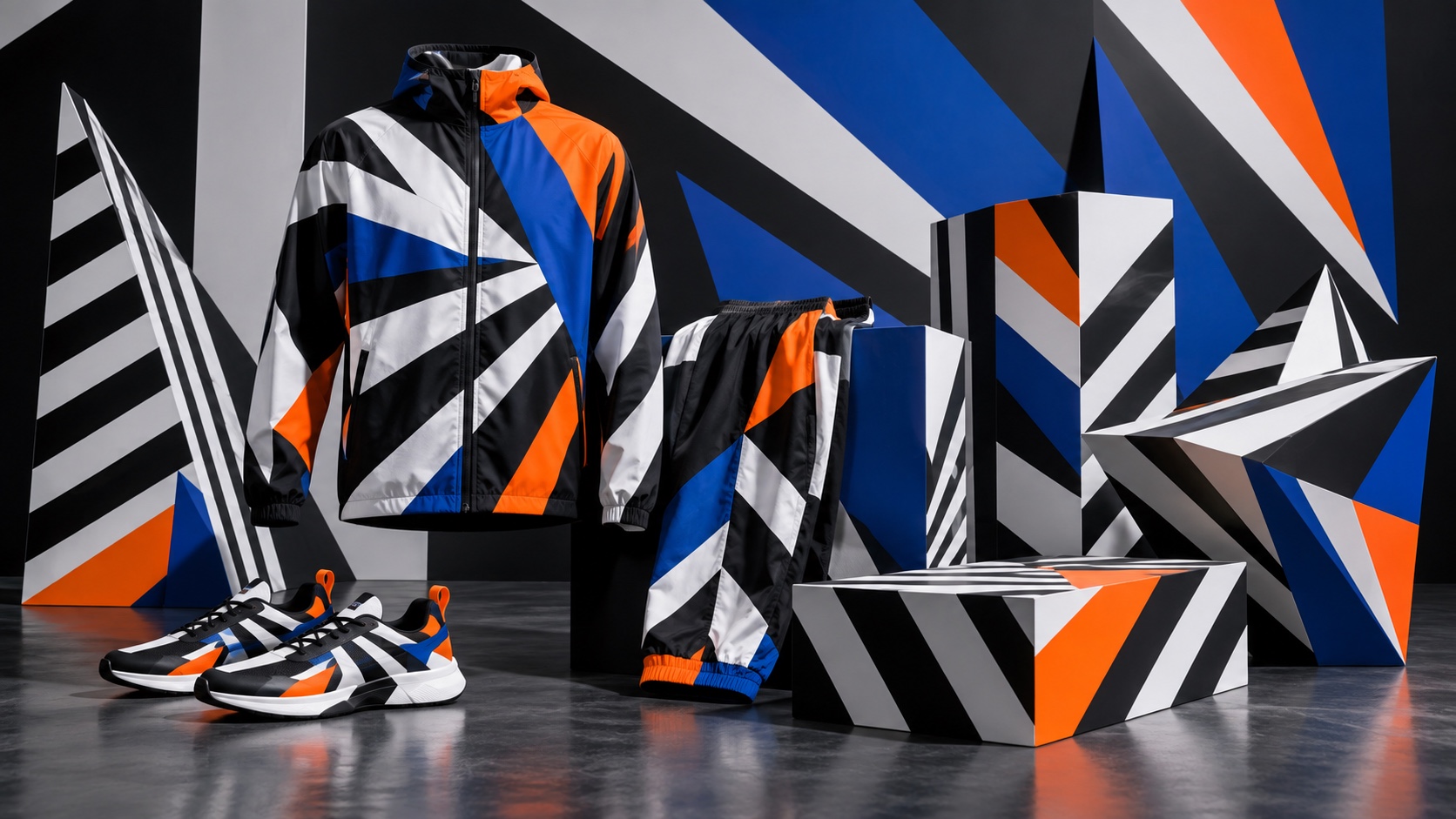
The failures that make this camera position read as an accident rather than a decision.
- Defaulting to it without thinking. Three quarter is safe, which is why it is everywhere.
- The far eye sliced by the edge of the nose in a deep three-quarter portrait.
- A near wheel or near cheek ballooning on a wide lens.
- A corner view of a building where one facade is in shadow and the other blown out.
Negative guidance for a model
Prompt language
Geometry, not labels. Models read camera words inconsistently; they read positions the same way every time.
Nearby views
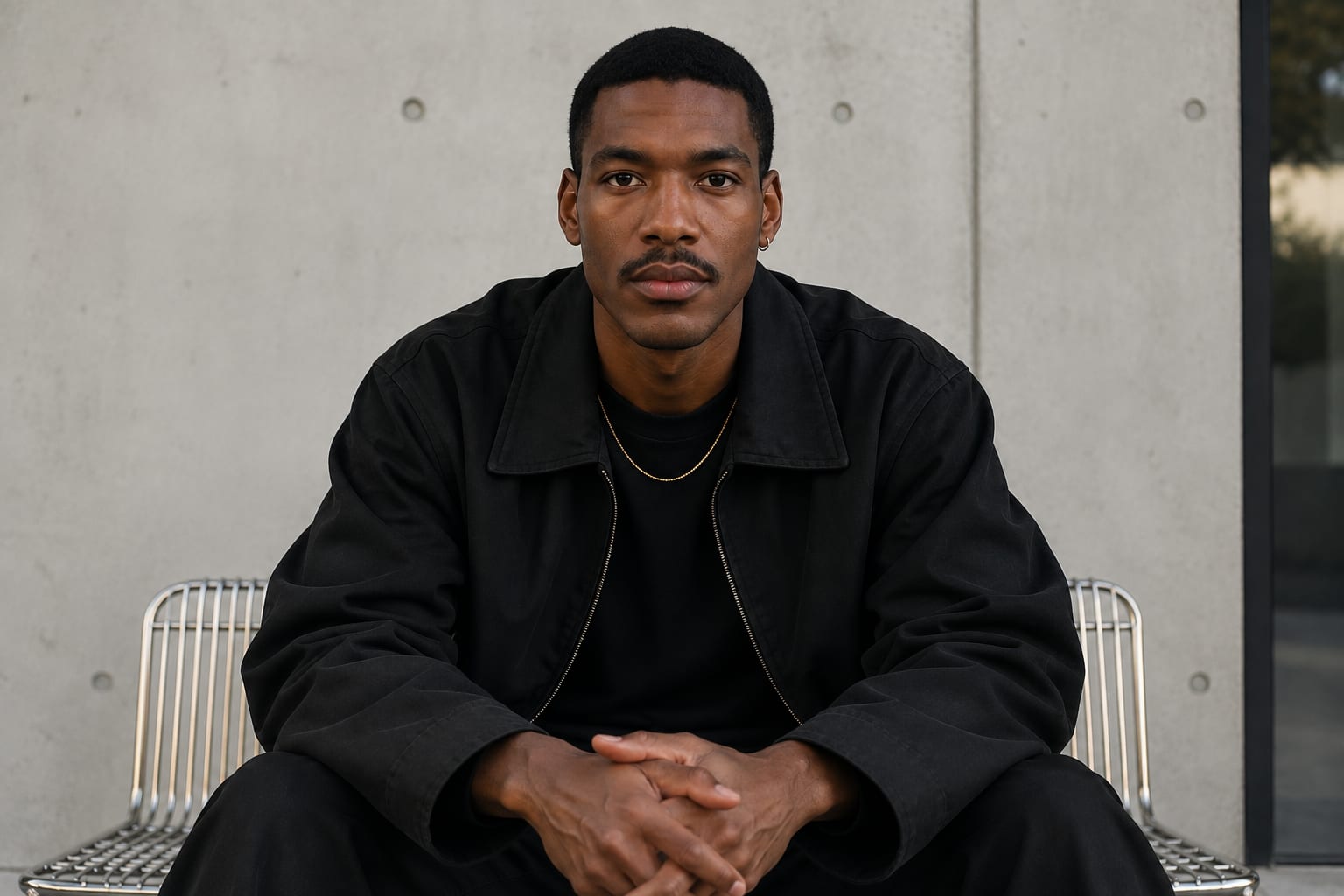

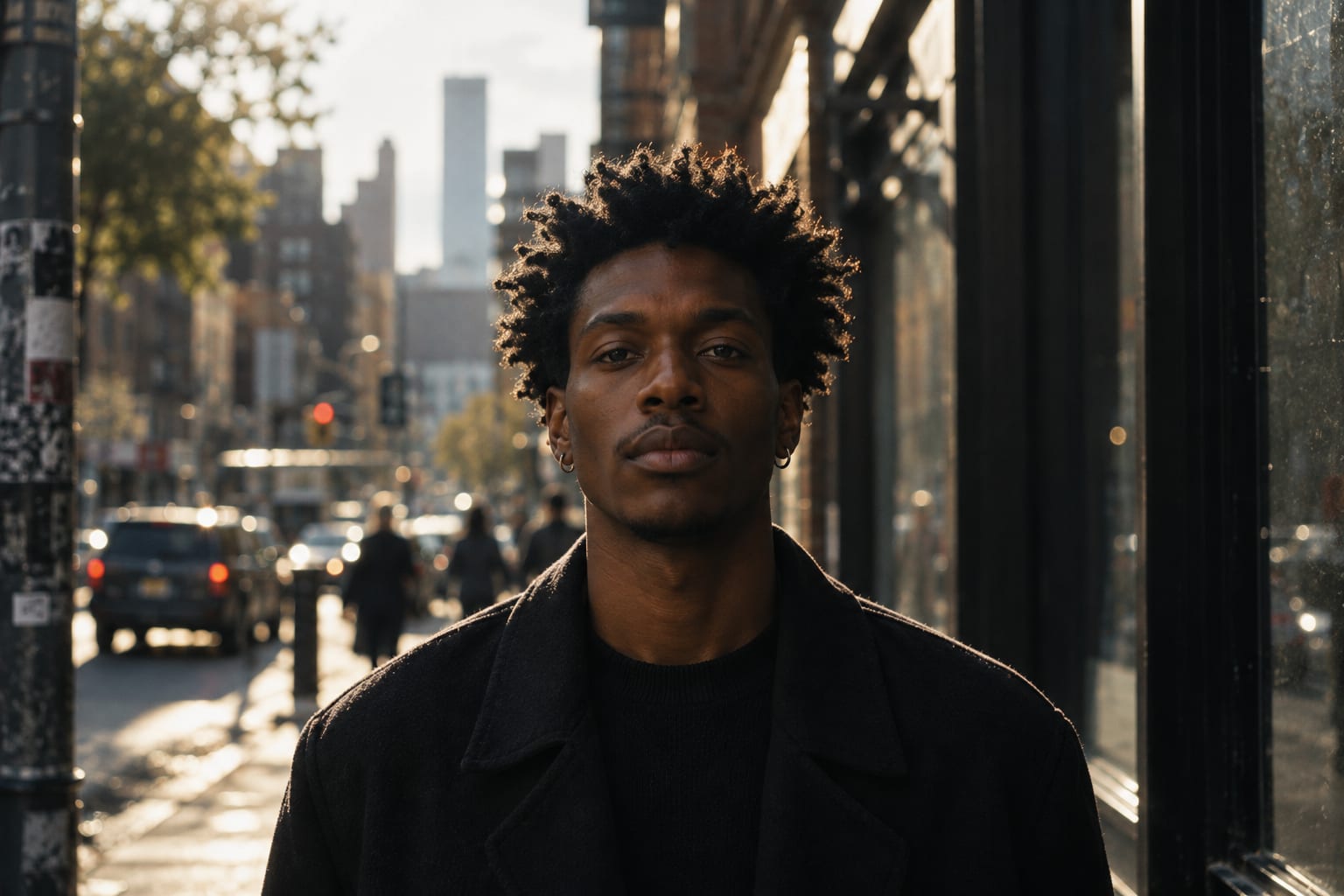
Contrast with
The opposite decisions. If this view is wrong for the picture, one of these is usually right.

In the knowledge graph
Questions
Why is the three-quarter view so common in portraits?
Because it shows both eyes and the depth of the face at once. The nose leaves the centre line, one cheek turns away and the face gains volume, which is flattering to almost everyone. Painters used it for the same reason for five hundred years.
What is the difference between front three-quarter and rear three-quarter?
Both turn the subject about 45 degrees, but front three-quarter shows the face or grille and one flank, while rear three-quarter shows the back and one flank. Cars use both: the front for the face, the rear for the haunches.
How much should I turn the subject?
Between 30 and 60 degrees, with 45 as the standard. Less than 30 reads as almost frontal; more than 60 approaches profile and the far eye starts to disappear behind the nose.