
Over shoulder borrows a viewpoint without becoming it. The shoulder in the corner says someone is here, looking, and the viewer stands at their side. It is the grammar of conversation in film, and in stills it turns a scene into a relationship: a person and what they face, a hand and the work it does, a driver and the road.
Try it
Move the strength and the camera moves. Change the lens and the field of view changes. Pick a subject and the direction is written for it.
0% · Beside. Camera beside the foreground figure with no part of them in frame; the viewer simply shares their direction.
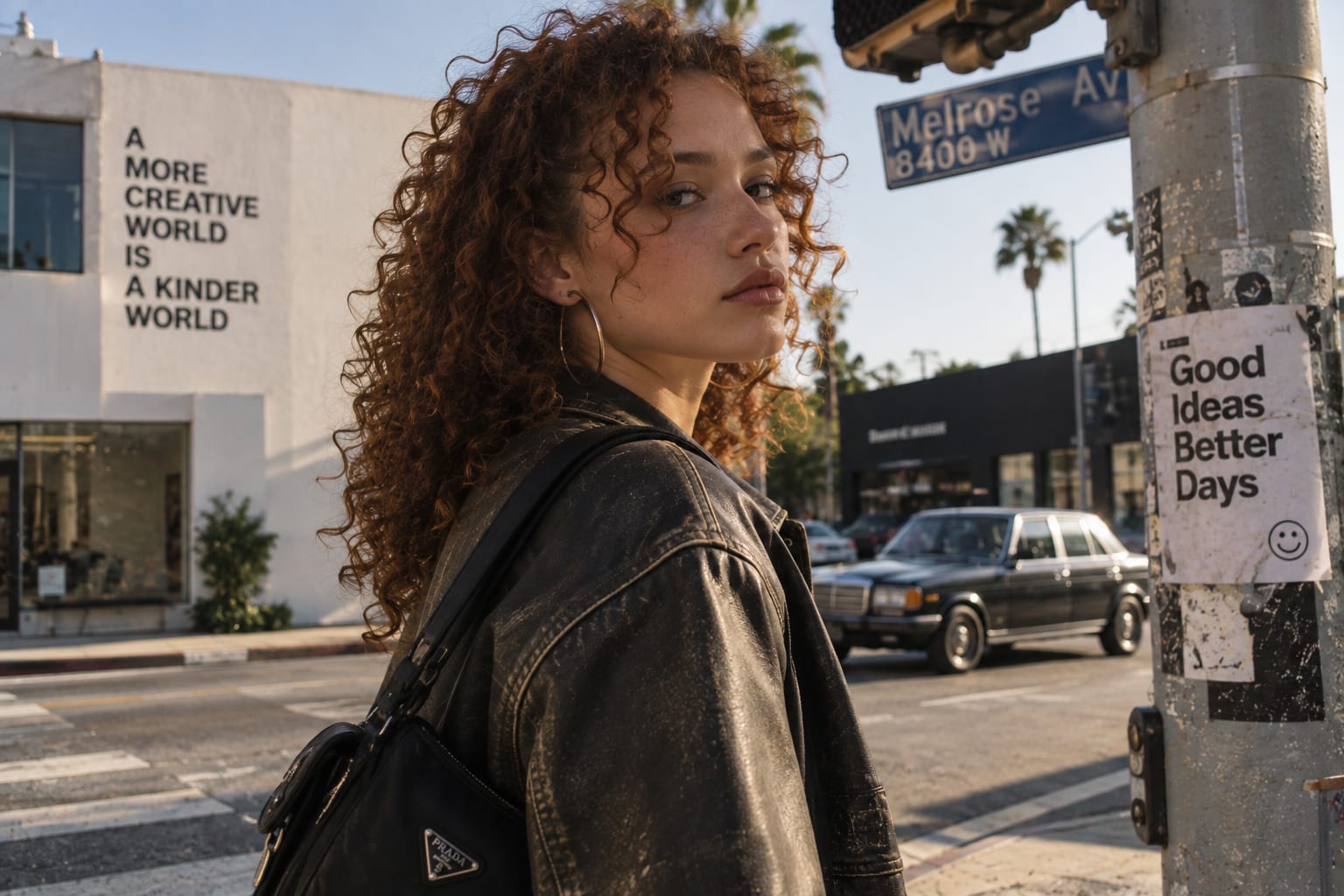
30% · Hint of shoulder. A sliver of shoulder or hair at one frame edge, out of focus, just enough to place a witness.
60% · Classic over shoulder. Camera just behind and beside the foreground figure; shoulder and back of head fill about a third of one side, the far subject sharp beyond.
100% · Deep over shoulder. Camera close behind the foreground figure, their head and shoulder filling nearly half the frame as a dark soft mass, the subject seen through the gap.
The physical relationship between lens and subject, before any lens or light is chosen.
- Height
- At or just above the foreground subject's shoulder.
- Vertical angle
- Level or slightly down, following the foreground subject's own gaze.
- Horizontal angle
- Offset to one side of the foreground subject's head, looking past it.
- Relationship
- Companion. The viewer stands beside the foreground figure and shares their direction of attention.
- Distance
- The shoulder is close and soft; the true subject is further away and sharp. The gap between them is the depth of the picture.
Perspective, depth, scale and distortion: what changes in the picture when the camera is here.
- Perspective
- Ordinary, but framed. The near shoulder is a dark mass in one corner that the rest of the scene is seen past.
- Depth
- Layered by construction: a near plane, a far plane, and the space between.
- Scale
- The foreground shoulder is large and the subject is small, which reinforces that the viewer is close to the one and looking at the other.
- Distortion
- Wide lenses enlarge the shoulder and head into a blob; longer lenses keep it a clean edge.
- Spatial feeling
- Present and partial. The viewer is in the scene but only partly sees it.
What it tends to communicate
Tendencies, not laws. What the geometry usually reads as, and where that reading breaks.
The reading depends on whose shoulder it is. Over a friend's shoulder is companionship; over a stranger's is eavesdropping; over a guard's is surveillance.
Use it for
- Two-person scenes
- Craft, cooking and making: hands and the work
- Travel and lifestyle: the person and the view
- Screens and documents seen past the user
- Automotive interiors: driver and road
- Adding a human presence to an environment shot
Less suited to
- Single formal portraits
- Product that needs an unobstructed view
- Architecture
- Anything that must be symmetric
It says
The same camera position asks for different things from a face, a shoe, a facade and a car.
The relationship between two people, or between one person and what they face. The foreground figure is a frame; the far face carries the expression.
Prompt phrasing
over-the-shoulder shot of two people, the foreground figure's shoulder soft at the frame edge, the other person's face sharp beyond
The decisions that sit on top of the camera position and change what it produces.
How the lens changes it
Recommended: Normal, Telephoto. The framing is set by the far subject; the shoulder is a fixed device in one corner at any size.
- Ultra-wide · 14 to 20mm
- The shoulder becomes a huge blur and the subject a speck. Avoid.
- Wide · 24 to 35mm
- Works for interiors and cars where the environment matters and the shoulder can stay small.
- Normal · 40 to 60mm
- A natural over-shoulder with clean separation at two to three metres.
- Telephoto · 85 to 200mm
- The cinematic pairing: the shoulder a soft dark edge, the subject compressed toward it and sharply separated.
Composition
Which compositions this camera position rewards, and why the pairing works.
- Subject placement
- The foreground figure occupies one edge, usually a third of the frame; the true subject sits in the remaining two thirds, often on the opposite third line.
- Horizon
- Usually level and often hidden behind the figures.
- Foreground
- The shoulder and the back of the head are the foreground: soft, dark, a frame within the frame.
- Background
- The subject's own setting, beyond them. Depth of field decides how much of it reads.
- Negative space
- The gap between the shoulder and the subject. Too little and they merge; too much and the relationship breaks.
- Geometry
- An L or a bracket: the foreground mass in one corner cradling the scene.
Light
- Keep the shoulder darker than the subject so it reads as a frame rather than competing.
- Light the far subject as the picture's key; the foreground figure needs only a rim.
- Backlight on the foreground head separates it from the scene and stops it merging into a dark background.
Motion
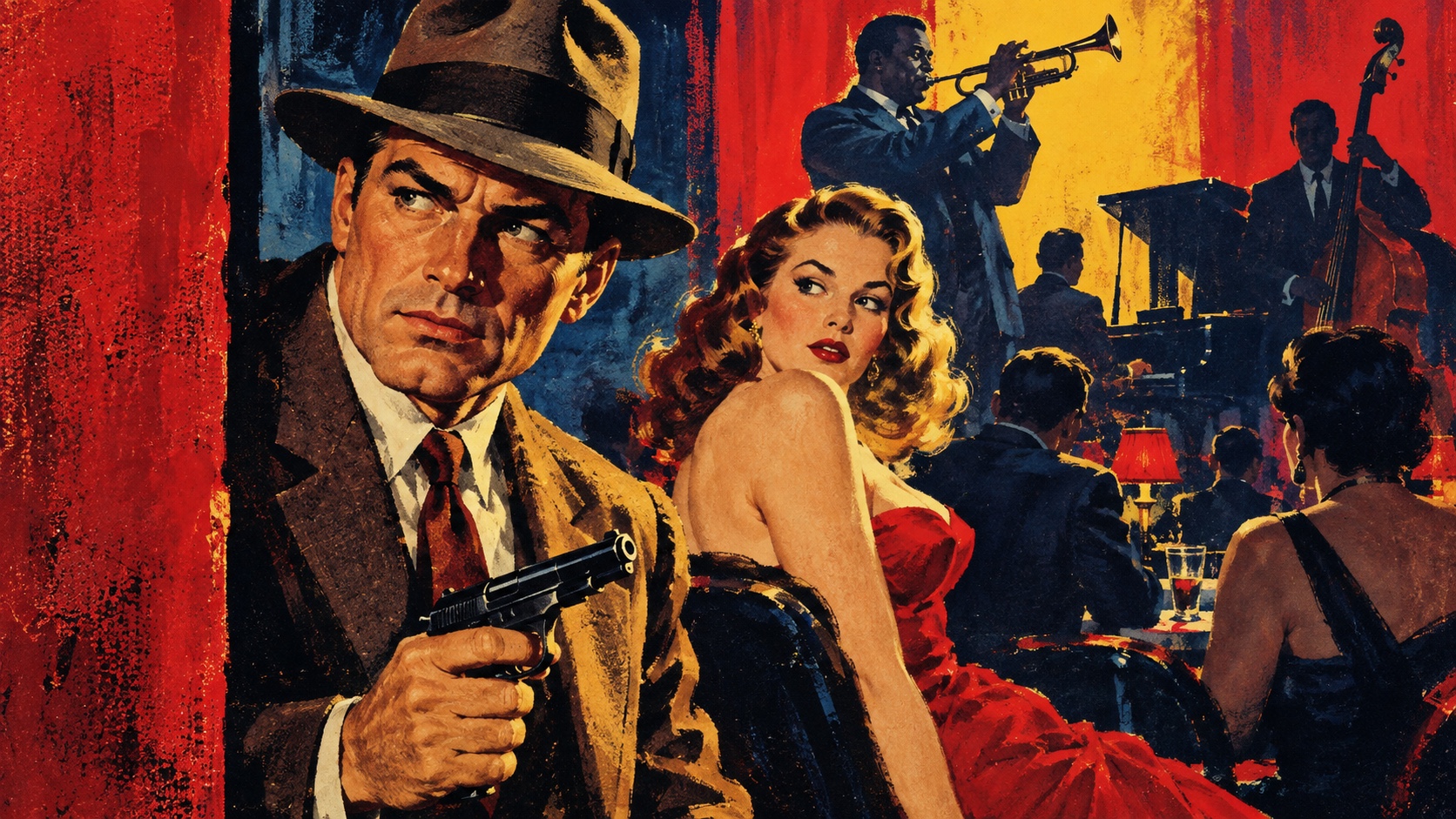
A handheld follow over a shoulder is the vocabulary of walking-and-talking scenes and of immersive documentary.
A view is where the camera is. A movement is where it goes. They combine.
Read from the shot lists in each style's photo brief, not assigned by hand. A style is here because its own brief asks for this camera.

The failures that make this camera position read as an accident rather than a decision.
- A shoulder that covers the subject. The gap is the picture.
- A foreground figure so blurred it reads as a smudge rather than a person.
- Mismatched eye lines: the foreground figure looking left while the camera looks right.
- Wide lenses that turn the near head into a balloon.
- Using it for a single subject who needed a clean portrait.
Negative guidance for a model
Prompt language
Geometry, not labels. Models read camera words inconsistently; they read positions the same way every time.
Nearby views
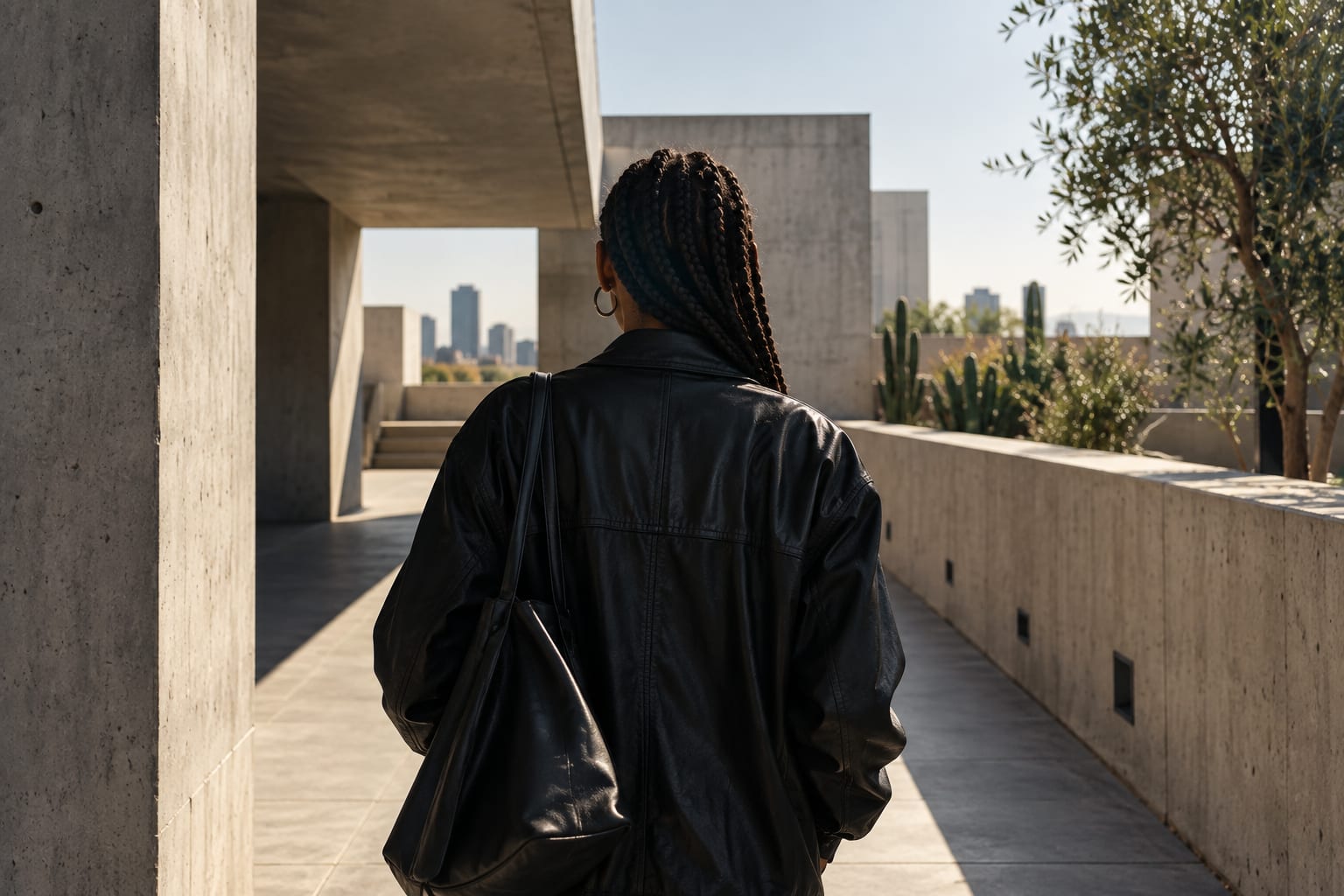
Contrast with
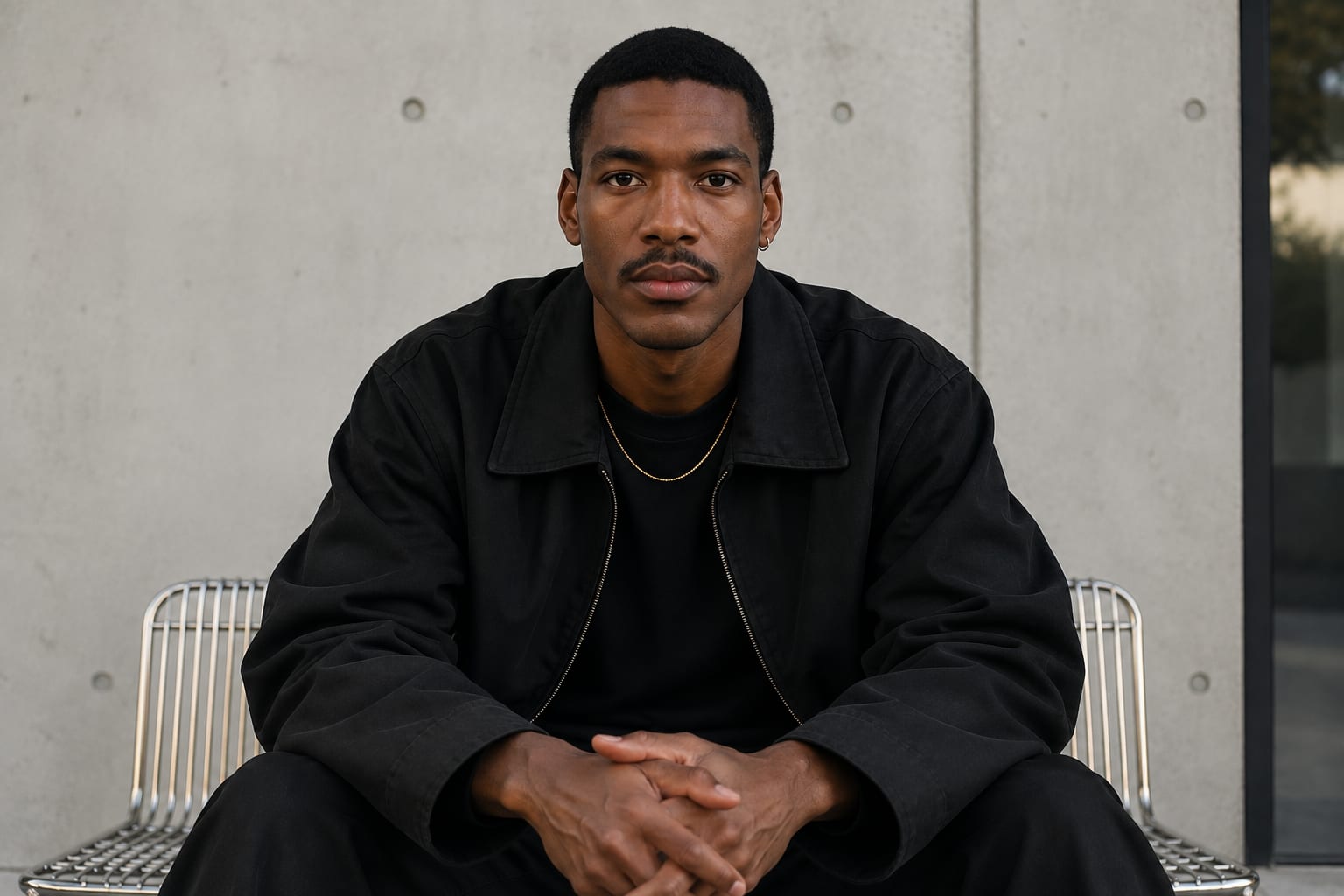
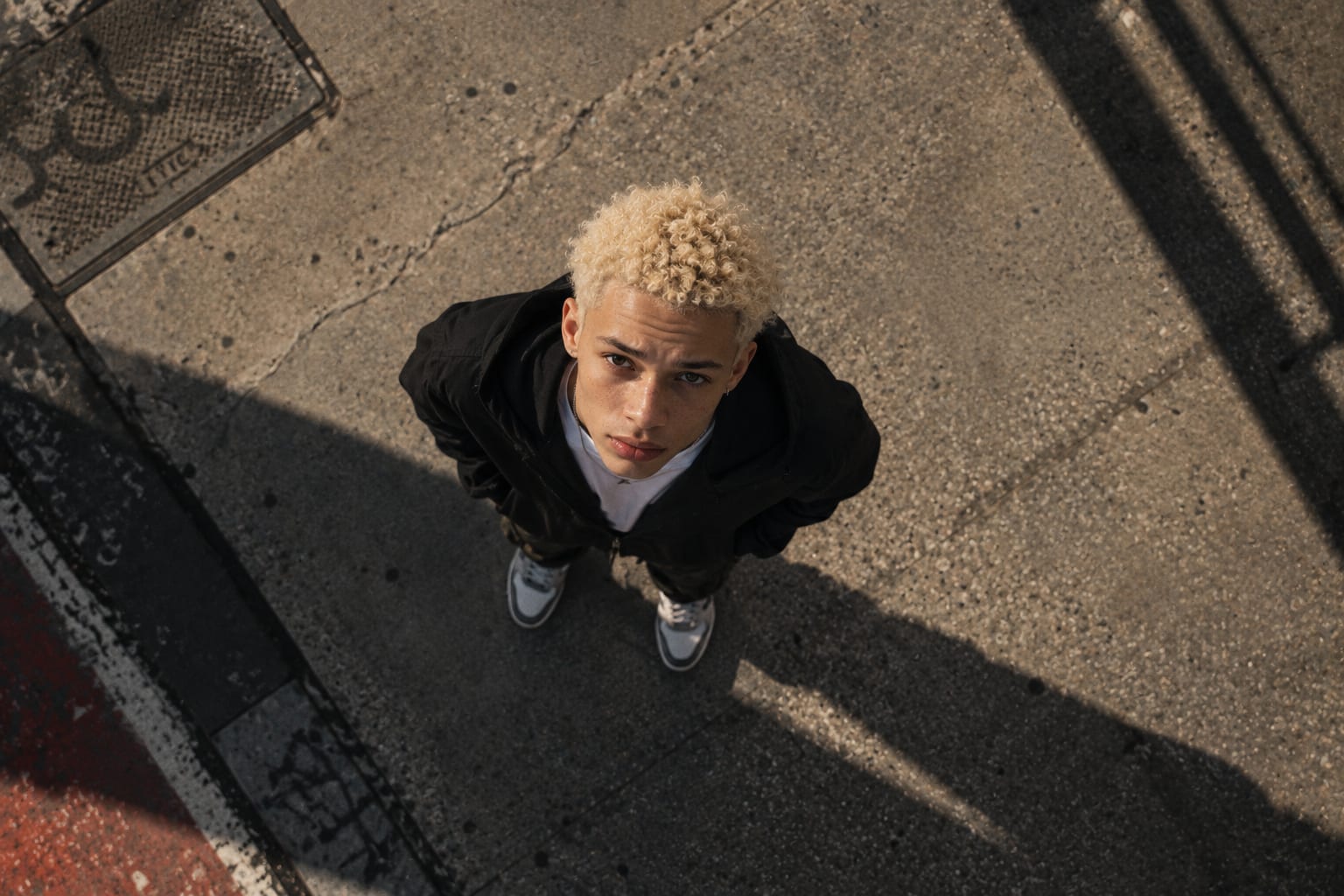
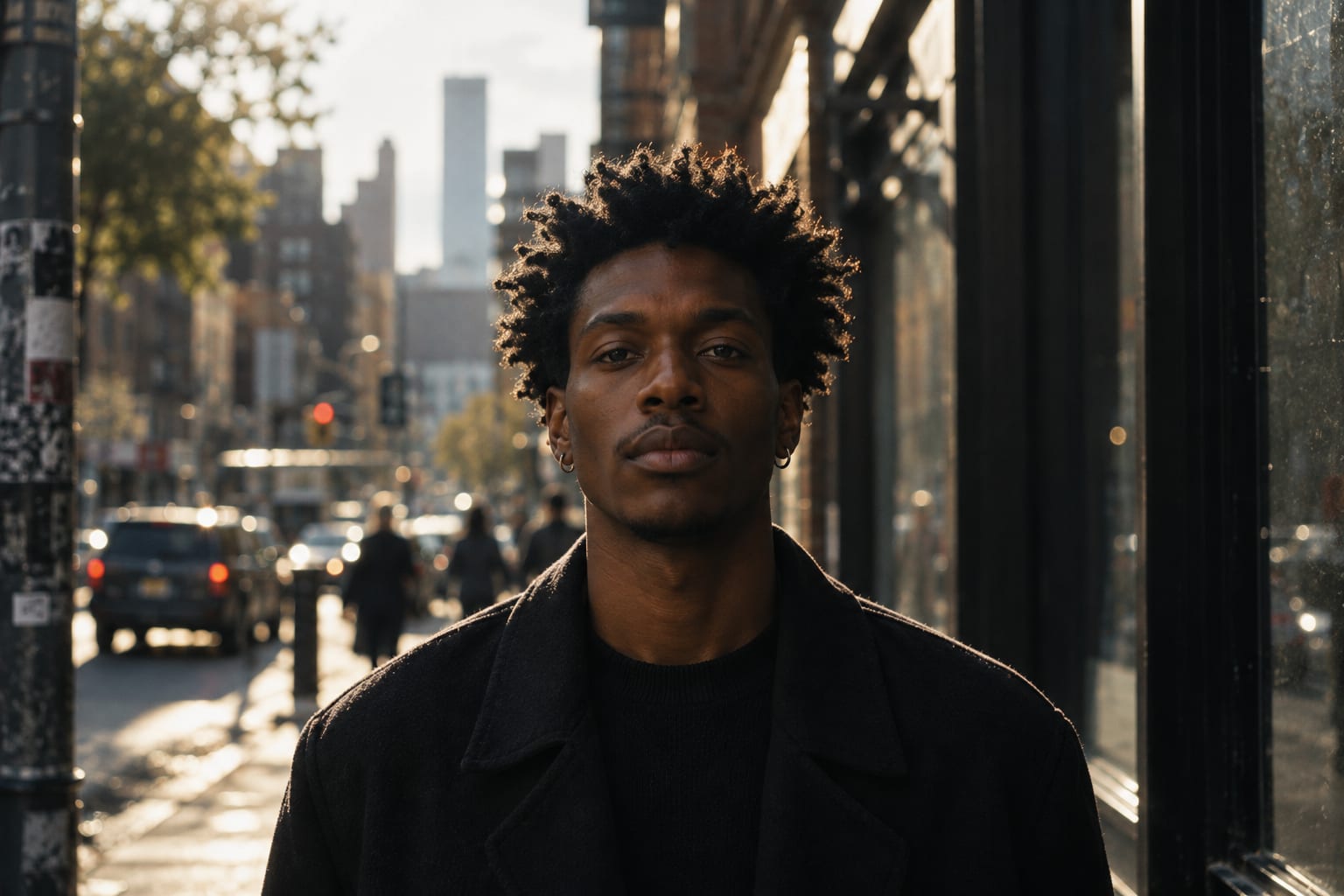
The opposite decisions. If this view is wrong for the picture, one of these is usually right.
In the knowledge graph
Questions
What is the difference between over shoulder and POV?
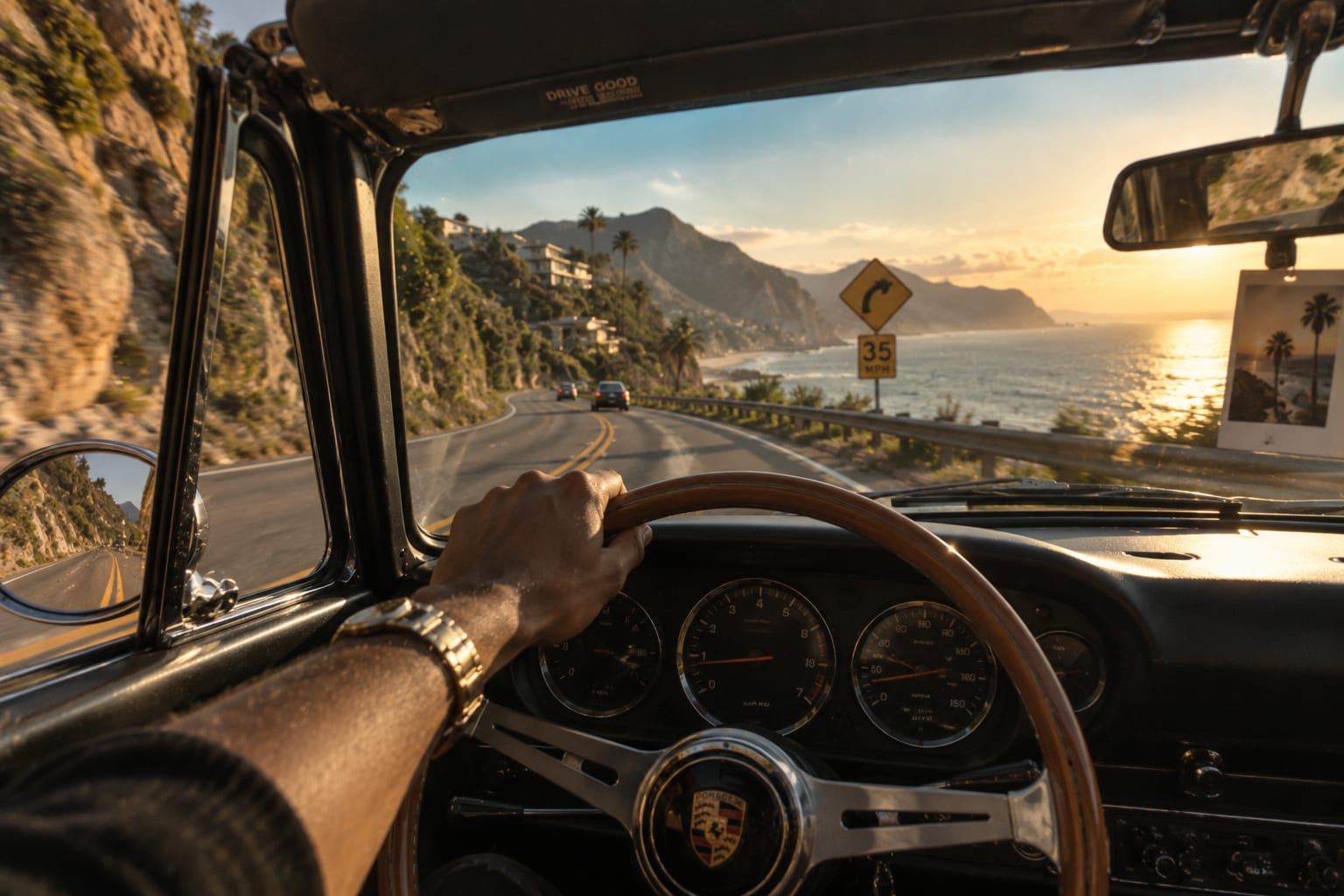
Over shoulder keeps a piece of the observer in the frame: their shoulder and head at one edge, so the viewer stands beside them. POV removes them entirely and puts the viewer in their eyes, often with their own hands entering the frame. One is companionship; the other is embodiment.
Which lens is best for an over-the-shoulder shot?
A short telephoto, roughly 70 to 105mm, from two to three metres. It keeps the shoulder a clean soft edge and compresses the far subject toward it with strong separation. Wide lenses enlarge the near head and shrink the subject.
How much of the shoulder should be in frame?
Enough to read as a person without stealing the picture: roughly a quarter to a third of one side, out of focus and darker than the subject. Less becomes a hint; more becomes an obstruction.