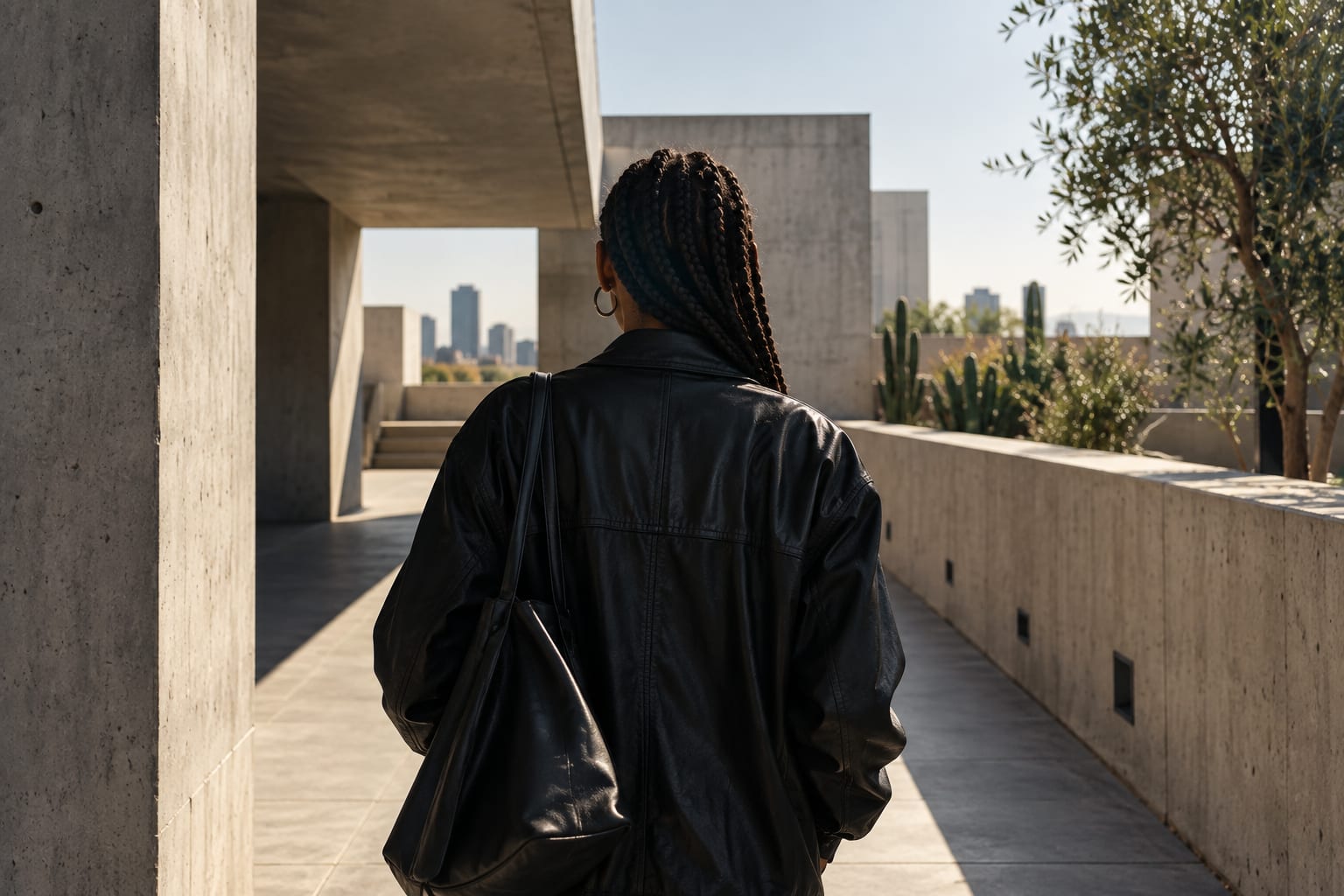
Rear view is the view of following. With the face withheld, the picture stops being about who and becomes about where: the road ahead, the room being entered, the view being taken in. It gives anonymity to a person, invitation to a landscape and a strange intimacy to both, because the viewer is walking behind someone into their world.
Try it
Move the strength and the camera moves. Change the lens and the field of view changes. Pick a subject and the direction is written for it.
0% · Rear three-quarter. Subject turned about 135 degrees; the back and one side visible, a hint of cheek.
35% · Mostly from behind. Subject turned about 160 degrees; the back dominant, the face fully hidden, one shoulder slightly nearer.
70% · Directly behind. Camera directly behind the subject, their back square to the lens, the scene ahead framed by their shoulders.
100% · Following close. Camera close behind and slightly below the shoulders, the back filling much of the frame, the scene ahead seen past the head.
The physical relationship between lens and subject, before any lens or light is chosen.
- Height
- Usually eye level or slightly above the subject's shoulders.
- Vertical angle
- Level, or slightly down to include the ground the subject walks on.
- Horizontal angle
- Directly behind, or rear three-quarter with a little of one side.
- Relationship
- Follower. The viewer is behind the subject, facing the same way.
- Distance
- Close behind is intimate and immersive; far behind turns the subject into a figure in the landscape.
Perspective, depth, scale and distortion: what changes in the picture when the camera is here.
- Perspective
- The subject's back is a near plane and the scene beyond recedes from it.
- Depth
- Strong. The back is a repoussoir, a foreground mass that pushes the scene into depth.
- Scale
- The subject gives scale to the scene beyond; the viewer measures the world against their back.
- Distortion
- Wide lenses close behind enlarge the shoulders and head; normal lenses keep the back a clean shape.
- Spatial feeling
- Invitational. The viewer is being led somewhere.
What it tends to communicate
Tendencies, not laws. What the geometry usually reads as, and where that reading breaks.
A figure walking away reads as departure or loneliness; a figure standing and looking reads as contemplation and invitation; a figure close behind whom the camera follows reads as pursuit. The subject's posture and the distance decide.
Use it for
- Travel and hospitality: the guest entering the view
- Anonymous or stand-in subjects
- Garments designed from the back: coats, dresses with trains, backpacks
- Hair
- Cars, in the rear three-quarter
- Editorial that wants withheld identity
Less suited to
- Portraits that need a face
- Product with a front face
- Anything where expression carries the story
It says
The same camera position asks for different things from a face, a shoe, a facade and a car.
Posture, hair, the set of the shoulders and where they are going. Anonymity is the gift: the subject becomes anyone.
Prompt phrasing
figure photographed from behind, back to the camera, face hidden, looking out at the scene ahead
The decisions that sit on top of the camera position and change what it produces.
How the lens changes it
Recommended: Normal, Wide. Rear view needs the scene ahead; tight rear framing is a study of hair, collar or back seams.
- Ultra-wide · 14 to 20mm
- Close behind, the head and shoulders balloon and the scene becomes tiny.
- Wide · 24 to 35mm
- Figure and view in one frame with the view still large. The travel and hospitality default.
- Normal · 40 to 60mm
- A cleaner back and a more focused view beyond.
- Telephoto · 85 to 200mm
- Compresses the figure onto the distant view; the figure reads as part of the scene rather than as a doorway into it.
Composition
Which compositions this camera position rewards, and why the pairing works.
- Subject placement
- Centred for a formal, symmetric walk into the scene; offset on a third with the view filling the rest.
- Horizon
- Level, at the subject's head or shoulders, with the view above and the ground below.
- Foreground
- The back is the foreground and frames the scene.
- Background
- The background is the point: the view the subject is looking at or walking into.
- Negative space
- The scene ahead. Space in front of the subject reads as destination.
- Geometry
- A figure as a keyhole into depth; often one-point perspective down a road or corridor.
Light
- Backlight from the scene ahead silhouettes the figure and lights the destination: the invitation reading.
- Light from the camera side lights the back and flattens the scene.
- Rim light along the shoulders separates the figure from a bright view.
Motion
The following steadicam behind a walking figure is a genre in itself, from Dardenne to fashion film.
A view is where the camera is. A movement is where it goes. They combine.
Read from the shot lists in each style's photo brief, not assigned by hand. A style is here because its own brief asks for this camera.

The failures that make this camera position read as an accident rather than a decision.
- A figure that blocks the view they are supposed to be looking at.
- The tourist cliché: a figure in a hat on a cliff, arms out. It works because it works, but it is worn.
- Awkward postures, which read louder when the face is not there to distract.
- Rear views of a subject who needed to be recognised.
Negative guidance for a model
Prompt language
Geometry, not labels. Models read camera words inconsistently; they read positions the same way every time.
Nearby views

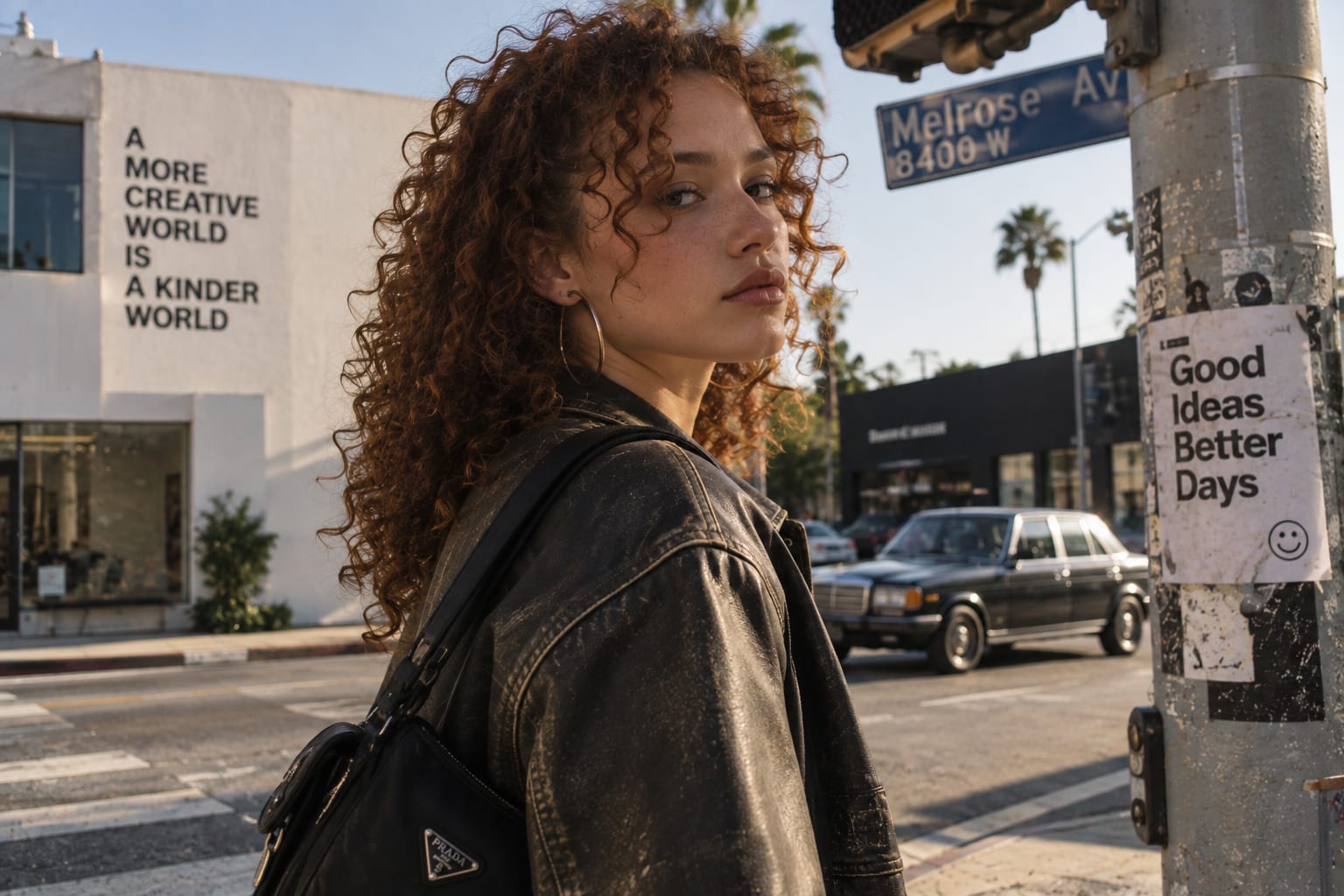
Contrast with
The opposite decisions. If this view is wrong for the picture, one of these is usually right.
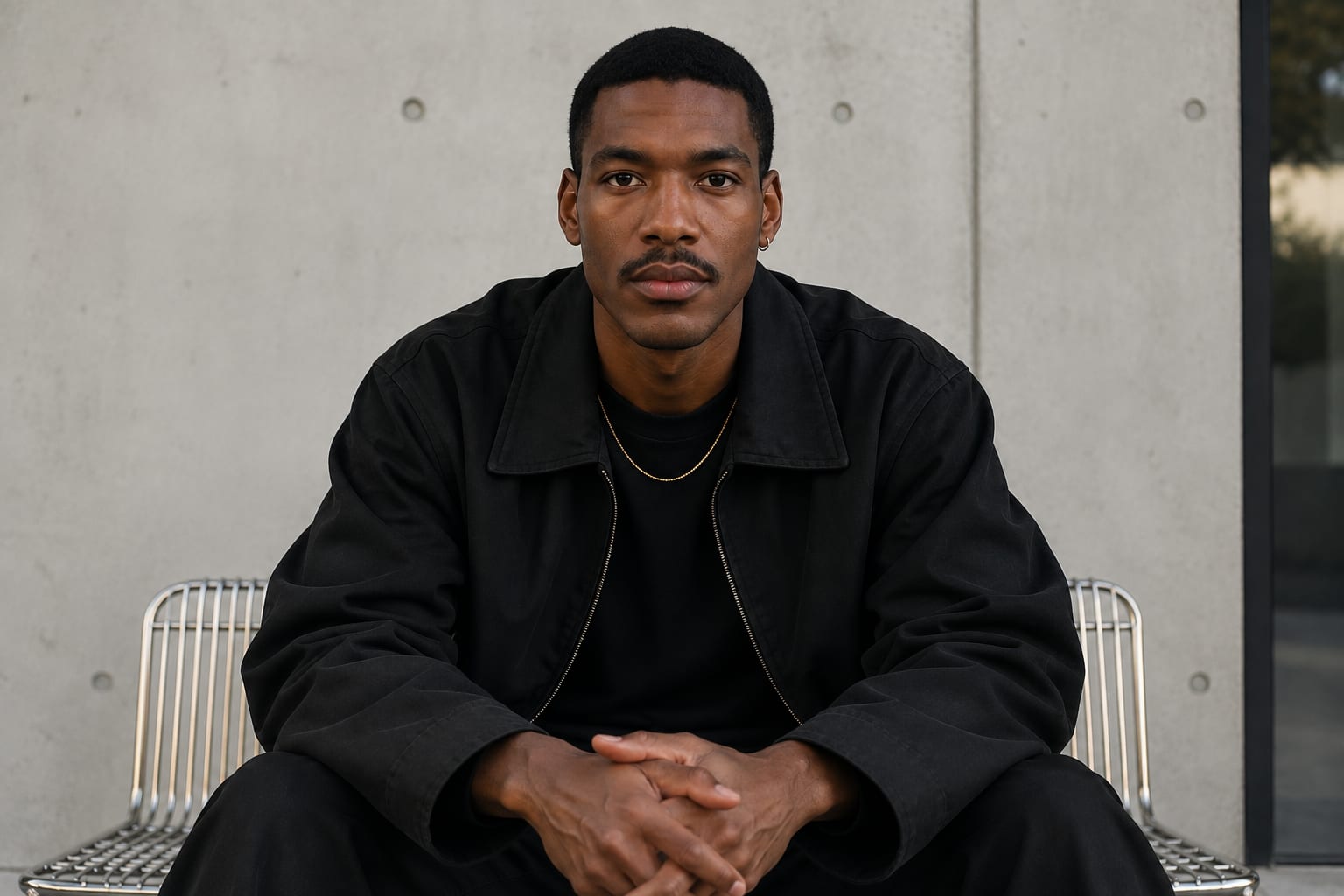
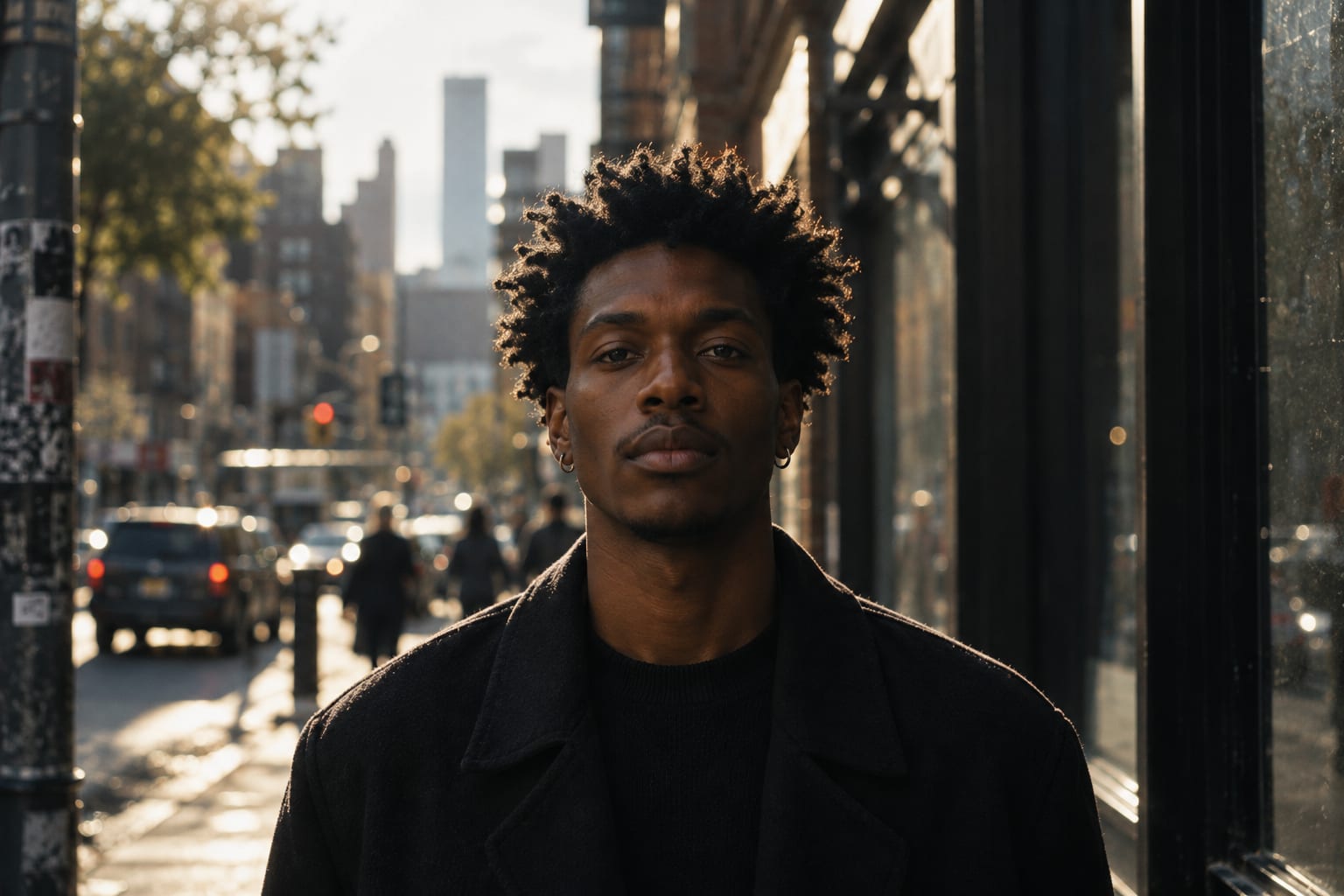
In the knowledge graph
Questions
Why photograph someone from behind?
To make the picture about where rather than who. With the face withheld, the viewer takes the figure's place and looks at what they are looking at. It gives anonymity to the subject, scale to the scene and a sense of being led in.
What is the difference between a rear view and an over-shoulder shot?
Rear view puts the whole subject in the frame from behind, back square to the lens, and the viewer follows them. Over shoulder puts only the shoulder and head at one edge and looks past them at a specific subject. One follows; the other looks past.
How do I keep a rear view from blocking the scene?
Keep the figure's head below the horizon or the key element of the view, put them on a third rather than dead centre unless the scene is symmetric, and use a wide or normal lens so the view stays large around them.