
This entry is a shot size, not a camera angle, and it lives in the view library because Image Studio has always offered it there. It earns its place anyway: the decision to come close is a camera decision, and it changes the picture as completely as any angle. A detail shot stops describing an object and starts describing a material, and it asks the viewer to trust that the rest exists.
Try it
Move the strength and the camera moves. Change the lens and the field of view changes. Pick a subject and the direction is written for it.
0% · Close. Camera close enough that a part of the subject fills the frame, the whole still identifiable.
40% · Detail. Camera at a detail's scale, a single feature filling the frame, the rest soft or out of frame.
70% · Tight detail. Camera very close with a macro or short telephoto, one texture or seam filling the frame, depth of field paper-thin.
100% · Abstract macro. Camera at macro distance, the surface filling the frame beyond recognition, only material and light remaining.
The physical relationship between lens and subject, before any lens or light is chosen.
- Height
- Any. The detail decides.
- Vertical angle
- Any; details are often shot at an oblique angle so the surface catches light.
- Horizontal angle
- Any.
- Relationship
- Intimate. Closer than a person would normally look.
- Distance
- Everything. This view is defined by distance: from a few centimetres to a metre, depending on the lens.
Perspective, depth, scale and distortion: what changes in the picture when the camera is here.
- Perspective
- Almost none; the subject is a surface or a fragment.
- Depth
- Very shallow. Focus falls off within millimetres, so the picture is a sliver of sharpness in a wash.
- Scale
- Lost. A seam can look like a landscape; a texture can be anything.
- Distortion
- Wide lenses at close range distort heavily; macro and telephoto keep the fragment true.
- Spatial feeling
- Tactile. The viewer feels the material rather than seeing the object.
What it tends to communicate
Tendencies, not laws. What the geometry usually reads as, and where that reading breaks.
Intimacy and abstraction are the same reading at different distances. A hand-stitched seam reads as craft; the same seam three times closer reads as pattern; a face that close reads as pores.
Use it for
- Craft, stitching, joinery and finishes
- Beauty: skin, lips, lashes, hair
- Jewellery and watches
- Fabric and material libraries
- Food texture
- Inserts and cutaways in a sequence
Less suited to
- Establishing anything
- Showing a whole product or outfit
- Context and scale
- Faces that need to be read as faces
It says
The same camera position asks for different things from a face, a shoe, a facade and a car.
Eyes, lips, hands, hair, skin. Beauty photography lives here; so does every tender picture of a hand.
Prompt phrasing
beauty close-up detail of the eyes, lips or hands, skin texture visible, shallow focus
The decisions that sit on top of the camera position and change what it produces.
How the lens changes it
Recommended: Macro, Telephoto. This entry is framing. It sits in the view list for compatibility with Image Studio, and its angle is whatever the detail needs.
- Ultra-wide · 14 to 20mm
- Close-focused ultra-wides distort heavily and put the lens in the light. Avoid.
- Wide · 24 to 35mm
- Close-focus wide lenses give a strange, expanded detail with exaggerated depth. A deliberate effect only.
- Normal · 40 to 60mm
- Close-focusing normal lenses reach a modest detail scale without distortion.
- Telephoto · 85 to 200mm
- A short telephoto or a true macro is the standard: the detail true to shape, the depth of field paper-thin.
Composition
Which compositions this camera position rewards, and why the pairing works.
- Subject placement
- The detail on a third with the wash of out-of-focus material around it; or dead centre for a specimen.
- Horizon
- None.
- Foreground
- Blur in front of the focus plane is a device: it makes the frame feel entered rather than looked at.
- Background
- Blur behind. Colour and tone only.
- Negative space
- Out-of-focus material. The blur is the negative space.
- Geometry
- Fragments and edges. Lines run off the frame; nothing is whole.
Light
- Raking side light reveals texture; frontal light hides it.
- A large soft source close to a small subject wraps it and keeps specular highlights clean.
- Backlight through translucent materials, fabric, glass, food, is a detail-shot staple.
Motion
A slow macro truck along a seam or a surface is the standard insert in product and fashion film.
A view is where the camera is. A movement is where it goes. They combine.
Read from the shot lists in each style's photo brief, not assigned by hand. A style is here because its own brief asks for this camera.
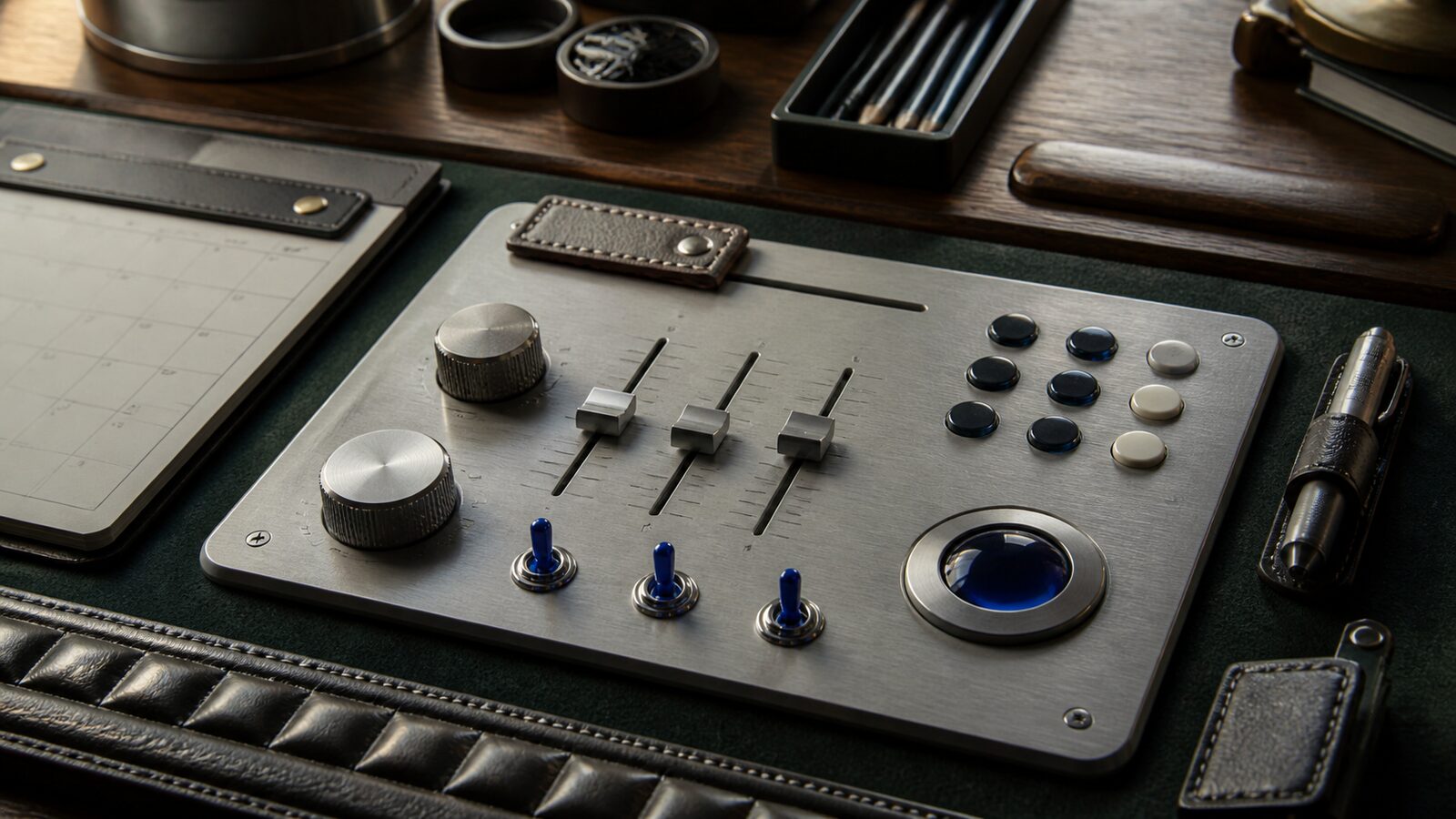

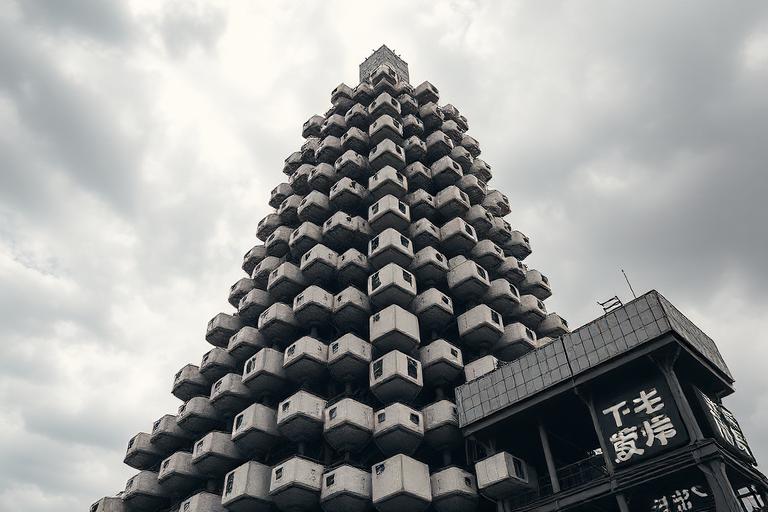
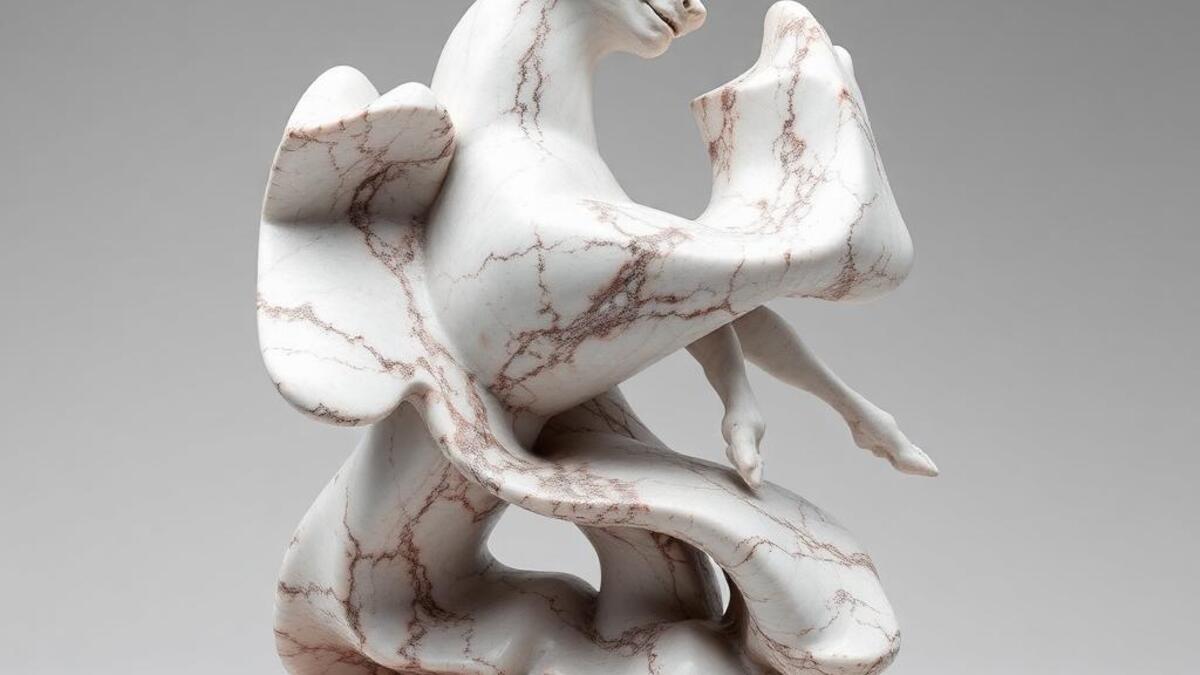
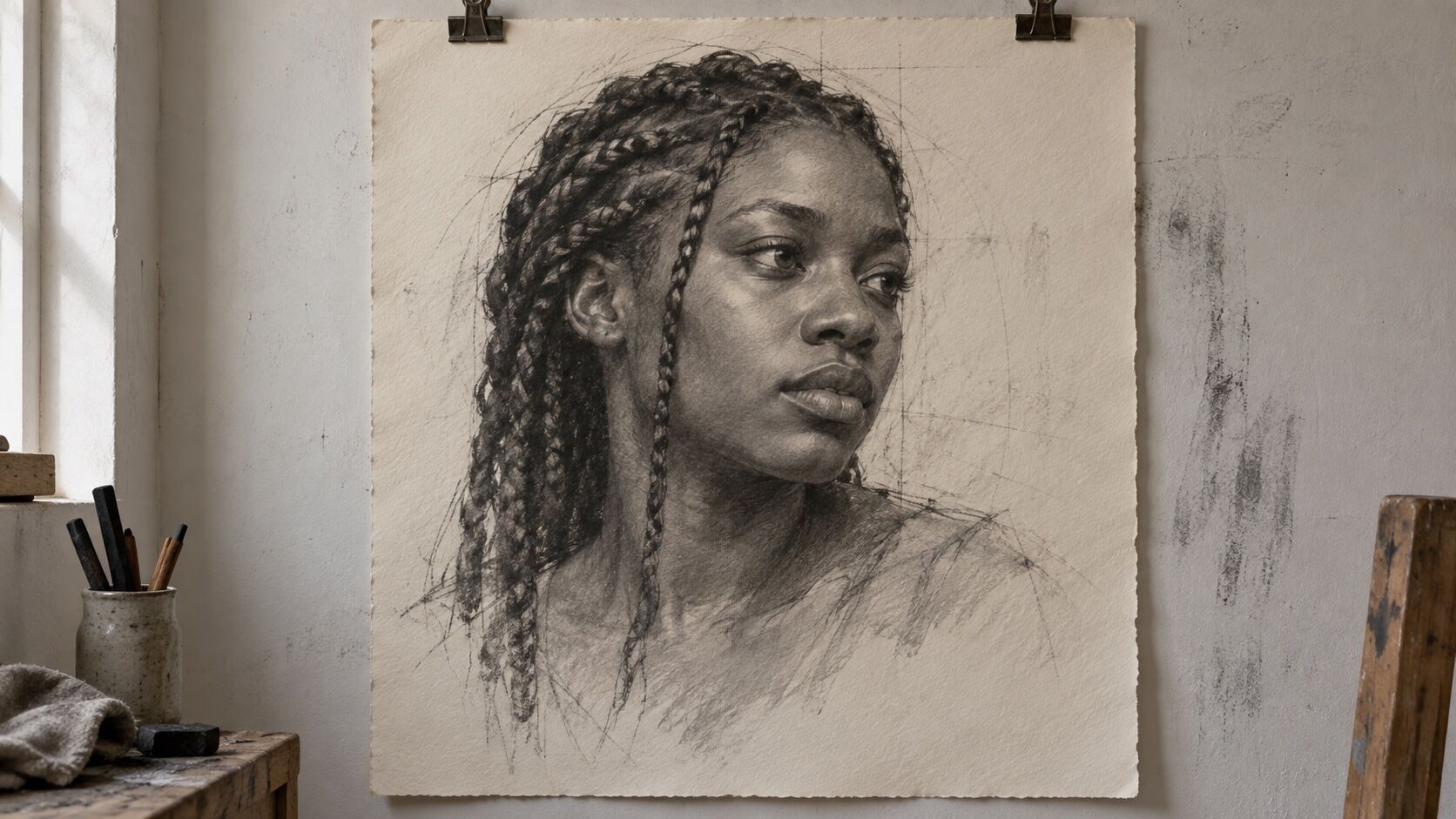
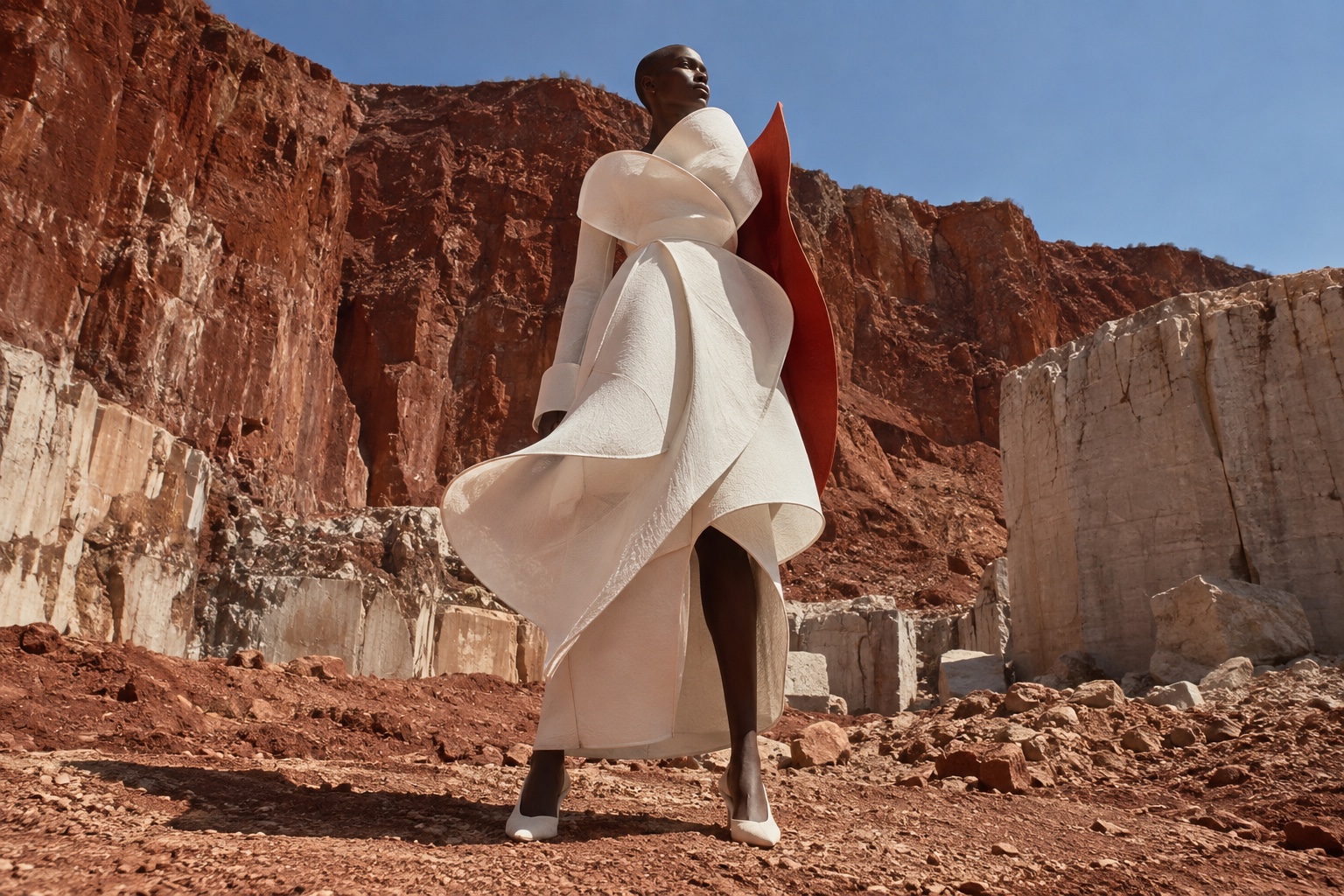
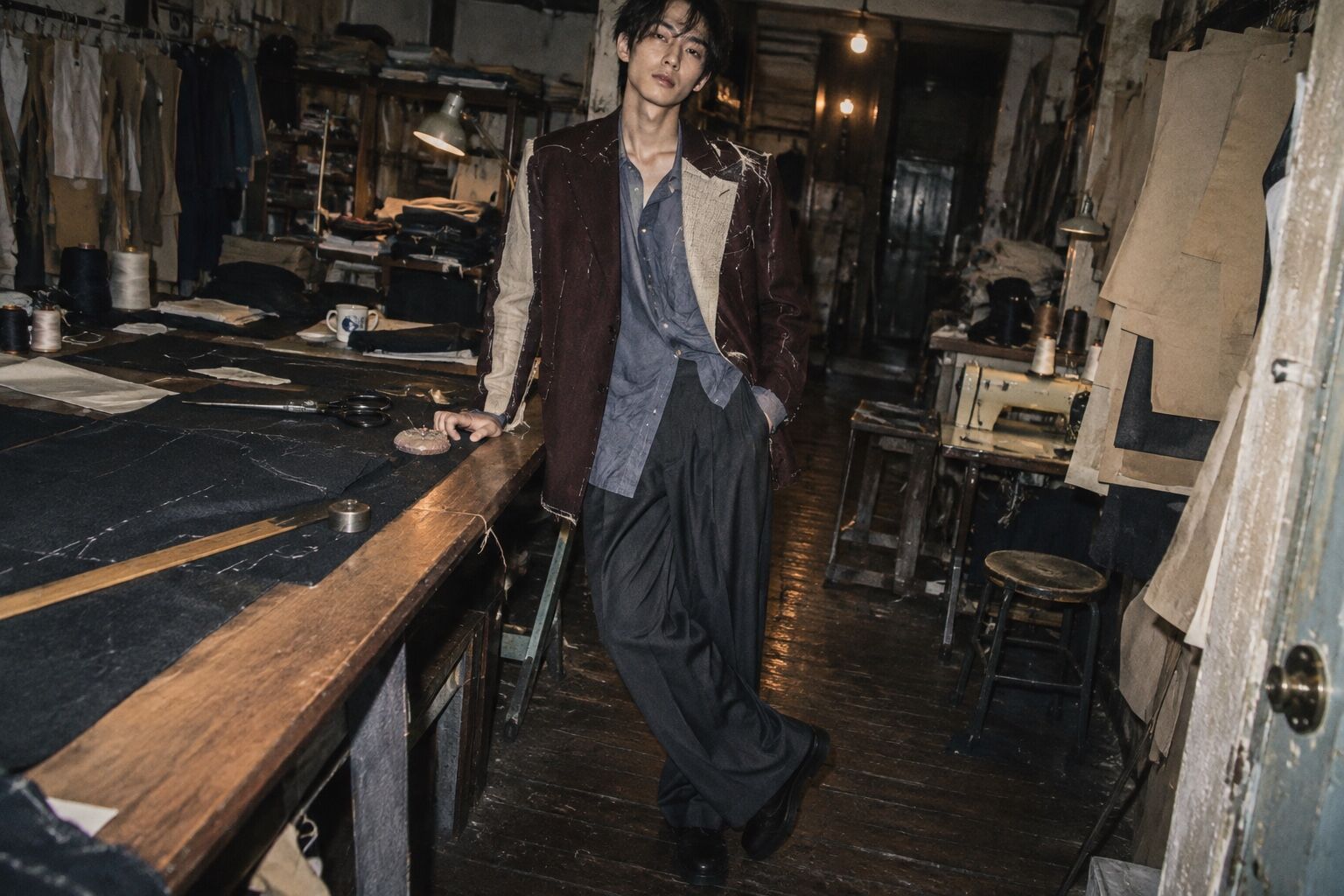
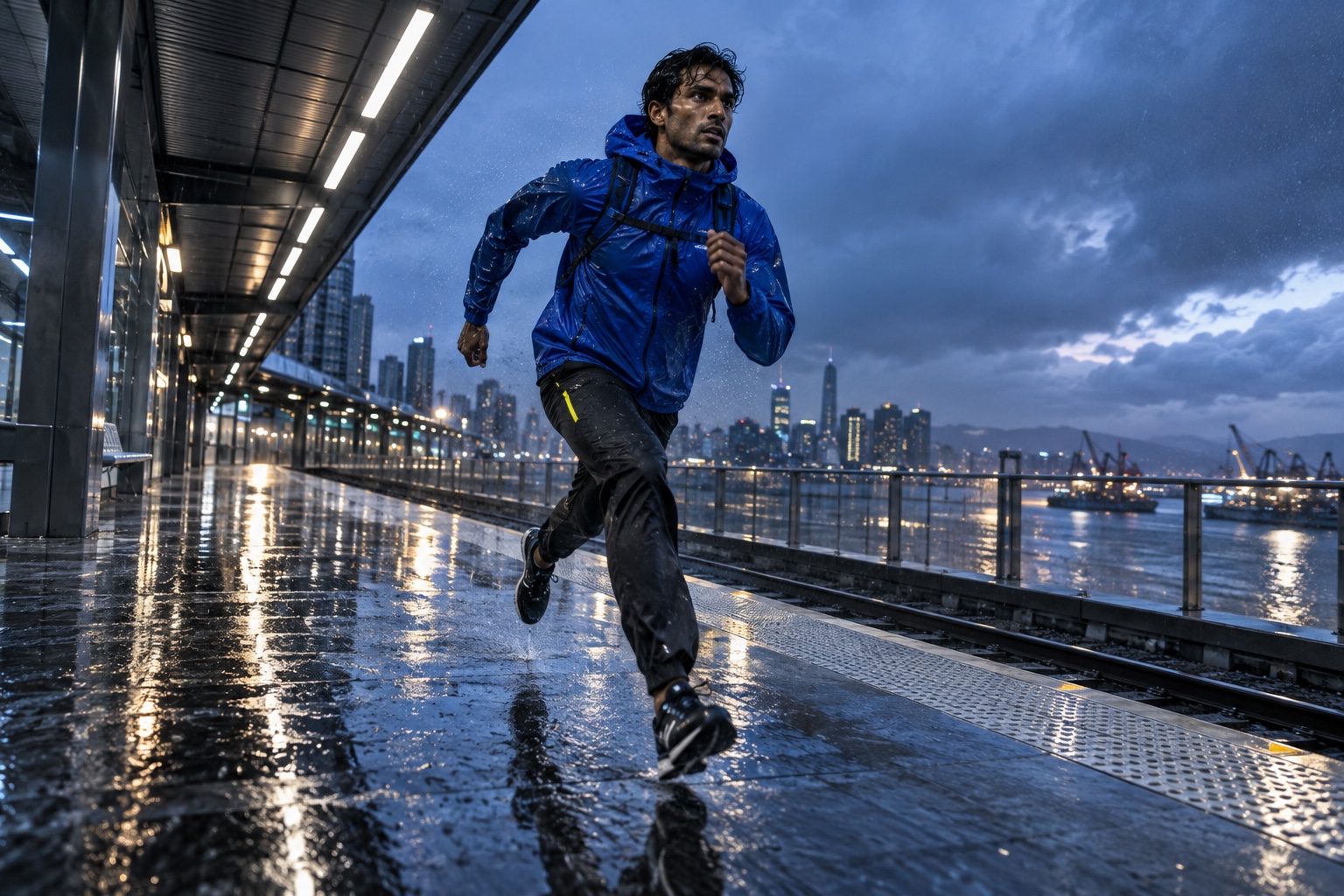
The failures that make this camera position read as an accident rather than a decision.
- Focus in the wrong place, which at this distance is the whole picture.
- A detail that does not reward the closeness: a plain surface shot close is just blur.
- Wide lenses at close range, which distort and shadow the subject.
- Confusing this with a camera angle. The angle is still a decision to make on top of the distance.
Negative guidance for a model
Prompt language
Geometry, not labels. Models read camera words inconsistently; they read positions the same way every time.
Nearby views


Contrast with
The opposite decisions. If this view is wrong for the picture, one of these is usually right.
In the knowledge graph
Questions
Is close-up detail a camera angle?
No. It is a shot size, which is how much of the subject the frame includes, and the camera can be at any angle while it is close. It lives in the view library because Image Studio has always offered it there, and because coming close is a camera decision with effects as strong as any angle.
What lens is best for detail shots?
A macro lens, or a short telephoto that focuses close. Both keep the fragment true to shape. Wide lenses at close range distort and put the camera in the light. Depth of field at this distance is millimetres, so decide exactly what should be sharp.
What makes a detail shot feel luxurious?
Raking light that reveals texture, a single point of sharp focus, and a detail worth the closeness: real stitching, real grain, real finish. The shot works by proving that the object rewards inspection.